1. Specifications Comparison
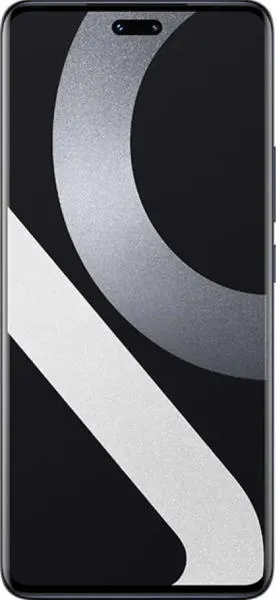
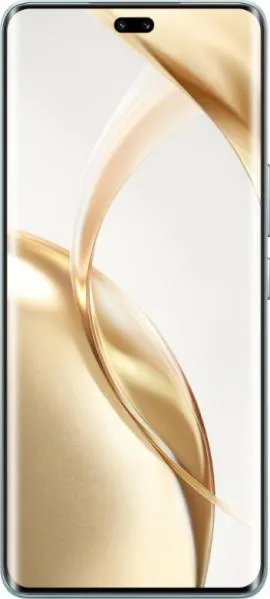
| Feature | Xiaomi 13 Lite | Honor 200 Pro | Practical Impact |
|---|---|---|---|
| Design | |||
| Dimensions (mm) | 159.2 x 72.7 x 7.2 | 163.3 x 75.2 x 8.2 | Honor 200 Pro is slightly larger and thicker. |
| Weight (g) | 171 | 199 | Xiaomi 13 Lite is noticeably lighter, more comfortable for one-handed use. |
| Display | |||
| Size (inches) | 6.55 | 6.78 | Honor 200 Pro offers a larger screen for media consumption. |
| Resolution (px) | 1080 x 2400 | 1224 x 2700 | Honor 200 Pro has a slightly sharper display, but the difference might not be noticeable in everyday use. |
| Type | AMOLED | OLED | Both offer excellent color and contrast. |
| Refresh Rate (Hz) | 120 | 120 | Both provide smooth scrolling and animations. |
| Peak Brightness (nits) | 1000 | 4000 | Honor 200 Pro offers significantly higher peak brightness, crucial for outdoor visibility. |
| Color Depth | 68B | 1B | Honor 200 Pro supports a wider color gamut, resulting in more accurate and vibrant colors. |
| Performance | |||
| Chipset | Snapdragon 7 Gen 1 | Snapdragon 8s Gen 3 | Honor 200 Pro has a significantly more powerful processor, leading to faster performance in demanding tasks and gaming. |
| CPU | Octa-core (1x2.4 GHz Cortex-A710 & 3x2.36 GHz Cortex-A710 & 4x1.8 GHz Cortex-A510) | Octa-core (1x3.0 GHz Cortex-X4 & 4x2.8 GHz Cortex-A720 & 3x2.0 GHz Cortex-A520) | Honor's CPU configuration offers a higher clock speed and more powerful cores, translating to superior performance. |
| GPU | Adreno 644 | Adreno 735 | Honor 200 Pro's GPU is considerably more powerful, resulting in smoother gaming and faster graphics rendering. |
| RAM (GB) | 8 | 12 | Honor 200 Pro offers more RAM for multitasking and demanding applications. |
| Camera | |||
| Main Camera (MP) | 50 (Sony IMX766) | 50 (Omnivision OVH9000) | Both have high-resolution sensors. The practical difference in image quality would depend on image processing. |
| Ultrawide (MP) | 8 | 12 | Honor offers a higher resolution ultrawide lens. |
| Telephoto (MP) | N/A | 50 (Sony IMX856) | Honor 200 Pro features a dedicated telephoto lens for optical zoom, absent in the Xiaomi. |
| Video | Up to 4K@30fps, 720p@960fps | Up to 4K@30fps with OIS/EIS | Honor offers OIS and EIS for more stable video recording. |
| Battery | |||
| Capacity (mAh) | 4500 | 5200 | Honor 200 Pro boasts a larger battery, likely resulting in longer battery life. |
| Fast Charging (W) | 67 | 100 | Honor 200 Pro supports significantly faster charging. |
2. Key Differences Analysis
Xiaomi 13 Lite Advantages:
- Lighter and more compact: Easier to handle and carry.
- Potentially More Affordable: While prices can vary, the Xiaomi generally falls in a lower price bracket.
Honor 200 Pro Advantages:
- Significantly more powerful: Superior performance for demanding tasks and gaming due to a more advanced chipset and higher RAM.
- Brighter and more color-rich display: Better outdoor visibility and media consumption experience.
- Larger battery with faster charging: Longer usage time and quicker charging.
- More versatile camera system: Inclusion of a telephoto lens and OIS/EIS for video recording.
Trade-offs:
- Honor 200 Pro's larger size and weight: Might be less comfortable for one-handed use.
- Xiaomi 13 Lite's less powerful processor: May struggle with demanding games or heavy multitasking.
3. User Profiles & Recommendations
Xiaomi 13 Lite:
- Ideal User: Budget-conscious users prioritizing a lightweight and compact phone for everyday tasks like social media, browsing, and casual photography.
- Use Cases: Everyday communication, web browsing, social media, light gaming.
Honor 200 Pro:
- Ideal User: Users who prioritize performance, a premium display, long battery life, and a versatile camera system. Power users, mobile gamers, and photography enthusiasts.
- Use Cases: Demanding gaming, content creation, media consumption, photography and videography.
4. Decision Framework
Key Questions for Buyers:
- What is your budget? The Honor 200 Pro is likely more expensive.
- What are your primary use cases? Casual use vs. demanding tasks/gaming/photography.
- Do you prioritize portability or a larger screen and battery?
Scenario-Based Recommendations:
- Limited Budget, Casual Use: Xiaomi 13 Lite.
- Power User, Gamer, Photographer: Honor 200 Pro.
My Choice: Honor 200 Pro
While the Xiaomi 13 Lite offers a compelling lightweight design, the Honor 200 Pro's superior performance, brighter display, larger battery with faster charging, and more versatile camera system make it the better overall device for my needs. I prioritize a smooth and responsive user experience, a great display for media consumption, and all-day battery life. The added benefit of a telephoto lens and video stabilization further solidifies the Honor 200 Pro as the more compelling choice, despite the larger size and likely higher price. The significant jump in processing power (Snapdragon 7 Gen 1 vs 8s Gen 3) is a crucial factor, ensuring future-proofing and a lag-free experience for years to come.
