1. Specifications Comparison
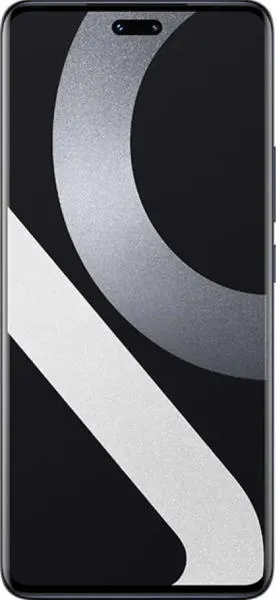
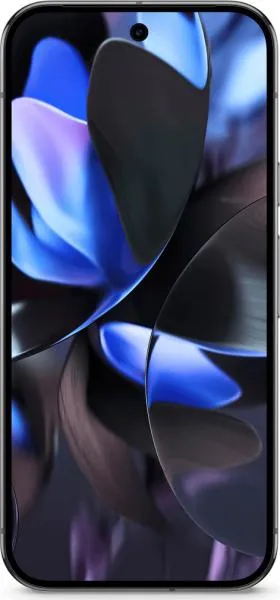
| Feature | Xiaomi 13 Lite | Google Pixel 9 Pro XL | Practical Impact |
|---|---|---|---|
| Design | |||
| Dimensions (mm) | 159.2 x 72.7 x 7.2 | 162.8 x 76.6 x 8.5 | Pixel 9 Pro XL is larger and thicker. |
| Weight (g) | 171 | 221 | Xiaomi 13 Lite is significantly lighter, more comfortable for one-handed use. |
| Display | |||
| Size (inches) | 6.55 | 6.8 | Pixel has a larger screen for more immersive content consumption. |
| Resolution | 1080 x 2400 | 1344 x 2992 | Pixel has a sharper display (higher pixel density - 486 vs 402 ppi). |
| Type | AMOLED | LTPO OLED | Both offer vibrant colors and deep blacks. Pixel's LTPO allows for variable refresh rate, potentially saving battery. |
| Refresh Rate (Hz) | 120 | 120 | Both offer smooth scrolling and animations. |
| Peak Brightness (nits) | 1000 | 3000 | Pixel's significantly higher peak brightness ensures better visibility in direct sunlight. |
| Performance | |||
| Chipset | Snapdragon 7 Gen 1 | Google Tensor G4 | Tensor G4 is expected to be more powerful, especially in AI tasks. |
| CPU | Octa-core (1x2.4 GHz A710 & 3x2.36 GHz A710 & 4x1.8 GHz A510) | Octa-core (1x3.1 GHz X4 & 3x2.6 GHz A720 & 4x1.92 GHz A520) | Pixel 9 Pro XL boasts a more powerful CPU architecture, leading to faster processing and multitasking. |
| RAM (GB) | 8 | 16 | Pixel has double the RAM, enabling smoother multitasking and better performance with demanding apps. |
| Camera | |||
| Rear Camera | 50MP (wide) + 8MP (ultrawide) + 2MP (macro) | 50MP (wide) + 48MP (ultrawide/macro) + 48MP (telephoto) | Pixel offers a more versatile camera system with a dedicated telephoto lens and higher resolution ultrawide. |
| Video Recording | Up to 4K@30fps | Up to 8K@30fps | Pixel supports higher resolution video recording. |
| Battery | |||
| Capacity (mAh) | 4500 | 5060 | Pixel has a larger battery capacity, likely resulting in longer battery life. |
| Fast Charging | 67W | 37W | Xiaomi charges significantly faster. Pixel has slower wired charging but supports wireless charging. |
2. Key Differences Analysis
Xiaomi 13 Lite Advantages:
- Lighter and More Compact: Easier to handle and carry.
- Faster Charging: Significantly reduces downtime.
- Lower Price: Offers good value for its features.
Google Pixel 9 Pro XL Advantages:
- More Powerful: Superior performance for demanding tasks and future-proofing.
- Better Display: Sharper, brighter, and more power-efficient.
- More Versatile Camera System: Telephoto lens and high-resolution ultrawide sensor provide greater flexibility.
- Larger Battery: Potentially longer battery life.
- Software Updates: Guaranteed longer software support and timely updates directly from Google.
3. User Profiles & Recommendations
Xiaomi 13 Lite:
- Budget-conscious users: Prioritize value for money.
- Users who prefer a compact and lightweight phone: Value one-handed usability and portability.
- Casual users: Primarily use their phone for social media, browsing, and light gaming.
Google Pixel 9 Pro XL:
- Power users: Demand top-tier performance for gaming, multitasking, and demanding applications.
- Photography enthusiasts: Prioritize camera quality and versatility.
- Users who consume a lot of media: Benefit from the larger, brighter, and sharper display.
- Users who value software updates and security: Google's commitment to long-term software support is a key advantage.
4. Decision Framework
Key Questions for Buyers:
- What is your budget? The Pixel 9 Pro XL is significantly more expensive.
- What are your primary phone usage patterns? Casual users might find the Xiaomi 13 Lite sufficient, while power users will appreciate the Pixel's performance.
- Which features are most important to you? Prioritize camera, battery life, performance, display, or software updates.
My Choice: Google Pixel 9 Pro XL
While the Xiaomi 13 Lite offers excellent value, the Google Pixel 9 Pro XL is the better overall phone for my needs. I prioritize performance, camera quality, a great display, and long-term software support, all areas where the Pixel excels. The larger battery and superior camera system outweigh the downsides of higher price and larger size for me. The promise of consistent software updates and the power of the Tensor G4 chip for AI tasks are significant advantages that contribute to a better long-term user experience. While the faster charging of the Xiaomi is tempting, I value the overall package offered by the Pixel more.
