1. Specifications Comparison
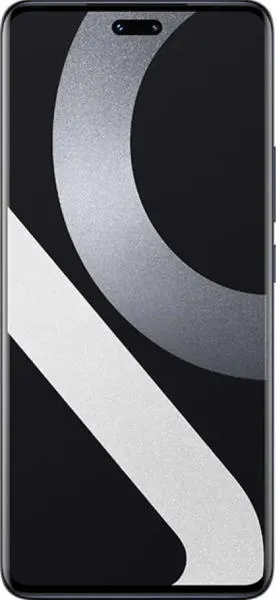
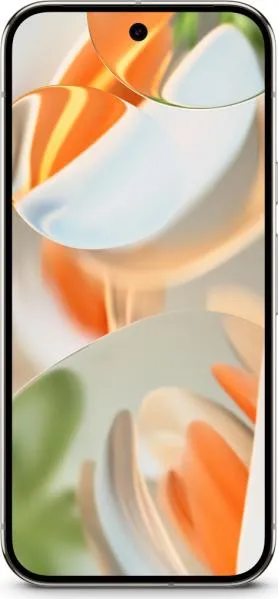
| Feature | Xiaomi 13 Lite | Google Pixel 9 Pro | Practical Impact |
|---|---|---|---|
| Design | |||
| Dimensions (mm) | 159.2 x 72.7 x 7.2 | 152.8 x 72 x 8.5 | Pixel 9 Pro is slightly shorter and wider, but noticeably thicker. Xiaomi 13 Lite is significantly lighter. |
| Weight (g) | 171 | 199 | Xiaomi 13 Lite is more comfortable for extended use and one-handed operation. |
| Display | |||
| Display Type | AMOLED | LTPO OLED | Both offer vibrant colors and deep blacks. Pixel 9 Pro's LTPO allows for dynamic refresh rate adjustment, saving battery. |
| Size (inches) | 6.55 | 6.3 | Xiaomi 13 Lite offers a slightly larger screen for media consumption. |
| Resolution | 1080 x 2400 | 1280 x 2856 | Pixel 9 Pro has a sharper display with higher pixel density (495 vs 402 ppi). |
| Refresh Rate (Hz) | 120 | 120 | Both offer smooth scrolling and animations. |
| Peak Brightness (nits) | 1000 | 3000 | Pixel 9 Pro is significantly brighter, ensuring better visibility outdoors. |
| Performance | |||
| Chipset | Snapdragon 7 Gen 1 | Google Tensor G4 | Tensor G4, being a newer generation flagship chip, should offer superior performance, especially in AI tasks. |
| CPU | Octa-core (1x2.4 GHz A710 & 3x2.36 GHz A710 & 4x1.8 GHz A510) | Octa-core (1x3.1 GHz X4 & 3x2.6 GHz A720 & 4x1.92 GHz A520) | Pixel 9 Pro boasts a more powerful CPU architecture for demanding tasks and multitasking. |
| RAM (GB) | 8 | 16 | Pixel 9 Pro's doubled RAM allows for more apps to run in the background without performance slowdown. |
| Camera | |||
| Main Camera (MP) | 50 (Sony IMX766) | 50 (Samsung GNK) | Both utilize high-quality sensors. Specific image quality comparisons would require real-world testing. |
| Ultrawide (MP) | 8 | 48 | Pixel likely offers a superior ultrawide experience with higher resolution and potentially wider field of view. |
| Telephoto (MP) | N/A | 48 | Pixel 9 Pro offers optical zoom capabilities, absent in the Xiaomi. |
| Video | Up to 4K@30fps | Up to 8K@30fps | Pixel 9 Pro supports higher resolution video recording. |
| Battery | |||
| Capacity (mAh) | 4500 | 4700 | Pixel 9 Pro has a slightly larger battery. |
| Fast Charging (W) | 67 | 27 | Xiaomi 13 Lite charges significantly faster. Pixel supports faster wireless charging (21W), though wired charging is slower. |
2. Key Differences Analysis
Xiaomi 13 Lite Advantages:
- Lighter and Thinner: More comfortable for one-handed use and carrying.
- Faster Wired Charging: Significantly reduces charging time.
- Lower Price: Offers good value for its features.
Google Pixel 9 Pro Advantages:
- Significantly More Powerful: Tensor G4 chip provides superior performance, especially for AI and demanding tasks.
- Sharper Display: Higher resolution and pixel density for a more detailed viewing experience.
- More Versatile Camera System: Telephoto lens enables optical zoom, ultrawide has a much higher resolution.
- Brighter Display: Much better outdoor visibility.
- Longer Software Support: Expected to receive OS updates for a longer period.
Trade-offs:
- Pixel 9 Pro: Higher price for premium features. Slower wired charging. Heavier and thicker design.
- Xiaomi 13 Lite: Less powerful processor. Lower resolution display. Less versatile camera system.
3. User Profiles & Recommendations
Xiaomi 13 Lite:
- Ideal User: Budget-conscious users who prioritize a lightweight design, fast charging, and good overall performance for everyday tasks.
- Use Cases: Social media, web browsing, casual gaming, streaming video.
Google Pixel 9 Pro:
- Ideal User: Power users, photographers, and videographers who demand top-tier performance, a brilliant display, a versatile camera system, and the latest software features.
- Use Cases: Demanding gaming, professional photo/video editing, multitasking, utilizing AI-powered features.
4. Decision Framework
Key Questions:
- What is your budget? The Pixel 9 Pro is significantly more expensive.
- What are your primary smartphone usage patterns? Casual use vs. demanding tasks.
- Which features are most important to you? Camera quality, performance, battery life, software updates, design.
Scenario-Based Recommendations:
- Limited Budget, Casual User: Xiaomi 13 Lite
- Power User, Photographer: Google Pixel 9 Pro
- Balance of Performance and Value: Consider other options in the mid-range segment that might offer a better balance.
My Choice: Google Pixel 9 Pro
While the Xiaomi 13 Lite offers excellent value, the Pixel 9 Pro's superior performance, versatile camera system with telephoto lens, brighter display, and longer software support are compelling advantages for me. I prioritize a smooth user experience, future-proofing with software updates, and high-quality photography capabilities. The higher price is justified by these significant benefits in the long run. The faster wired charging of the Xiaomi is tempting, but the overall package of the Pixel 9 Pro aligns better with my needs and preferences.
