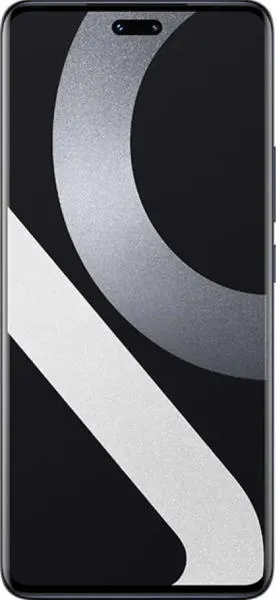
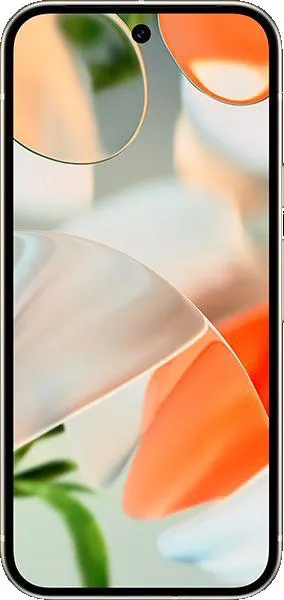
1. Specifications Comparison
| Feature | Xiaomi 13 Lite | Google Pixel 9 | Practical Impact |
|---|---|---|---|
| Design | |||
| Dimensions (mm) | 159.2 x 72.7 x 7.2 | 152.8 x 72 x 8.5 | Pixel 9 is slightly shorter and wider, but noticeably thicker. Xiaomi 13 Lite is lighter. |
| Weight (g) | 171 | 198 | Xiaomi 13 Lite offers a more comfortable one-handed experience due to its lighter weight. |
| Display | |||
| Display Size (inches) | 6.55 | 6.3 | Xiaomi 13 Lite offers a slightly larger screen for media consumption. |
| Resolution (pixels) | 1080 x 2400 | 1080 x 2424 | Virtually identical resolutions, resulting in similar sharpness. |
| Display Type | AMOLED | OLED | Both offer excellent contrast and vibrant colors. |
| Refresh Rate (Hz) | 120 | 120 | Both provide smooth scrolling and animations. |
| Peak Brightness (nits) | 1000 | 2700 (Peak), 1800 (HBM) | Pixel 9 boasts significantly higher peak brightness, ensuring better visibility in direct sunlight. |
| Performance | |||
| Chipset | Snapdragon 7 Gen 1 | Google Tensor G4 | Tensor G4, being a newer generation chip, is likely to offer superior performance and AI capabilities. |
| CPU | Octa-core (1x2.4 GHz A710 & 3x2.36 GHz A710 & 4x1.8 GHz A510) | Octa-core (1x3.1 GHz X4 & 3x2.6 GHz A720 & 4x1.92 GHz A520) | Pixel 9's CPU configuration suggests a performance advantage in demanding tasks. |
| RAM (GB) | 8 | 12 | Pixel 9's larger RAM enables better multitasking and smoother performance with multiple apps open. |
| Camera | |||
| Main Camera (MP) | 50 (Sony IMX766) | 50 (Samsung GNK) | Both phones have 50MP main sensors, but different sensor models may result in varying image quality. |
| Ultrawide (MP) | 8 | 48 | Pixel 9's ultrawide camera offers significantly higher resolution, capturing more detail. |
| Video Recording | Up to 4K@30fps, 720p@960fps | Up to 4K@60fps, 1080p@240fps | Pixel 9 supports higher resolution and frame rate video recording, including 4K at 60fps and 1080p at 240fps slow-motion. |
| Battery | |||
| Capacity (mAh) | 4500 | 4700 | Pixel 9 has a slightly larger battery, potentially offering longer battery life. |
| Fast Charging (W) | 67 | 27 | Xiaomi 13 Lite supports significantly faster charging. |
| Software | Android 12 | Android 14 | Pixel will receive longer software updates |
2. Key Differences Analysis
Xiaomi 13 Lite Advantages:
- Lighter and thinner: More comfortable for one-handed use and portability.
- Faster Charging: Significantly reduces charging time.
- Lower Price: Offers good value for its features.
Google Pixel 9 Advantages:
- Superior Performance: More powerful processor and larger RAM for demanding tasks and multitasking.
- Better Camera System: Higher resolution ultrawide camera and advanced video recording capabilities.
- Brighter Display: Enhanced outdoor visibility.
- Longer Software Support: Guaranteed updates for a longer period.
Trade-offs:
- Xiaomi 13 Lite sacrifices performance and camera capabilities for a lighter, thinner design and faster charging.
- Pixel 9 prioritizes performance, camera, and display quality, but comes at a higher price and with slower charging.
3. User Profiles & Recommendations
Xiaomi 13 Lite:
- Ideal User: Budget-conscious users who prioritize a lightweight design, fast charging, and good overall performance for everyday tasks.
- Use Cases: Social media, web browsing, casual gaming, and general smartphone use.
Google Pixel 9:
- Ideal User: Users who demand top-tier performance, a great camera for photography and videography, and a long software update cycle. Price is less of a concern.
- Use Cases: Demanding mobile gaming, professional photography/videography, heavy multitasking, and users who value the latest software and security updates.
4. Decision Framework
Key Questions for Buyers:
- What is your budget? The Pixel 9 comes at a premium price.
- What are your primary smartphone uses? Casual users might find the Xiaomi 13 Lite sufficient, while power users and photography enthusiasts would lean towards the Pixel 9.
- How important is software update longevity? The Pixel 9 offers significantly longer software support.
My Choice: Google Pixel 9
While the Xiaomi 13 Lite offers a compelling package with its lightweight design and fast charging, the Google Pixel 9 is the better overall choice for me. I prioritize performance, camera quality, and software updates. The Tensor G4 chip, coupled with 12GB of RAM, promises a smooth and powerful user experience for demanding tasks and multitasking. The superior camera system, particularly the high-resolution ultrawide lens and advanced video capabilities, is a major draw. Furthermore, the significantly brighter display and guaranteed long-term software updates solidify the Pixel 9 as a more future-proof investment. The higher price is justified by the significant advantages in key areas that matter most to me. The slower charging speed is a minor inconvenience I'm willing to accept for the overall superior package.
