1. Specifications Comparison
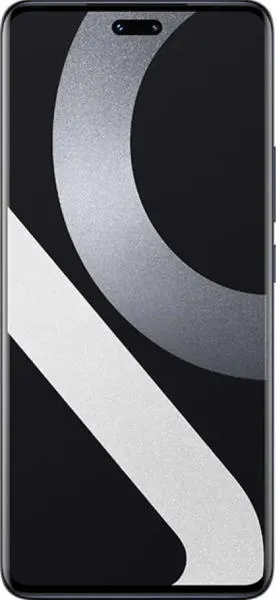
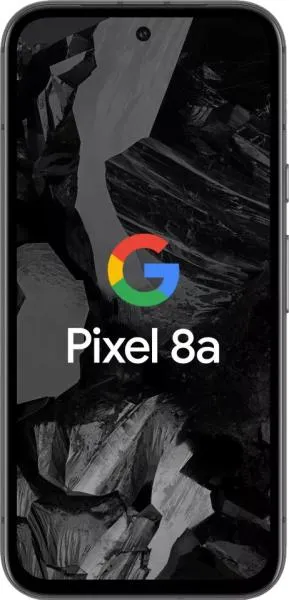
| Feature | Xiaomi 13 Lite | Google Pixel 8a | Practical Impact |
|---|---|---|---|
| Design | |||
| Dimensions (mm) | 159.2 x 72.7 x 7.2 | 152.1 x 72.7 x 8.9 | Pixel 8a is slightly shorter and noticeably thicker. Xiaomi 13 Lite is thinner and potentially more pocketable. |
| Weight (g) | 171 | 188 | Xiaomi 13 Lite is lighter, contributing to better one-handed use. |
| Display | |||
| Size (inches) | 6.55 | 6.1 | Xiaomi 13 Lite offers a larger screen for media consumption, while Pixel 8a might be preferable for one-handed use. |
| Resolution | 1080 x 2400 | 1080 x 2400 | Identical resolution, but Pixel 8a's smaller size results in a slightly higher pixel density (sharper image). |
| Type | AMOLED | OLED | Both offer vibrant colors and deep blacks. Practical differences in daily use might be minimal, though specific AMOLED implementations can vary. Xiaomi offers Dolby Vision and HDR10+, potentially providing a better HDR experience. |
| Refresh Rate (Hz) | 120 | 120 | Both offer smooth scrolling and animations. |
| Peak Brightness (nits) | 1000 | 2000 (peak) | Pixel 8a's significantly higher peak brightness drastically improves outdoor visibility. |
| Performance | |||
| Chipset | Snapdragon 7 Gen 1 | Google Tensor G3 | Tensor G3 is generally more powerful, especially in AI tasks, while Snapdragon 7 Gen 1 focuses on balanced performance and efficiency. |
| CPU | Octa-core (1x2.4 GHz A710 & 3x2.36 GHz A710 & 4x1.8 GHz A510) | Nona-core (1x3.0 GHz X3 & 4x2.45 GHz A715 & 4x2.15 GHz A510) | Pixel 8a's more powerful CPU architecture, particularly the Cortex-X3 core, should provide noticeable performance gains in demanding applications. |
| GPU | Adreno 644 | Immortalis-G715s MC10 | Pixel 8a has a more capable GPU, likely resulting in better gaming performance. |
| RAM (GB) | 8 | 8 | Equal RAM capacity ensures smooth multitasking on both devices. |
| OS | Android 12 | Android 14 | Pixel 8a ships with a newer Android version and guaranteed longer updates, offering better security and features. It will receive updates up to Android 21. |
| Camera | |||
| Rear Camera | 50MP Main, 8MP Wide, 2MP Macro | 64MP Main, 13MP Wide+Macro | Pixel 8a has a higher resolution main sensor and a combined wide and macro lens. Pixel's computational photography generally outperforms competitors. |
| Front Camera | 32MP + 8MP Depth | 13MP | Xiaomi 13 Lite features a higher resolution selfie camera and a dedicated depth sensor for portrait mode. Pixel relies on software processing for depth effects. |
| Video | Up to 4K@30fps, 720p@960fps | Up to 4K@60fps with OIS | Pixel 8a offers better video recording capabilities including higher resolution and frame rates with optical image stabilization. |
| Battery | |||
| Capacity (mAh) | 4500 | 4492 | Nearly identical battery capacities. Real-world battery life will depend on software optimization and usage patterns. |
| Charging (W) | 67W Wired | 18W Wired | Xiaomi 13 Lite offers significantly faster wired charging. Pixel 8a has unspecified wireless charging. |
2. Key Differences Analysis
Xiaomi 13 Lite Advantages:
- Lighter and Thinner: More comfortable for extended use and one-handed operation.
- Faster Charging: Significantly reduces downtime.
- Larger Display: Provides a more immersive experience for media consumption.
- Higher Resolution Selfie Camera: Potentially better selfie quality.
Google Pixel 8a Advantages:
- More Powerful Performance: Better for demanding tasks and gaming due to the Tensor G3 chip.
- Superior Camera System: Expected to deliver better overall image and video quality due to Google's computational photography prowess and OIS.
- Longer Software Support: Ensures up-to-date security and features for a longer period.
- Brighter Display: Far superior outdoor visibility.
Trade-offs:
- Xiaomi prioritizes design portability and charging speed over raw performance and camera capabilities.
- Pixel sacrifices a bit of portability and faster charging for significant performance and camera advantages, as well as longer software support.
3. User Profiles & Recommendations
Xiaomi 13 Lite: Users who prioritize a lightweight, stylish design, fast charging, and a large display for media consumption. Ideal for social media users, casual gamers, and those who value quick charging.
Google Pixel 8a: Users who value performance, camera quality, and the latest software with guaranteed updates. Suitable for power users, mobile photographers/videographers, and those who prioritize a smooth, future-proof Android experience.
4. Decision Framework
Key Questions:
- What is your budget? Both phones are in the mid-range, but slight price differences may exist.
- What are your primary use cases? (e.g., photography, gaming, social media, general use)
- How important are software updates and longevity?
Scenario-Based Recommendations:
- Limited Budget, Casual User: Xiaomi 13 Lite offers excellent value.
- Photographer/Videographer: Pixel 8a is the clear choice.
- Power User/Gamer: Pixel 8a's performance advantage makes it the better option.
My Choice: Google Pixel 8a
While the Xiaomi 13 Lite offers a compelling package with its sleek design and fast charging, the Google Pixel 8a's superior performance, camera system, guaranteed long-term software updates, and incredibly bright display make it the better overall choice for me. I prioritize a smooth, future-proof user experience and excellent image quality, which the Pixel 8a delivers convincingly. The significantly brighter display is crucial for outdoor usage. While the faster charging of the Xiaomi is attractive, the overall benefits of the Pixel 8a outweigh this advantage.
