1. Specifications Comparison
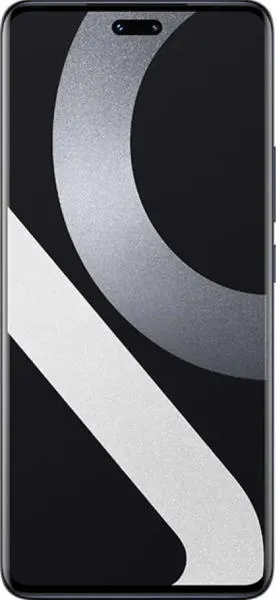
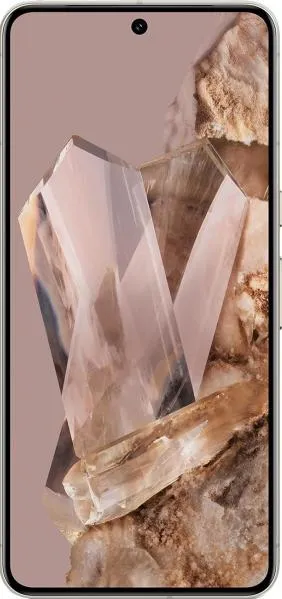
| Feature | Xiaomi 13 Lite | Google Pixel 8 Pro | Practical Impact |
|---|---|---|---|
| Design | |||
| Dimensions (mm) | 159.2 x 72.7 x 7.2 | 162.6 x 76.5 x 8.8 | Pixel 8 Pro is noticeably larger and thicker. |
| Weight (g) | 171 | 213 | Xiaomi 13 Lite is significantly lighter, improving one-handed use. |
| Display | |||
| Display Type | AMOLED | LTPO OLED | Both offer vibrant colors and deep blacks, but LTPO allows for dynamic refresh rate, saving battery on Pixel 8 Pro. |
| Display Size (inches) | 6.55 | 6.7 | Pixel 8 Pro offers a slightly larger screen for more immersive content consumption. |
| Resolution | 1080 x 2400 | 1344 x 2992 | Pixel 8 Pro has a sharper display with higher pixel density (489 vs 402 PPI), resulting in crisper text and images. |
| Refresh Rate (Hz) | 120 | 120 | Both offer smooth scrolling and animations. |
| Peak Brightness (nits) | 1000 | 2400 | Pixel 8 Pro's significantly higher peak brightness ensures better visibility outdoors. |
| Performance | |||
| Chipset | Snapdragon 7 Gen 1 | Google Tensor G3 | Tensor G3 is generally more powerful, especially in AI tasks, but real-world performance differences might be subtle for average users. |
| CPU | Octa-core (1x2.4 GHz A710 & 3x2.36 GHz A710 & 4x1.8 GHz A510) | Nona-core (1x3.0 GHz X3 & 4x2.45 GHz A715 & 4x2.15 GHz A510) | Tensor G3 boasts a more powerful core configuration for demanding tasks. |
| RAM (GB) | 8 | 12 | More RAM on Pixel 8 Pro enables better multitasking and smoother performance with multiple apps. |
| OS | Android 12 | Android 14 | Pixel 8 Pro runs the latest Android version with guaranteed updates for longer, offering newer features and security patches. |
| Camera | |||
| Rear Camera | 50MP Main, 8MP Wide, 2MP Macro | 50MP Main, 48MP Wide/Macro, 48MP Telephoto | Pixel 8 Pro has a superior camera system with a dedicated telephoto lens for optical zoom and a higher resolution ultrawide that also functions as a macro lens. |
| Front Camera | 32MP Main, 8MP Depth | 10.8MP | Xiaomi 13 Lite has a higher resolution front camera, but Pixel's computational photography might produce better overall results. |
| Video Recording | 4K@30fps, 1080p@120fps, 720p@960fps | 4K@60fps, 1080p@240fps | Pixel 8 Pro supports higher resolution and frame rate video recording. |
| Battery | |||
| Capacity (mAh) | 4500 | 5050 | Pixel 8 Pro has a larger battery capacity potentially offering longer battery life. |
| Fast Charging (W) | 67 | 30 | Xiaomi 13 Lite supports significantly faster wired charging. Pixel supports faster wireless charging (23W vs unspecified for Xiaomi). |
2. Key Differences Analysis
Xiaomi 13 Lite Advantages:
- Lighter and more compact: Easier for one-handed use and portability.
- Faster wired charging: Significantly reduces charging time.
- Lower price: Offers good value for its specifications.
Google Pixel 8 Pro Advantages:
- Superior camera system: More versatile with telephoto lens and better overall image quality due to Google's advanced image processing.
- More powerful processor and more RAM: Better performance for demanding tasks and multitasking.
- Latest Android version with longer update guarantee: Access to new features and better security for a longer period.
- Sharper and brighter display: More immersive viewing experience, especially outdoors.
- Larger battery: Potentially longer battery life.
3. User Profiles & Recommendations
Xiaomi 13 Lite: Ideal for users seeking a lightweight, affordable phone with fast charging and good performance for everyday tasks. Best for users who prioritize portability and value.
Google Pixel 8 Pro: Best suited for users who prioritize camera quality, performance, and the latest software features. Ideal for photography enthusiasts, power users, and those who want the purest Android experience.
4. Decision Framework
Key Questions for Buyers:
- What is your budget? The Pixel 8 Pro is significantly more expensive.
- What are your primary use cases? (e.g., photography, gaming, social media)
- Do you prioritize portability and fast charging or a larger screen and better camera?
Scenario-Based Recommendations:
- Budget-conscious user with moderate usage: Xiaomi 13 Lite.
- Photography enthusiast: Google Pixel 8 Pro.
- Power user who needs the latest features: Google Pixel 8 Pro.
My Choice: Google Pixel 8 Pro
While the Xiaomi 13 Lite offers excellent value, I would choose the Google Pixel 8 Pro. The superior camera system, longer software support, more powerful processor, brighter display, and larger battery are compelling advantages for me. I prioritize camera quality, performance, and having the latest software features, making the Pixel 8 Pro a better fit for my needs. I am willing to pay the premium for the significantly enhanced user experience and longevity offered by the Pixel. The faster wired charging on the Xiaomi is tempting, but the overall package of the Pixel wins out.
