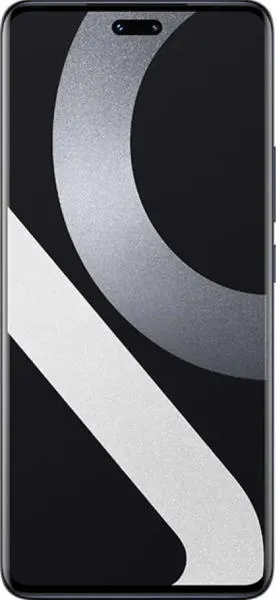
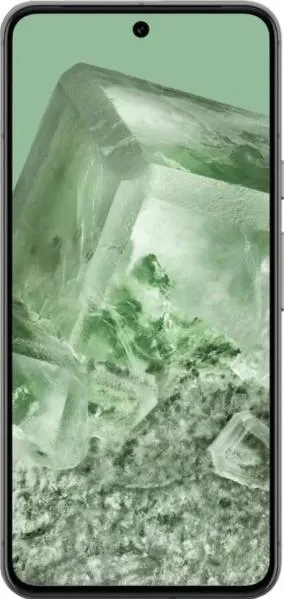
1. Specifications Comparison
| Feature | Xiaomi 13 Lite | Google Pixel 8 | Practical Impact |
|---|---|---|---|
| Design | |||
| Dimensions (mm) | 159.2 x 72.7 x 7.2 | 150.5 x 70.8 x 8.9 | Pixel 8 is noticeably smaller and slightly thicker. Xiaomi 13 Lite might feel taller and narrower in hand. |
| Weight (g) | 171 | 187 | Pixel 8 is heavier, potentially less comfortable for extended use. |
| Display | |||
| Display Type | AMOLED | OLED | Both offer vibrant colors and deep blacks. Practical differences in image quality might be subtle. |
| Size (inches) | 6.55 | 6.2 | Xiaomi offers a larger screen for media consumption but might be less pocketable. |
| Resolution | 1080 x 2400 | 1080 x 2400 | Identical resolution, but Pixel 8 has higher pixel density (428 vs 402 ppi) potentially resulting in slightly sharper text and images. |
| Refresh Rate (Hz) | 120 | 120 | Both offer smooth scrolling and animations. |
| Peak Brightness (nits) | 1000 | 2000 | Pixel 8's significantly higher peak brightness ensures better visibility in direct sunlight. |
| Performance | |||
| Chipset | Snapdragon 7 Gen 1 | Google Tensor G3 | Tensor G3 is generally considered more powerful, especially for AI tasks and image processing. Snapdragon 7 Gen 1 should still handle everyday tasks well. |
| CPU | Octa-core | Nona-core | Both are powerful CPUs, but the Tensor G3's architecture with a Cortex-X3 core suggests superior peak performance. |
| GPU | Adreno 644 | Immortalis-G715s MC10 | Tensor G3's GPU is expected to offer better gaming performance. |
| RAM (GB) | 8 | 8 | Identical RAM capacity should provide similar multitasking capabilities. |
| OS | Android 12 | Android 14 | Pixel 8 ships with the latest Android version and guaranteed longer updates, offering newer features and security patches. |
| Camera | |||
| Rear Camera (MP) | 50 MP Main, 8 MP Wide, 2 MP Macro | 50 MP Main, 12 MP Wide & Macro | Pixel 8 boasts superior computational photography capabilities despite seemingly similar sensor specs. Its combined wide and macro lens offers versatility. |
| Front Camera (MP) | 32 MP + 8 MP Depth | 10.8 MP | Xiaomi features a higher resolution front camera system, potentially capturing more detail. Pixel relies on processing for image quality. |
| Video Recording | Up to 4K@30fps | Up to 4K@60fps | Pixel 8 supports higher resolution and frame rate video recording. Slow-motion video up to 240fps on Pixel vs 960fps on Xiaomi. |
| Battery | |||
| Capacity (mAh) | 4500 | 4575 | Negligible difference in battery capacity. Real-world battery life will depend on usage and optimization. |
| Fast Charging (W) | 67 | 27 | Xiaomi offers significantly faster wired charging. Wireless charging watts not available for comparison. |
2. Key Differences Analysis
Xiaomi 13 Lite Advantages:
- Larger Display: Better for media consumption.
- Faster Charging: Significantly reduces charging time.
- Higher Resolution Front Camera: Potentially more detailed selfies.
- Higher Frame Rate Slow Motion: Captures more frames for slow-motion videos.
Google Pixel 8 Advantages:
- Smaller Size: Easier to handle and pocket.
- Brighter Display: Superior outdoor visibility.
- More Powerful Processor and GPU: Better for demanding tasks and gaming.
- Latest Android Version and Longer Updates: Ensures access to new features and security patches for a longer period.
- Superior Camera Software: Google's computational photography generally produces better image quality.
3. User Profiles & Recommendations
Xiaomi 13 Lite: Users prioritizing a large display, faster charging, and high-resolution selfies, who are budget-conscious. Suitable for social media enthusiasts, casual gamers, and media consumers.
Google Pixel 8: Users who value a compact size, a bright display, the latest software with guaranteed updates, and top-notch camera performance, and prioritize software experience over raw hardware specs. Ideal for power users, photographers, and those seeking a long-lasting phone.
4. Decision Framework
Key Questions for Buyers:
- What screen size do you prefer? Larger for media or smaller for one-handed use?
- How important is camera quality and software features? Pixel 8 excels in this area.
- What is your budget and how important is long-term software support? Pixel 8 offers longer OS updates.
Scenario-Based Recommendations:
- Heavy social media user on a budget: Xiaomi 13 Lite
- Photographer seeking the best camera: Google Pixel 8
- Gamer who needs top performance: Google Pixel 8
My Choice: Google Pixel 8
While the Xiaomi 13 Lite offers a larger display and faster charging, the Google Pixel 8's superior software experience, guaranteed long-term updates, brighter display, more powerful processor, and class-leading camera make it the better overall choice for me. I prioritize performance, camera quality, and software updates over screen size and charging speed. The Pixel 8's compact size is also more appealing to me. Although the price difference is considerable, the Pixel 8 offers a more future-proof and premium experience justified by the higher cost.
