1. Specifications Comparison
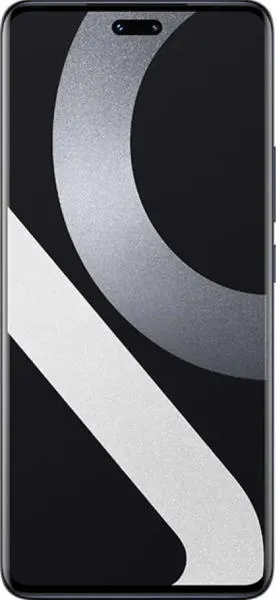
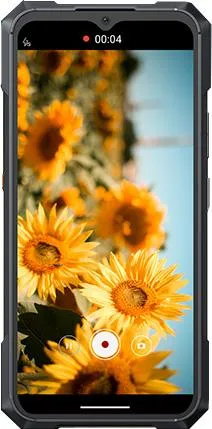
| Feature | Xiaomi 13 Lite | Cubot KingKong X | Practical Impact |
|---|---|---|---|
| Design | |||
| Dimensions (mm) | 159.2 x 72.7 x 7.2 | 170.9 x 82.2 x 18.7 | KingKong X is significantly larger and thicker, impacting portability. |
| Weight (g) | 171 | 388 | KingKong X is much heavier, potentially tiring for extended use. |
| Build Material | Not specified | Not specified | Cannot compare durability and premium feel. |
| Display | |||
| Display Type | AMOLED | IPS LCD | Xiaomi offers more vibrant colors, deeper blacks, and better power efficiency. KingKong X may offer better outdoor visibility. |
| Display Size (inches) | 6.55 | 6.58 | Negligible size difference. |
| Resolution | 1080 x 2400 | 1080 x 2408 | Virtually identical sharpness. |
| Refresh Rate (Hz) | 120 | 120 | Both offer smooth scrolling and animations. |
| HDR | HDR10+, Dolby Vision | Not specified | Xiaomi provides a superior HDR experience for compatible content. |
| Performance | |||
| Chipset | Snapdragon 7 Gen 1 | Dimensity 7050 | Both offer good mid-range performance, but benchmarks would be needed for detailed comparison. |
| CPU | Octa-core (1x2.4 GHz A710 & 3x2.36 GHz A710 & 4x1.8 GHz A510) | Octa-core (2x2.6 GHz A78 & 6x2.0 GHz A55) | Different core configurations; real-world performance differences require benchmarks. |
| RAM (GB) | 8 | 16 | KingKong X has significantly more RAM, enabling better multitasking and potentially smoother performance with demanding apps. |
| Storage (GB) | 256 | 512 | KingKong X offers double the storage, crucial for users with large media libraries. |
| Camera | |||
| Main Camera (MP) | 50 (Sony IMX766) | 100 (Omnivision OVA0B40) | Higher megapixel count on KingKong X doesn't guarantee better image quality; sensor size and processing are crucial. Xiaomi utilizes a known high-quality sensor. |
| Front Camera (MP) | 32 | 32 | Similar resolution; image quality depends on sensor and processing. |
| Video Recording | 4K@30fps, 720p@960fps | 4K@30fps, 1080p@30fps | Xiaomi offers higher slow-motion capabilities. |
| Battery | |||
| Capacity (mAh) | 4500 | 10200 | KingKong X boasts significantly larger battery capacity, translating to much longer usage time. |
| Fast Charging | 67W | 33W | Xiaomi charges significantly faster despite having a smaller battery. |
2. Key Differences Analysis
Xiaomi 13 Lite Advantages:
- Superior Display: AMOLED technology offers richer colors and deeper blacks compared to the KingKong X's IPS LCD. HDR support further enhances visual quality for compatible content.
- Faster Charging: 67W fast charging significantly reduces downtime compared to the KingKong X's 33W.
- Premium Design (Likely): While materials aren't specified, Xiaomi generally focuses on sleeker, more premium designs in its "Lite" series.
- Potentially Better Main Camera: While KingKong X has a higher megapixel count, the Xiaomi utilizes a well-regarded Sony IMX766 sensor, potentially resulting in better overall image quality.
Cubot KingKong X Advantages:
- Massive Battery: 10200 mAh battery provides exceptionally long battery life, ideal for heavy users or those in areas with limited charging access.
- Larger RAM and Storage: 16GB RAM ensures smooth multitasking and handles demanding applications effortlessly. 512GB storage offers ample space for media and files.
- Rugged Design (Likely): "KingKong" branding suggests a rugged, durable build designed to withstand harsher conditions.
3. User Profiles & Recommendations
Xiaomi 13 Lite: Users prioritizing display quality, faster charging, a sleeker design, and a potentially superior camera experience. Suitable for multimedia consumption, moderate gaming, and everyday use.
Cubot KingKong X: Users requiring extremely long battery life, ample storage and RAM, and a potentially rugged device. Ideal for outdoor enthusiasts, travelers, or those who prioritize functionality over aesthetics.
4. Decision Framework
Key Questions for Buyers:
- What is your budget?
- What is your primary use case (e.g., multimedia, gaming, outdoor activities)?
- Which features are most important to you (e.g., battery life, display quality, camera performance)?
Scenario-Based Recommendations:
- Limited Budget, Long Battery Life Crucial: Cubot KingKong X
- Multimedia Enthusiast, Value Display Quality: Xiaomi 13 Lite
- Outdoor Adventurer, Need Rugged Device: Cubot KingKong X
My Choice: Xiaomi 13 Lite
While the Cubot KingKong X offers impressive battery life, RAM, and storage, the Xiaomi 13 Lite better suits my needs. I prioritize a high-quality display, fast charging, and a sleek design. The AMOLED screen with HDR support is a significant advantage for media consumption. The Sony IMX766 sensor in the Xiaomi also suggests a potentially superior camera experience. While the KingKong X's ruggedness and massive battery are tempting, the Xiaomi 13 Lite offers a better balance of features and performance for my everyday usage. The significantly faster charging is also a major factor for me. Finally, I suspect the Xiaomi offers a more premium feel, although this is an assumption based on brand history and lacking specific build material details.
