1. Specifications Comparison
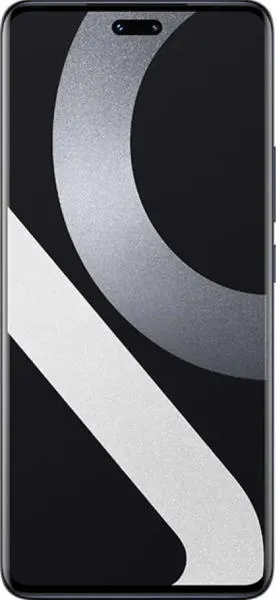
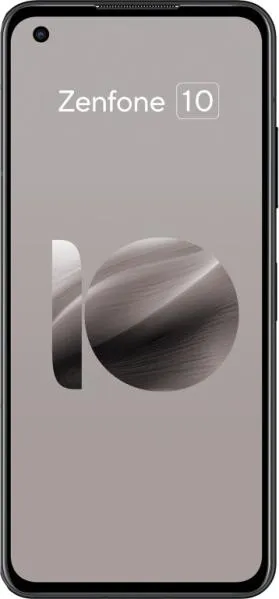
| Feature | Xiaomi 13 Lite | Asus Zenfone 10 | Practical Impact |
|---|---|---|---|
| Design | |||
| Dimensions (mm) | 159.2 x 72.7 x 7.2 | 146.5 x 68.1 x 9.4 | Zenfone 10 is significantly smaller and slightly thicker, making it more pocketable but potentially less comfortable for long periods of media consumption. |
| Weight (g) | 171 | 172 | Negligible weight difference. |
| Display | |||
| Size (inches) | 6.55 | 5.92 | Larger display on the Xiaomi offers more screen real estate for media consumption and multitasking, while the smaller Zenfone 10 prioritizes one-handed usability. |
| Resolution | 1080 x 2400 | 1080 x 2400 | Identical resolution, but the Zenfone 10's smaller size results in a sharper image (445 ppi vs 402 ppi). |
| Refresh Rate (Hz) | 120 | 144 | Higher refresh rate on the Zenfone 10 delivers smoother animations and scrolling, especially noticeable in gaming and fast-paced content. |
| Display Type | AMOLED | Super AMOLED | Both are AMOLED, offering vibrant colors and deep blacks. Zenfone 10's "Super" AMOLED may imply slightly improved brightness and color accuracy, but this is not guaranteed without further specifications. |
| Peak Brightness (nits) | 1000 | 1100 | Zenfone 10 offers slightly higher peak brightness, potentially improving outdoor visibility. |
| Performance | |||
| Chipset | Snapdragon 7 Gen 1 | Snapdragon 8 Gen 2 | Zenfone 10 boasts a significantly more powerful flagship processor, enabling smoother performance in demanding tasks, including gaming and content creation. |
| CPU | Octa-core (1x2.4 GHz A710 & 3x2.36 GHz A710 & 4x1.8 GHz A510) | Octa-core (1x3.2 GHz X3 & 2x2.8 GHz A715 & 2x2.8 GHz A710 & 3x2.0 GHz A510) | The Zenfone 10's CPU features faster clock speeds and more powerful cores, resulting in a substantial performance advantage. |
| GPU | Adreno 644 | Adreno 740 | Zenfone 10's superior GPU will deliver significantly better gaming performance and smoother graphics rendering. |
| RAM (GB) | 8 | 8/16 | Both offer 8GB, but the Zenfone 10 also has a 16GB option, benefiting heavy multitaskers and power users. |
| Camera | |||
| Main Camera (MP) | 50 (Sony IMX766) | 50 (Sony IMX766) | Both phones use the same main sensor, suggesting similar image quality potential in ideal conditions. |
| Optical Stabilization | No | Yes (6-axis Gimbal) | Zenfone 10's 6-axis gimbal stabilization will result in dramatically smoother video footage and potentially better low-light photos. |
| Video Recording | Up to 4K@30fps | Up to 8K@24fps | Zenfone 10 offers higher resolution video recording capabilities. |
| Battery | |||
| Capacity (mAh) | 4500 | 4300 | Slightly larger battery in the Xiaomi, but real-world battery life will depend on numerous factors including software optimization and display size. |
| Fast Charging (W) | 67 | 30 | Xiaomi 13 Lite charges significantly faster. |
| Wireless Charging | No | 15W | Zenfone 10 supports wireless charging, adding convenience. |
2. Key Differences Analysis
Xiaomi 13 Lite Advantages:
- Larger Display: Better for media consumption and multitasking.
- Faster Wired Charging: Significantly reduces charging time.
- Potentially Longer Battery Life: Larger battery capacity, though real-world usage may vary.
Asus Zenfone 10 Advantages:
- Significantly More Powerful: Snapdragon 8 Gen 2 offers a major performance advantage for demanding tasks and gaming.
- Smoother Display: 144Hz refresh rate provides a more fluid user experience.
- Superior Camera Stabilization: 6-axis gimbal stabilization drastically improves video quality.
- Compact Form Factor: Easier to handle and pocket.
- Wireless Charging: Added convenience for charging.
3. User Profiles & Recommendations
Xiaomi 13 Lite: Suited for users who prioritize a large display for media consumption, casual gaming, and everyday tasks. Its faster charging is beneficial for those who need quick top-ups.
Asus Zenfone 10: Ideal for users who demand top-tier performance for demanding games, content creation, and heavy multitasking. Its compact size, gimbal stabilization, and wireless charging are appealing for on-the-go users.
4. Decision Framework
Key Questions for Buyers:
- What is your budget? The Zenfone 10 is generally more expensive.
- What is your primary use case? (e.g., gaming, media consumption, photography)
- Do you prioritize performance or battery life?
My Choice: Asus Zenfone 10
While the Xiaomi 13 Lite offers a larger display and faster charging, the Zenfone 10's superior performance, smoother display, significantly better camera stabilization, and compact form factor are more compelling to me. I value a smooth and responsive user experience, and the Snapdragon 8 Gen 2 delivers that in spades. The gimbal stabilization is a game-changer for video recording, and the compact size is more pocketable for daily use. Wireless charging, while slower, is a convenient addition. Although the battery is slightly smaller, the 8 Gen 2's efficiency could potentially offset this in real-world usage. I am willing to compromise on screen size and wired charging speed for the significant gains in overall performance and user experience offered by the Zenfone 10.
