1. Specifications Comparison
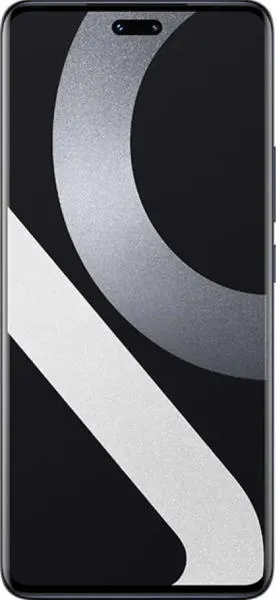
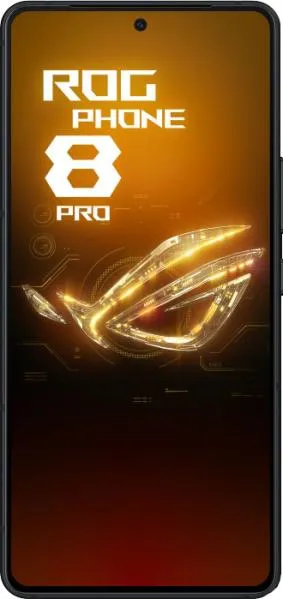
| Feature | Xiaomi 13 Lite | Asus ROG Phone 8 Pro | Practical Impact |
|---|---|---|---|
| Design | |||
| Dimensions (mm) | 159.2 x 72.7 x 7.2 | 163.8 x 76.8 x 8.9 | ROG Phone 8 Pro is larger and noticeably thicker. |
| Weight (g) | 171 | 225 | Xiaomi 13 Lite is significantly lighter and more pocketable. ROG Phone 8 Pro's weight might be fatiguing for extended use. |
| Display | |||
| Display Size (inches) | 6.55 | 6.78 | ROG Phone 8 Pro offers a slightly larger screen for media consumption. |
| Resolution | 1080 x 2400 | 1080 x 2400 | Identical resolution, but the ROG Phone 8 Pro's larger size results in a slightly lower pixel density (less sharp). |
| Refresh Rate (Hz) | 120 | 165 | ROG Phone 8 Pro's higher refresh rate provides smoother animations and scrolling, particularly beneficial for gaming. |
| Peak Brightness (nits) | 1000 | 2500 | ROG Phone 8 Pro offers significantly higher peak brightness for better outdoor visibility. |
| Display Type | AMOLED | LTPO AMOLED | Both are AMOLED, but LTPO on the ROG Phone allows for variable refresh rate, saving battery. |
| Performance | |||
| Chipset | Snapdragon 7 Gen 1 | Snapdragon 8 Gen 3 | ROG Phone 8 Pro boasts a significantly more powerful processor, resulting in much faster performance in demanding tasks and games. |
| CPU | Octa-core (1x2.4 GHz A710 & 3x2.36 GHz A710 & 4x1.8 GHz A510) | Octa-core (1x3.3 GHz X4 & 3x3.2 GHz A720 & 2x3.0 GHz A720 & 2x2.3 GHz A520) | ROG Phone 8 Pro has a newer, more powerful CPU architecture for superior performance. |
| GPU | Adreno 644 | Adreno 750 | ROG Phone 8 Pro's GPU is considerably more powerful, enabling higher frame rates and better graphics in games. |
| RAM | 8GB | 16/24GB | ROG Phone 8 Pro offers significantly more RAM, allowing for smoother multitasking and preventing apps from closing in the background. |
| Camera | |||
| Main Camera (MP) | 50 | 50 | Both have 50MP main sensors but different models, impacting image quality. More information is needed on specific sensor performance characteristics to make a definitive comparison. |
| Ultrawide (MP) | 8 | 13 | ROG Phone 8 Pro has a higher resolution ultrawide camera potentially capturing more detail. |
| Telephoto (MP) | N/A | 32 | ROG Phone 8 Pro has a dedicated telephoto lens for optical zoom, absent in the Xiaomi 13 Lite. |
| Video Recording | Up to 4K@30fps | Up to 8K@24fps | ROG Phone 8 Pro supports higher resolution video recording. |
| Battery | |||
| Capacity (mAh) | 4500 | 5500 | ROG Phone 8 Pro has a larger battery capacity, potentially lasting longer on a single charge. |
| Fast Charging (W) | 67 | 65 | Similar fast charging speeds, though Xiaomi 13 Lite is slightly faster. |
2. Key Differences Analysis
Xiaomi 13 Lite Advantages:
- Lighter and More Compact: Significantly easier to carry and use one-handed.
- Lower Price: Offers good value for its features.
Asus ROG Phone 8 Pro Advantages:
- Significantly More Powerful: Superior performance for gaming and demanding tasks.
- Higher Refresh Rate Display: Smoother visuals, especially for gaming.
- Brighter Display: Better outdoor visibility.
- Larger Battery: Potentially longer battery life.
- More Versatile Camera System: Telephoto lens and 8K video recording.
- More RAM: Superior multitasking capabilities.
3. User Profiles & Recommendations
Xiaomi 13 Lite:
- Ideal User: Budget-conscious users who prioritize portability and a lightweight design. Users primarily focused on everyday tasks like social media, web browsing, and light photography.
- Use Cases: Casual photography, social media, web browsing, video streaming.
Asus ROG Phone 8 Pro:
- Ideal User: Gamers, power users, and content creators who demand top-tier performance, a high-quality display, and advanced camera features.
- Use Cases: Demanding mobile gaming, video editing, content creation, multitasking, photography with zoom capabilities.
4. Decision Framework
Key Questions for Buyers:
- What is your budget? The ROG Phone 8 Pro is significantly more expensive.
- What are your primary use cases? Gaming and demanding tasks benefit from the ROG Phone's power. Casual use favors the Xiaomi's portability and price.
- Do you prioritize portability and one-handed use? The Xiaomi 13 Lite excels in this area.
Scenario-Based Recommendations:
- Limited Budget, Casual Use: Xiaomi 13 Lite
- Gaming Enthusiast: Asus ROG Phone 8 Pro
- Power User/Content Creator: Asus ROG Phone 8 Pro
My Choice: Asus ROG Phone 8 Pro
While the Xiaomi 13 Lite offers excellent value, I would choose the Asus ROG Phone 8 Pro. The significant performance difference offered by the Snapdragon 8 Gen 3, coupled with the higher refresh rate display, larger battery, and more versatile camera system, outweighs the price difference and larger size for my needs. I prioritize a smooth and powerful user experience, and the ROG Phone 8 Pro is clearly designed to deliver that. The inclusion of a telephoto lens and 8K video recording also enhances its appeal for content creation. While I acknowledge the Xiaomi 13 Lite's advantages in portability, my usage leans towards demanding tasks and gaming, making the ROG Phone 8 Pro the better fit.
