1. Specifications Comparison
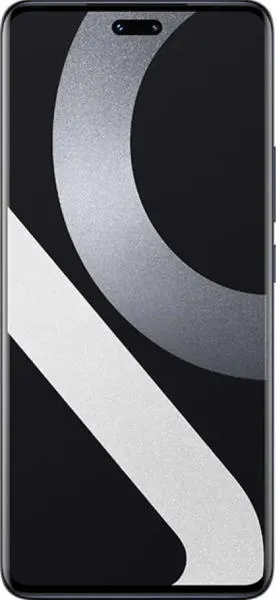
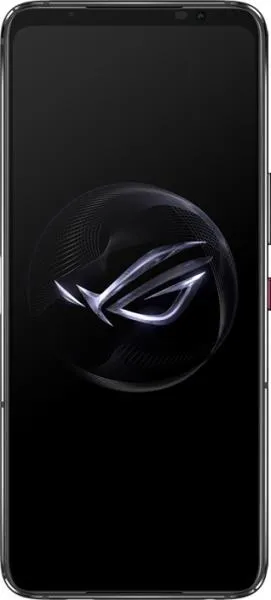
| Feature | Xiaomi 13 Lite | Asus ROG Phone 7 | Practical Impact |
|---|---|---|---|
| Design | |||
| Dimensions (mm) | 159.2 x 72.7 x 7.2 | 173 x 77 x 10.3 | ROG Phone 7 significantly larger and thicker. Xiaomi 13 Lite is more pocketable and easier to handle. |
| Weight (g) | 171 | 239 | ROG Phone 7 is noticeably heavier. Can be tiring for extended use. |
| Build | Material specifications missing for both phones. Can't compare durability or premium feel. | ||
| Display | |||
| Size (inches) | 6.55 | 6.78 | ROG Phone 7 offers a slightly larger screen for more immersive media consumption. |
| Resolution | 1080 x 2400 | 1080 x 2448 | Virtually identical resolutions; sharpness will be similar. |
| Refresh Rate (Hz) | 120 | 165 | ROG Phone 7's higher refresh rate provides smoother animations and potentially better gaming performance. |
| Display Type | AMOLED | AMOLED | Both offer vibrant colors and deep blacks. |
| Peak Brightness (nits) | 1000 | 1500 | ROG Phone 7 is significantly brighter, ensuring better visibility outdoors. |
| Performance | |||
| Chipset | Snapdragon 7 Gen 1 | Snapdragon 8 Gen 2 | ROG Phone 7 boasts a significantly more powerful processor, leading to much faster performance in demanding tasks and games. |
| CPU | Octa-core (1x2.4 GHz A710 & 3x2.36 GHz A710 & 4x1.8 GHz A510) | Octa-core (1x3.2 GHz X3 & 2x2.8 GHz A715 & 2x2.8 GHz A710 & 3x2.0 GHz A510) | ROG Phone 7 has a superior CPU architecture and clock speeds for significantly better performance. |
| GPU | Adreno 644 | Adreno 740 | ROG Phone 7 has a much more powerful GPU, delivering a superior gaming and graphics rendering experience. |
| RAM | 8GB | 12/16GB | ROG Phone 7 offers more RAM for better multitasking and smoother performance. |
| Camera | |||
| Main Camera (MP) | 50 (Sony IMX766) | 50 (Sony IMX766) | Both use the same sensor, potentially offering similar image quality. Lens and processing differences could still impact results. |
| Ultrawide (MP) | 8 | 13 | ROG Phone 7 offers a higher resolution ultrawide camera. |
| Macro (MP) | 2 | 5 | ROG Phone 7 has a higher resolution macro camera. |
| Video Recording | Up to 4K@30fps | Up to 8K@24fps | ROG Phone 7 supports higher resolution video recording. |
| Battery | |||
| Capacity (mAh) | 4500 | 6000 | ROG Phone 7 has a much larger battery, likely resulting in significantly longer battery life. |
| Fast Charging (W) | 67 | 65 | Similar fast charging speeds. Practical charging times could differ due to battery capacity differences. |
2. Key Differences Analysis
Xiaomi 13 Lite Advantages:
- Smaller and Lighter: More comfortable for one-handed use and portability.
- Potentially More Affordable: Belongs to a medium price range, making it more accessible.
Asus ROG Phone 7 Advantages:
- Significantly More Powerful: Superior performance for gaming, demanding apps, and multitasking.
- Larger Battery: Offers much longer battery life.
- Brighter Display: Improved outdoor visibility.
- Higher Refresh Rate Display: Smoother visuals for gaming and everyday use.
- More RAM: Enables better multitasking and handling of demanding applications.
- Superior Camera Capabilities: Higher resolution ultrawide and macro cameras, and 8K video recording.
3. User Profiles & Recommendations
Xiaomi 13 Lite: Suitable for users who prioritize portability, affordability, and general everyday use. Good for social media, web browsing, and light gaming.
Asus ROG Phone 7: Ideal for power users, mobile gamers, and content creators who demand top-tier performance, a long-lasting battery, and a premium multimedia experience.
4. Decision Framework
Key Questions for Buyers:
- What is your budget? The ROG Phone 7 is significantly more expensive.
- What are your primary use cases? Gaming, content creation, or everyday tasks?
- Do you prioritize portability and one-handed use? The Xiaomi 13 Lite is smaller and lighter.
Scenario-Based Recommendations:
- Casual User: Xiaomi 13 Lite offers a good balance of features and affordability.
- Gamer/Power User: Asus ROG Phone 7 is the clear choice for its performance and features.
- Budget-Conscious User: Xiaomi 13 Lite offers good value for its price.
My Choice: Asus ROG Phone 7
While the Xiaomi 13 Lite is a solid mid-range phone, the Asus ROG Phone 7 is the superior device overall. Its flagship-level performance, larger battery, brighter and smoother display, and enhanced camera capabilities justify the higher price for my needs. I prioritize a smooth and powerful user experience, making the ROG Phone 7 the better choice despite its larger size and weight. The longevity provided by the powerful chipset and large battery is also a significant factor in my decision.
