1. Specifications Comparison
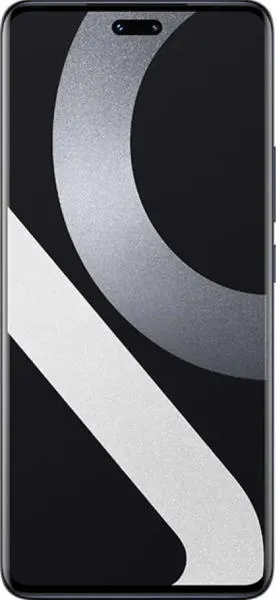
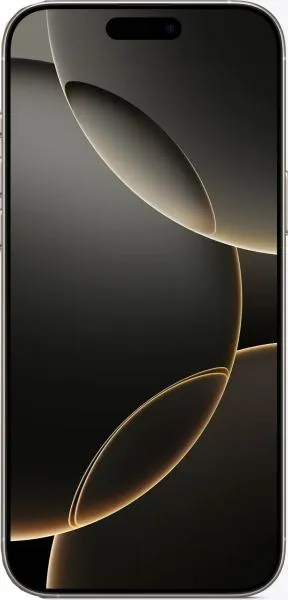
| Feature | Xiaomi 13 Lite | Apple iPhone 16 Pro Max | Practical Impact |
|---|---|---|---|
| Design | |||
| Dimensions (mm) | 159.2 x 72.7 x 7.2 | 163 x 77.6 x 8.3 | iPhone 16 Pro Max is larger and thicker. |
| Weight (g) | 171 | 227 | Xiaomi 13 Lite is significantly lighter, more comfortable for extended use. |
| Build | Not specified | Not specified | Build materials impact durability and premium feel; information is missing for both. |
| Display | |||
| Display Type | AMOLED | LTPO Super Retina XDR OLED | Both offer excellent color accuracy and deep blacks. LTPO allows for dynamic refresh rate, saving battery on the iPhone. |
| Display Size (inches) | 6.55 | 6.9 | iPhone has a larger display, better for media consumption but less pocketable. |
| Resolution | 1080 x 2400 | 1320 x 2868 | iPhone has a sharper display due to higher resolution and pixel density. |
| Refresh Rate (Hz) | 120 | 120 | Both offer smooth scrolling and animations. |
| Peak Brightness (nits) | 1000 (typical), 1000 (peak) | 1000 (typical), 2000 (HBM) | iPhone has significantly higher peak brightness for better outdoor visibility. |
| Performance | |||
| Chipset | Snapdragon 7 Gen 1 | Apple A18 Pro | A18 Pro is expected to significantly outperform the Snapdragon 7 Gen 1 in speed and efficiency. |
| CPU | Octa-core | Hexa-core | Specific core configurations are different, but A18 Pro is likely more powerful. |
| GPU | Adreno 644 | Apple GPU (6-core) | Apple's custom GPU is expected to provide superior graphics performance. |
| RAM (GB) | 8 | 8 | Both phones have sufficient RAM for multitasking. |
| Camera | |||
| Rear Camera | 50MP (Main) + 8MP (Wide) + 2MP (Macro) | 48MP (Main) + 48MP (Wide/Macro) + 12MP (Telephoto) + ToF 3D | iPhone offers a more versatile camera system with a dedicated telephoto lens and advanced depth sensing. |
| Front Camera | 32MP (Main) + 8MP (Depth) | 12MP | Xiaomi has higher resolution front cameras, but image quality depends on more than just megapixels. iPhone has a ToF sensor for improved FaceID and portrait mode. |
| Video Recording | Up to 4K@30fps, 720p@960fps | Up to 4K@120fps | iPhone offers higher resolution and frame rate video recording capabilities. |
| Battery | |||
| Capacity (mAh) | 4500 | 4685 | Similar battery capacities, but real-world battery life depends on optimization. |
| Fast Charging | 67W | 25W Wired, 25W Wireless | Xiaomi offers significantly faster wired charging. iPhone offers wireless charging. |
2. Key Differences Analysis
Xiaomi 13 Lite Advantages:
- Lighter and more compact: More comfortable for one-handed use and extended periods.
- Faster Wired Charging: Significantly reduces charging time.
- Lower Price: Offers a more budget-friendly option.
Apple iPhone 16 Pro Max Advantages:
- Significantly more powerful: smoother performance, better for demanding tasks and gaming.
- More versatile camera system: Telephoto lens enables optical zoom, ToF sensor enhances depth sensing.
- Sharper display with higher peak brightness: Better outdoor visibility and media consumption experience.
- LTPO display: More power efficient.
- Expected longer software support: Apple provides OS updates for several years.
Trade-offs:
- Price: The iPhone 16 Pro Max is significantly more expensive.
- Size and Weight: The iPhone 16 Pro Max is larger and heavier, potentially less comfortable for some users.
3. User Profiles & Recommendations
Xiaomi 13 Lite:
- Budget-conscious users: Prioritize affordability without sacrificing core features.
- Users who value a lightweight and compact phone: Easier to handle and carry.
- Users who prioritize fast charging: Minimize downtime.
Apple iPhone 16 Pro Max:
- Power users: Demand top-tier performance for gaming, demanding apps, and multitasking.
- Photography enthusiasts: Value a versatile camera system with advanced features.
- Users who prioritize a premium display: Immersive media consumption and excellent outdoor visibility.
- Users who value long-term software updates: Prefer a device with extended support and security updates.
4. Decision Framework
Key Questions:
- What is your budget? The price difference is significant.
- What are your performance needs? For demanding tasks and gaming, the iPhone is superior.
- What are your primary use cases? Photography, media consumption, everyday tasks?
My Choice: Apple iPhone 16 Pro Max
While the Xiaomi 13 Lite offers excellent value for its price, the iPhone 16 Pro Max's superior performance, more versatile camera system, stunning display, and expected long-term software support make it the better choice for me. I prioritize a smooth user experience, high-quality photos and videos, and the longevity that comes with Apple's ecosystem. The higher price is a significant investment, but I believe it is justified by the overall quality and capabilities of the device. The faster wired charging of the Xiaomi is tempting, but wireless charging on the iPhone offsets this somewhat for my usage.
