1. Specifications Comparison
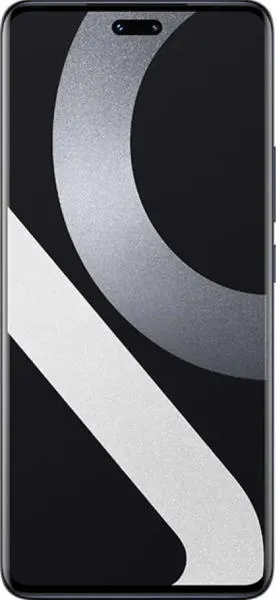
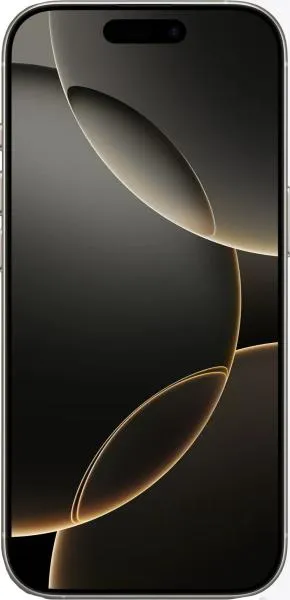
| Feature | Xiaomi 13 Lite | Apple iPhone 16 Pro | Practical Impact | ||||
|---|---|---|---|---|---|---|---|
| Design | |||||||
| Dimensions (mm) | 159.2 x 72.7 x 7.2 | 149.6 x 71.5 x 8.3 | iPhone 16 Pro is noticeably smaller and slightly thicker. Xiaomi 13 Lite might feel larger in hand. | ||||
| Weight (g) | 171 | 199 | Xiaomi 13 Lite is significantly lighter, reducing hand fatigue during extended use. | ||||
| Build Material | Not specified | Titanium | Durability and premium feel advantage to iPhone (assuming Titanium frame based on naming convention). Missing Xiaomi material info limits comparison. | ||||
| Display | |||||||
| Display Size (inches) | 6.55 | 6.3 | Xiaomi offers a larger screen for more immersive media consumption but potential for less one-handed usability. | ||||
| Resolution (px) | 1080 x 2400 | 1206 x 2622 | Similar pixel density, but iPhone's slightly higher resolution might offer marginally sharper text and images. | ||||
| Display Type | AMOLED | LTPO Super Retina XDR OLED | Both are OLED with excellent color and contrast. iPhone's LTPO allows for dynamic refresh rate adjustment, potentially saving battery. | ||||
| Peak Brightness (nits) | 1000 (typical), 1000 (peak) | 1000 (typical), 2000 (HBM) | iPhone 16 Pro boasts significantly higher peak brightness for better outdoor visibility. | ||||
| Refresh Rate (Hz) | 120 | 120 | Both offer smooth scrolling and animations. | ||||
| Performance | |||||||
| Chipset | Snapdragon 7 Gen 1 (4 nm) | Apple A18 Pro (3 nm) | A18 Pro is expected to significantly outperform the Snapdragon 7 Gen 1 in processing power and graphics performance. | ||||
| CPU | Octa-core | Hexa-core | Specific core configurations are listed, but practical performance comparison requires benchmarks, not just core counts. A18 Pro likely more powerful. | ||||
| GPU | Adreno 644 | Apple GPU (6-core) | Apple's custom GPU expected to provide superior gaming and graphics rendering compared to the Adreno 644. | ||||
| RAM (GB) | 8 | 8 | Same RAM capacity. Real-world multitasking performance will likely be influenced more by OS and chip optimization. | ||||
| Camera | |||||||
| Main Camera (MP) | 50 (Sony IMX766) | 48 (Sony IMX903) | Sensor size and specific model details provided. Requires real-world image comparisons to judge quality, not just megapixel count. | ||||
| Ultrawide (MP) | 8 | 48 | Significant difference in ultrawide resolution favors the iPhone. | ||||
| Telephoto (MP) | N/A | 12 | iPhone offers optical zoom capability, absent in the Xiaomi. | ||||
| Video Recording | Up to 4K@30fps, 720p@960fps | Up to 4K@120fps, 1080p@240fps | iPhone supports higher resolution and frame rate video recording, including HDR and Dolby Vision at higher frame rates. | ||||
| Battery | |||||||
| Capacity (mAh) | 4500 | 3582 | Significantly larger battery in the Xiaomi suggests longer battery life. | ||||
| Fast Charging (W) | 67 | 25 | Much faster wired charging on the Xiaomi. | Wireless Charging | Not specified | 25W | iPhone offers faster wireless charging. Missing spec for Xiaomi hinders comparison. |
2. Key Differences Analysis
Xiaomi 13 Lite Advantages:
- Larger Battery: Potentially much longer battery life.
- Faster Wired Charging: Significantly quicker charging times.
- Lighter Weight: More comfortable for extended use.
- Lower Price: Positioned in the "medium price" range.
Apple iPhone 16 Pro Advantages:
- Significantly Higher Performance: More powerful CPU and GPU for demanding tasks and gaming.
- Superior Camera System: Higher resolution ultrawide and telephoto lenses, advanced video recording capabilities.
- Premium Build & Design: Expected to use Titanium, implying greater durability.
- LTPO Display: More power-efficient display technology.
- More advanced software and ecosystem integration: iOS known for its smooth performance and app ecosystem.
Trade-offs:
- The Xiaomi prioritizes battery life and affordability over raw performance and camera features.
- The iPhone prioritizes performance, camera quality, and a premium experience at a higher price point.
3. User Profiles & Recommendations
Xiaomi 13 Lite Ideal User:
- Budget-conscious users
- Users who prioritize battery life
- Casual smartphone users focused on basic tasks and social media
Apple iPhone 16 Pro Ideal User:
- Power users demanding top-tier performance
- Mobile gamers and content creators
- Users prioritizing camera quality and advanced features
- Users invested in the Apple ecosystem
4. Decision Framework
Key Questions for Buyers:
- What is your budget? The iPhone 16 Pro commands a significantly higher price.
- What are your primary smartphone usage patterns? Casual use vs. demanding tasks, gaming, content creation.
- Which features are most important to you? Battery life, camera quality, performance, software experience.
My Choice and Why:
I would choose the Apple iPhone 16 Pro. While the Xiaomi 13 Lite offers compelling features like a larger battery and faster wired charging at a lower price, my priorities lie with performance, camera quality, and software experience. The A18 Pro chip's expected performance jump, coupled with the superior camera system (especially the higher resolution ultrawide and the presence of a telephoto lens) and smoother iOS experience, are decisive factors for me. I am willing to pay the premium for the significant gains in these areas, even with the trade-off of a slightly smaller battery. The inclusion of a USB-C port with DisplayPort functionality on the iPhone is another significant advantage for my workflow. While battery life is important, I value the overall performance and ecosystem more. The potential durability of the Titanium frame is also attractive.
