1. Specifications Comparison
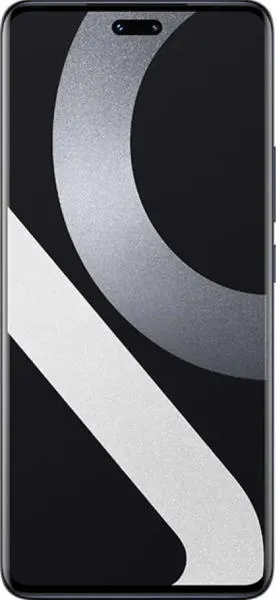
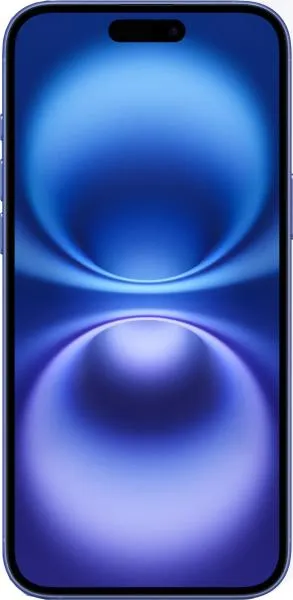
| Feature | Xiaomi 13 Lite | Apple iPhone 16 Plus | Practical Impact |
|---|---|---|---|
| Design | |||
| Dimensions (mm) | 159.2 x 72.7 x 7.2 | 160.9 x 77.8 x 7.8 | iPhone 16 Plus is slightly larger and thicker. |
| Weight (g) | 171 | 199 | Xiaomi 13 Lite is noticeably lighter, improving one-handed use. |
| Display | |||
| Display Type | AMOLED | Super Retina XDR OLED | Both offer excellent color accuracy and deep blacks. Super Retina XDR branding suggests potential for higher brightness and contrast on the iPhone. |
| Display Size (inches) | 6.55 | 6.7 | iPhone 16 Plus offers a slightly larger screen for media consumption. |
| Resolution | 1080 x 2400 | 1290 x 2796 | iPhone has a sharper display with higher pixel density (460 ppi vs 402 ppi), resulting in clearer text and images. |
| Refresh Rate (Hz) | 120 | Not specified | 120Hz on Xiaomi provides smoother scrolling and animations. Lack of iPhone refresh rate spec makes direct comparison impossible. |
| Peak Brightness (nits) | 1000 (typical), 1000 (peak) | 1000 (typical), 2000 (HBM) | iPhone 16 Plus boasts significantly higher peak brightness in HDR content, improving outdoor visibility. |
| Performance | |||
| Chipset | Snapdragon 7 Gen 1 (4 nm) | Apple A18 (3 nm) | A18 is expected to significantly outperform the Snapdragon 7 Gen 1 in processing power and graphics performance, enabling smoother multitasking and gaming. The 3nm process suggests better power efficiency for the A18. |
| CPU | Octa-core | Hexa-core | Core count difference is less important than architecture and clock speed; A18's performance cores likely clock higher than the Snapdragon's, resulting in faster single-core performance. |
| GPU | Adreno 644 | Apple GPU (5-core) | Apple's custom GPUs are generally highly performant; expect the iPhone to have a significant advantage in gaming and graphically demanding tasks. |
| RAM | 8GB | 8GB | RAM amount is equal, but iOS and Android manage memory differently, making a direct comparison difficult. |
| Camera | |||
| Main Camera (MP) | 50 | 48 | Megapixel count is similar. Image quality depends more on sensor size, aperture, and processing. iPhone's larger sensor (1/1.3" vs 1/1.56") likely captures more light, improving low-light performance. |
| Ultrawide (MP) | 8 | 12 | iPhone offers a higher resolution ultrawide camera. |
| Other Features | Double Front Camera | Cinematic Mode, Pro Video Mode | iPhone boasts more advanced video recording capabilities with Cinematic Mode. Xiaomi offers a dual front camera setup. |
| Battery | |||
| Capacity (mAh) | 4500 | 4674 | Similar battery capacities. Actual battery life depends heavily on software optimization and usage patterns. |
| Fast Charging (W) | 67 | 25 | Xiaomi supports much faster wired charging. iPhone spec doesn't detail wired charging speed, only mentioning 25W wireless. |
2. Key Differences Analysis
Xiaomi 13 Lite Advantages:
- Lighter and more compact: Easier for one-handed use and portability.
- Faster charging: Significantly reduces charging time.
- 120Hz Refresh Rate: Smoother display experience for scrolling and gaming.
- Lower price: Offers good value for its features.
iPhone 16 Plus Advantages:
- Significantly higher performance: A18 chip provides a major advantage in speed and graphics.
- Sharper Display with Higher Peak Brightness: Enhanced clarity and outdoor visibility.
- More advanced camera features: Cinematic Mode and potentially better low-light performance.
- Expected longer software support: Apple's iOS ecosystem typically provides updates for longer periods.
Trade-offs:
- Xiaomi: Lower performance compared to the iPhone.
- iPhone: Higher price, slower wired charging (specs unclear), potentially lower refresh rate (unspecified).
3. User Profiles & Recommendations
Xiaomi 13 Lite:
- Ideal User: Budget-conscious users who prioritize a lightweight design, fast charging, and a smooth display. Suitable for everyday tasks, social media, and casual gaming.
- Use Cases: Web browsing, social media, streaming video, casual gaming, photography in good lighting.
iPhone 16 Plus:
- Ideal User: Users who demand top-tier performance, a premium display, advanced camera features, and long-term software updates. Suitable for demanding tasks, mobile gaming, and professional content creation.
- Use Cases: Demanding games, video editing, professional photography, augmented reality applications, long-term usage with consistent software updates.
4. Decision Framework
Key Questions for Buyers:
- What is your budget? The iPhone 16 Plus is significantly more expensive.
- What level of performance do you need? For demanding tasks and gaming, the iPhone is superior.
- What are your priorities? Consider factors like display quality, camera features, charging speed, software updates, and overall design.
Scenario-Based Recommendations:
- Limited budget, prioritize value: Xiaomi 13 Lite
- Heavy gamer, prioritize performance: iPhone 16 Plus
- Photographer/Videographer: iPhone 16 Plus (assuming confirmed camera superiority)
My Choice: Apple iPhone 16 Plus
While the Xiaomi 13 Lite offers excellent value, the iPhone 16 Plus's significant performance advantage, superior display, and advanced camera capabilities are more compelling to me. I prioritize a smooth, powerful user experience and am willing to pay a premium for the A18 chip's future-proofing and expected longevity of software support. The sharper display and brighter HDR performance are also significant factors in my decision. While faster charging is convenient, it's less crucial than overall performance and long-term usability. Lastly, Apple's historically strong camera performance and the inclusion of features like Cinematic Mode solidify the iPhone 16 Plus as my preferred choice.
