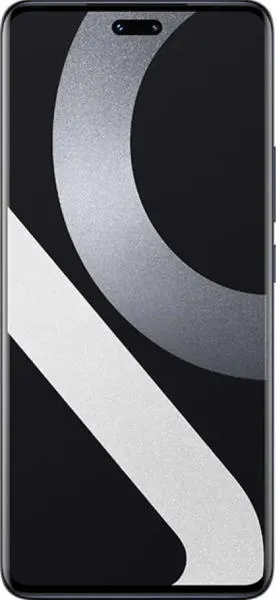
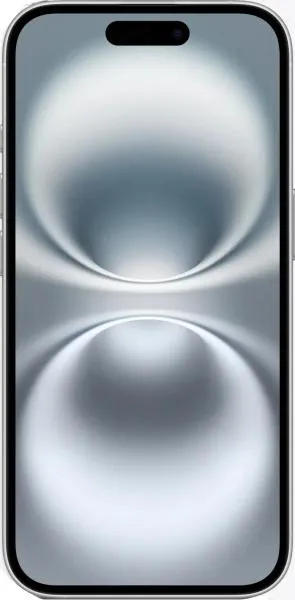
1. Specifications Comparison
| Feature | Xiaomi 13 Lite | Apple iPhone 16 | Practical Impact |
|---|---|---|---|
| Design | |||
| Dimensions (mm) | 159.2 x 72.7 x 7.2 | 147.6 x 71.6 x 7.8 | iPhone 16 is noticeably smaller and slightly thicker. More pocketable, but potentially less comfortable for extended one-handed use due to narrower width. |
| Weight (g) | 171 | 170 | Negligible weight difference; both feel light. |
| Display | |||
| Size (inches) | 6.55 | 6.1 | Xiaomi offers a larger screen for more immersive media consumption and multitasking. iPhone 16 is more compact for one-handed use. |
| Resolution (px) | 1080 x 2400 | 1179 x 2556 | iPhone 16 has a sharper display due to higher pixel density (460 ppi vs 402 ppi). Text and images will appear crisper on the iPhone. |
| Display Type | AMOLED | Super Retina XDR OLED | Both are OLED, offering vibrant colors and deep blacks. "Super Retina XDR" branding suggests potential enhancements in brightness/contrast on the iPhone but lacks specific data for direct comparison. |
| Refresh Rate (Hz) | 120 | Not specified | 120Hz on Xiaomi provides smoother scrolling and animations. Lack of refresh rate info for the iPhone 16 hinders comparison. |
| Peak Brightness (nits) | 1000 (typical), 1000 (peak) | 1000 (typical), 2000 (HBM) | iPhone 16 boasts significantly higher peak brightness in HDR mode (HBM), ensuring better visibility in direct sunlight. |
| Performance | |||
| Chipset | Snapdragon 7 Gen 1 (4 nm) | Apple A18 (3 nm) | A18 is expected to significantly outperform the Snapdragon 7 Gen 1, providing faster processing and better graphics performance. The 3nm process suggests superior power efficiency on the A18. |
| CPU | Octa-core (1x2.4 GHz Cortex-A710 & 3x2.36 GHz Cortex-A710 & 4x1.8 GHz Cortex-A510) | Hexa-core (2x4.04 GHz + 4x2.20 GHz) | A18's higher clock speeds and Apple's chip design expertise point towards significantly faster performance in demanding tasks and multitasking. |
| GPU | Adreno 644 | Apple GPU (5-core graphics) | Apple's custom GPU design generally delivers excellent gaming and graphics performance. Expect smoother and more detailed gaming on the iPhone 16. |
| RAM (GB) | 8 | 8 | Equal RAM; however, iOS's memory management often allows iPhones to perform efficiently even with less RAM compared to Android. |
| Camera | |||
| Main Camera (MP) | 50 (Sony IMX766) | 48 (Sony IMX904) | Both use high-quality Sony sensors. iPhone's slightly larger sensor (1/1.3" vs 1/1.56") potentially captures more light, improving low-light performance. |
| Ultrawide (MP) | 8 | 12 | iPhone 16's ultrawide offers higher resolution and potentially wider field of view, capturing more detail in expansive shots. |
| Selfie Camera (MP) | 32 + 8 (depth) | 12 | Xiaomi boasts higher resolution selfie cameras, potentially capturing more detail. Practical impact depends on individual selfie usage and image processing algorithms. |
| Video Recording | Up to 4K@30fps, 720p@960fps | Up to 4K@60fps, 1080p@240fps | iPhone 16 offers superior video recording capabilities with higher resolution and frame rate options, including slow-motion capture at 240fps. |
| Battery | |||
| Capacity (mAh) | 4500 | 3561 | Xiaomi has a significantly larger battery, potentially offering longer battery life. Real-world usage will depend on factors like display size and processor efficiency. |
| Fast Charging (W) | 67 | 25 | Xiaomi supports much faster wired charging, minimizing downtime. iPhone's 25W charging is comparatively slower. |
2. Key Differences Analysis
Xiaomi 13 Lite Advantages:
- Larger Display: Better for media consumption and multitasking.
- Higher Refresh Rate: Smoother user interface experience.
- Larger Battery: Potentially longer battery life.
- Faster Charging: Less downtime.
- Lower Price: Expected to be more affordable.
iPhone 16 Advantages:
- Significantly Faster Performance: More responsive and capable for demanding tasks and gaming.
- Sharper Display: Crisper text and images.
- Higher Peak Brightness: Better outdoor visibility.
- Superior Camera Features: Potentially better low-light photos and videos, higher quality slow-motion recording.
3. User Profiles & Recommendations
Xiaomi 13 Lite: Ideal for users who prioritize a large display, long battery life, fast charging, and value for money. Suitable for media consumption, social media, and general everyday use.
iPhone 16: Best suited for users who demand top-tier performance, a premium camera system, and a polished software experience (iOS). Ideal for power users, gamers, and content creators.
4. Decision Framework
Key Questions for Buyers:
- What is your budget? The Xiaomi 13 Lite is likely to be significantly cheaper.
- What is your primary use case? Gaming and demanding tasks favor the iPhone 16. Media consumption and general use might favor the Xiaomi's larger display and battery.
- Which operating system do you prefer? Android vs. iOS is a matter of personal preference.
My Choice: Apple iPhone 16
While the Xiaomi 13 Lite offers a compelling package with its large display, long battery life, and fast charging, the iPhone 16's superior performance, sharper display, and advanced camera system make it the better overall choice for me. The A18 chip's significant performance advantage is crucial for long-term usability and future-proofing. I prioritize a smooth and responsive experience, especially for demanding tasks and gaming, where the iPhone 16 is expected to excel. While the smaller battery is a trade-off, iOS's optimization generally results in good battery life despite lower capacity. The higher price tag is justified by the overall performance and quality offered by the iPhone 16.
