1. Specifications Comparison
| Feature | Xiaomi 13 Lite | Apple iPhone 15 Pro Max | Practical Impact |
|---|---|---|---|
| Design | |||
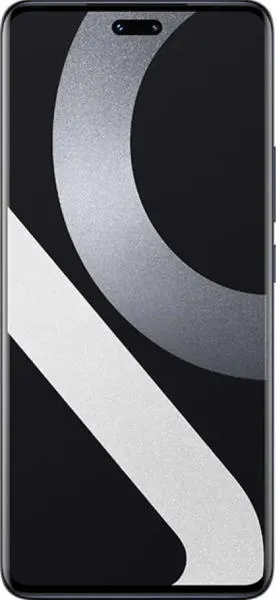
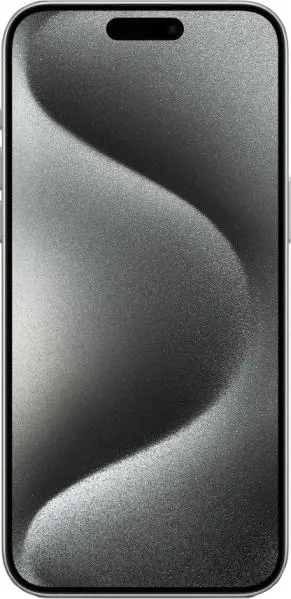
| Dimensions (mm) | 159.2 x 72.7 x 7.2 | 159.9 x 76.7 x 8.3 | iPhone 15 Pro Max is slightly larger and noticeably thicker. |
| Weight (g) | 171 | 221 | Xiaomi 13 Lite is significantly lighter, more comfortable for extended use. |
| Build Materials | Not specified | Titanium frame | iPhone boasts superior durability with its titanium frame. Lack of Xiaomi's build material info hinders comprehensive comparison. |
| Display | |||
| Display Type | AMOLED | LTPO Super Retina XDR OLED | Both offer excellent visuals; LTPO allows for dynamic refresh rate on iPhone, potentially saving battery. |
| Size (inches) | 6.55 | 6.7 | iPhone has a slightly larger screen, providing more immersive content consumption. |
| Resolution | 1080 x 2400 | 1290 x 2796 | iPhone has a sharper display with higher pixel density. |
| Refresh Rate (Hz) | 120 | 120 | Both offer smooth scrolling and animations. |
| Peak Brightness (nits) | 1000 | 2000 | iPhone's display is significantly brighter, improving outdoor visibility. |
| Performance | |||
| Chipset | Snapdragon 7 Gen 1 | Apple A17 Pro | A17 Pro is expected to significantly outperform the Snapdragon 7 Gen 1 in speed and efficiency. |
| CPU | Octa-core | Hexa-core | Core configuration difference is less important than overall chip performance; A17 Pro likely superior. |
| GPU | Adreno 644 | Apple GPU (6-core) | A17 Pro's GPU is expected to deliver superior graphics performance for demanding games and applications. |
| RAM (GB) | 8 | 8 | Both have sufficient RAM for multitasking, though iOS and Android manage RAM differently. |
| Camera | |||
| Main Camera (MP) | 50 | 48 | Megapixel count doesn't tell the whole story; image quality depends on sensor size, processing, and other factors. |
| Ultrawide (MP) | 8 | 12 | iPhone offers a higher resolution ultrawide lens. |
| Telephoto (MP) | N/A | 12 | iPhone 15 Pro Max features a dedicated telephoto lens for optical zoom, lacking in Xiaomi. |
| DxOMark Score | Not available | 154 (Overall Rear) | DxOMark provides a benchmark for camera quality, suggesting the iPhone 15 Pro Max has a superior camera system. |
| Battery | |||
| Capacity (mAh) | 4500 | 4441 | Xiaomi has a slightly larger battery capacity, but real-world battery life depends heavily on optimization. |
| Fast Charging (W) | 67 | 27 | Xiaomi supports significantly faster wired charging. |
| Wireless Charging | Not specified | Yes (MagSafe and Qi) | iPhone supports wireless charging, providing added convenience. |
2. Key Differences Analysis
Xiaomi 13 Lite Advantages:
- Lighter and More Affordable: Significantly lighter and less expensive.
- Faster Wired Charging: Charges much quicker than the iPhone.
Apple iPhone 15 Pro Max Advantages:
- Superior Performance: A17 Pro chip offers significant performance gains.
- Premium Build and Display: Titanium frame and brighter, sharper LTPO display.
- Advanced Camera System: Higher quality camera system with telephoto lens and better overall performance according to DxOMark.
- Wireless Charging: Offers convenient wireless charging.
Trade-offs:
- Price: The iPhone 15 Pro Max is significantly more expensive.
- Weight: The iPhone 15 Pro Max is considerably heavier.
3. User Profiles & Recommendations
Xiaomi 13 Lite:
- Budget-conscious users: Prioritize affordability and value.
- Users who value lightness: Prefer a phone that's comfortable to hold for extended periods.
- Light to moderate users: Primarily use their phone for basic tasks like social media, browsing, and casual photography.
Apple iPhone 15 Pro Max:
- Power users: Demand top-tier performance for gaming, demanding apps, and content creation.
- Photography enthusiasts: Prioritize a high-quality camera system with versatile lenses.
- Users who value premium features: Appreciate the benefits of a superior display, durable build, and wireless charging.
4. Decision Framework
Key Questions for Buyers:
- What is your budget? The price difference is substantial.
- What are your primary use cases? Prioritize performance and camera, or affordability and lightness?
- What features are most important to you? Consider display quality, charging speed, build materials, and operating system preferences.
My Choice: Apple iPhone 15 Pro Max
While the Xiaomi 13 Lite offers excellent value for its price, the iPhone 15 Pro Max's superior performance, camera system, and premium features are more compelling to me. The A17 Pro chip's significant performance advantage ensures a smooth user experience for years to come, and the advanced camera system opens up creative possibilities. Although the higher price and increased weight are drawbacks, the overall package offered by the iPhone 15 Pro Max aligns better with my needs and priorities for a long-term smartphone investment. I prioritize performance, a top-tier camera, and a premium user experience, and I'm willing to pay the premium for those features.
