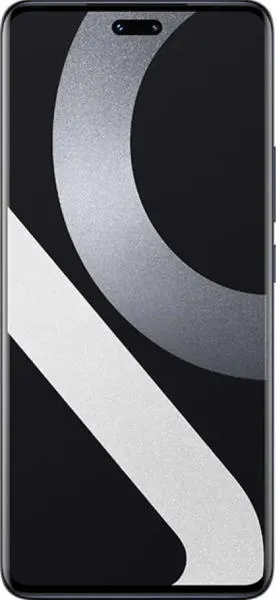
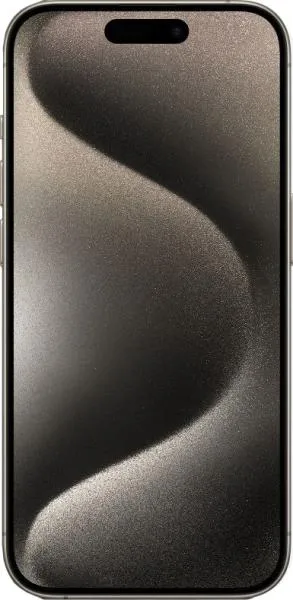
1. Specifications Comparison
| Feature | Xiaomi 13 Lite | Apple iPhone 15 Pro | Practical Impact |
|---|---|---|---|
| Design | |||
| Dimensions (mm) | 159.2 x 72.7 x 7.2 | 146.6 x 70.6 x 8.3 | iPhone 15 Pro is noticeably smaller and slightly thicker. More pocketable, but potentially less comfortable for large hands. |
| Weight (g) | 171 | 187 | iPhone 15 Pro is heavier, potentially noticeable in extended use. |
| Build Materials | Not specified | Titanium frame | Durability and premium feel advantage to iPhone, although Xiaomi's materials are unknown. |
| Display | |||
| Display Size (inches) | 6.55 | 6.1 | Larger display on Xiaomi offers more screen real estate for media consumption but less one-handed usability. |
| Resolution | 1080 x 2400 | 1179 x 2556 | Higher resolution on iPhone results in sharper text and images. |
| Display Type | AMOLED | LTPO Super Retina XDR OLED | Both are high-quality OLED displays; LTPO on iPhone allows for dynamic refresh rate, potentially saving battery. |
| Peak Brightness (nits) | 1000 (typical), 2000 (HBM) | 1000 (typical), 2000 (HBM) | Similar peak brightness ensures good outdoor visibility on both. |
| Refresh Rate (Hz) | 120 | 120 | Both offer smooth scrolling and animations. |
| Performance | |||
| Chipset | Snapdragon 7 Gen 1 (4 nm) | Apple A17 Pro (3 nm) | A17 Pro significantly outperforms Snapdragon 7 Gen 1 in benchmarks, translating to faster app loading, smoother multitasking, and better gaming performance. |
| CPU | Octa-core | Hexa-core | Specific core configurations listed, but practical impact is best summarized by chipset comparison. A17 is expected to be significantly faster. |
| GPU | Adreno 644 | Apple GPU (6-core) | Apple's custom GPU provides a significant advantage in graphics performance for demanding games and tasks. |
| RAM | 8GB | 8GB | Similar RAM capacity. However, iOS optimization often allows iPhones to perform well with less RAM than Android counterparts. |
| Camera | |||
| Main Camera (MP) | 50 | 48 | Megapixel count is similar; image quality depends more on sensor size, processing, and other factors. |
| Ultrawide (MP) | 8 | 12 | Higher resolution ultrawide on iPhone likely captures more detail. |
| Telephoto | No | Yes (3x Optical Zoom) | iPhone offers optical zoom for clearer zoomed-in shots, a significant advantage. |
| DXOMark Score | Not available | 154 (Overall Rear) | DXOMark provides a quantitative measure of camera quality, indicating a likely advantage for the iPhone 15 Pro. |
| Battery | |||
| Capacity (mAh) | 4500 | 3274 (Rumored 3650) | Significantly larger battery on Xiaomi suggests longer battery life, although real-world usage varies. Conflicting information on iPhone battery capacity requires clarification. |
| Fast Charging (W) | 67 | 27 | Much faster charging on Xiaomi. |
2. Key Differences Analysis
Xiaomi 13 Lite Advantages:
- Larger Display: More immersive for media consumption.
- Faster Charging: Less downtime.
- Potentially Longer Battery Life: Larger battery capacity suggests longer usage between charges.
- Lower Price: "Medium price" suggests significantly more affordable.
Apple iPhone 15 Pro Advantages:
- Significantly Higher Performance: Smoother multitasking, faster app loading, superior gaming.
- Premium Build Quality: Titanium frame offers durability and a high-end feel.
- Superior Camera System: Higher quality sensors, optical zoom, better low-light performance indicated by DXOMark scores.
- LTPO Display: More power efficient.
- More Mature Software Ecosystem: iOS known for stability and app quality.
Trade-offs:
- Xiaomi sacrifices performance and camera quality for a lower price and larger battery.
- iPhone prioritizes performance, camera, and build quality at a premium price and potentially shorter battery life.
3. User Profiles & Recommendations
Xiaomi 13 Lite:
- Budget-conscious users: Prioritize affordability.
- Media consumers: Value a large display for videos and gaming (though performance limitations may impact gaming experience).
- Casual photographers: Acceptable camera quality for everyday use.
Apple iPhone 15 Pro:
- Power users: Demand top-tier performance for demanding tasks and gaming.
- Photography enthusiasts: Prioritize high-quality camera capabilities.
- Users who value a premium experience: Willing to pay for top-notch build quality and software.
4. Decision Framework
Key Questions for Buyers:
- What is your budget? The price difference is significant.
- What are your primary use cases? (Gaming, photography, media consumption, general use)
- How important are performance and camera quality?
Scenario-Based Recommendations:
- Limited Budget, Casual User: Xiaomi 13 Lite
- Demanding User, High Budget: iPhone 15 Pro
- Photographer on a Budget: Consider other options, potentially a previous generation iPhone Pro.
My Choice: Apple iPhone 15 Pro
While the Xiaomi 13 Lite offers a compelling price and larger battery, the iPhone 15 Pro's superior performance, camera system, and build quality are decisive factors for me. I prioritize a smooth user experience, high-quality photos, and a device that will last. The faster charging of the Xiaomi is appealing, but the overall advantages of the iPhone 15 Pro outweigh this benefit. The significantly improved performance offered by the A17 Pro chip ensures a future-proof device capable of handling demanding tasks for years to come. Although the battery capacity is smaller, the LTPO display mitigates this to some extent. The price premium is justified for the significant advancements in core functionalities.
