1. Specifications Comparison
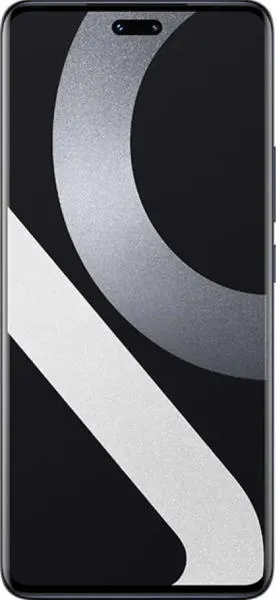
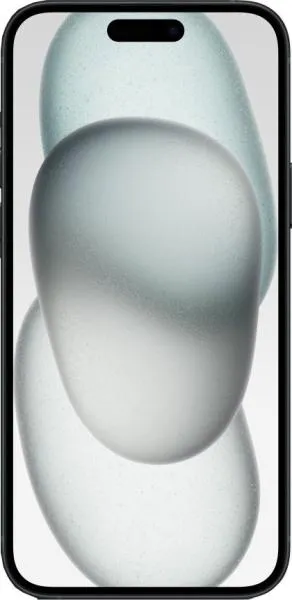
| Feature | Xiaomi 13 Lite | Apple iPhone 15 Plus | Practical Impact |
|---|---|---|---|
| Design | |||
| Dimensions (mm) | 159.2 x 72.7 x 7.2 | 160.9 x 77.8 x 7.8 | iPhone 15 Plus is slightly larger and thicker. |
| Weight (g) | 171 | 201 | Xiaomi 13 Lite is noticeably lighter, more comfortable for extended use. |
| Build Material | Not specified | Not specified | Cannot compare build quality without material information. |
| Display | |||
| Display Size (inches) | 6.55 | 6.7 | iPhone 15 Plus offers a slightly larger screen for more immersive content consumption. |
| Resolution (px) | 1080 x 2400 | 1290 x 2796 | iPhone 15 Plus has a sharper display with higher pixel density (460 ppi vs 402 ppi), resulting in clearer text and images. |
| Display Type | AMOLED | Super Retina XDR OLED | Both are high-quality OLED displays with vibrant colors and deep blacks. Super Retina XDR typically implies higher brightness and contrast. |
| Refresh Rate (Hz) | 120 | Not specified | 120Hz on Xiaomi provides smoother scrolling and animations. Lack of iPhone refresh rate specification hinders comparison. |
| Peak Brightness (nits) | 1000 | 2000 | iPhone 15 Plus boasts significantly higher peak brightness, ensuring better visibility in direct sunlight. |
| Performance | |||
| Chipset | Snapdragon 7 Gen 1 | Apple A16 Bionic | A16 Bionic is a flagship chip known for its superior performance and efficiency compared to the upper mid-range Snapdragon 7 Gen 1. Expect significantly faster processing and smoother multitasking on the iPhone. |
| CPU | Octa-core | Hexa-core | Core count comparison is less meaningful than real-world performance differences dictated by architecture and clock speeds. A16 is expected to outperform significantly. |
| GPU | Adreno 644 | Apple GPU (5-core) | Apple's custom GPU in the A16 offers significantly better graphics performance for demanding games and applications. |
| RAM (GB) | 8 | 6 | While Xiaomi has more RAM, iOS's memory management often allows for efficient performance with less RAM. Real-world usage will determine if this difference is noticeable. |
| Camera | |||
| Main Camera (MP) | 50 | 48 | Megapixel count alone doesn't determine image quality. iPhone 15 Plus has a larger sensor (1/1.5" vs 1/1.56"), potentially capturing more light. |
| Ultrawide (MP) | 8 | 12 | iPhone offers a higher resolution ultrawide camera. |
| Selfie Camera (MP) | 32 | 12 | Xiaomi has a higher resolution front-facing camera. Practical differences depend on image processing. |
| Video Recording | Up to 4K@30fps, 720p@960fps | Up to 4K@60fps, 1080p@240fps | iPhone offers higher resolution and frame rate video recording capabilities, including better slow-motion video. |
| Battery | |||
| Capacity (mAh) | 4500 | 4383 | Similar battery capacities. Real-world battery life depends heavily on software optimization and usage patterns. |
| Fast Charging (W) | 67 | 20 | Xiaomi supports significantly faster charging. |
2. Key Differences Analysis
Xiaomi 13 Lite Advantages:
- Lighter and more compact: More comfortable for one-handed use and extended periods.
- Faster Charging: Significantly reduces charging time.
- Higher Resolution Selfie Camera: Potentially better for video calls and self-portraits.
- 120Hz Refresh Rate: Smoother scrolling and animations.
Apple iPhone 15 Plus Advantages:
- Significantly more powerful: The A16 Bionic chip offers a substantial performance advantage for demanding tasks and gaming.
- Sharper Display: Higher resolution and pixel density result in clearer visuals.
- Brighter Display: Much better outdoor visibility.
- Superior Video Recording: Higher resolution and frame rates, better slow motion.
- Generally Longer Software Support: Apple is known for providing software updates for longer periods.
3. User Profiles & Recommendations
Xiaomi 13 Lite: Users who prioritize a lightweight phone, fast charging, and a high-resolution selfie camera. Best for everyday tasks, social media, and casual gaming. Budget-conscious users will appreciate the lower price.
Apple iPhone 15 Plus: Users who demand top-tier performance, a premium display, and excellent camera capabilities. Ideal for power users, gamers, content creators, and those who value long-term software updates.
4. Decision Framework
Key Questions:
- What is your budget? The iPhone 15 Plus is significantly more expensive.
- What level of performance do you need? For demanding tasks and gaming, the iPhone is the clear winner.
- What are your priorities in a smartphone? (e.g., camera quality, battery life, display, software updates)
Scenario-Based Recommendations:
- Limited Budget, Everyday Use: Xiaomi 13 Lite
- Demanding Tasks, Gaming, Long-Term Use: iPhone 15 Plus
My Choice: Apple iPhone 15 Plus
While the Xiaomi 13 Lite offers a compelling package for its price, the iPhone 15 Plus's superior performance, brighter and sharper display, and longer software support are decisive factors for me. The A16 Bionic chip ensures a smooth and future-proof experience, and Apple's commitment to software updates provides long-term value. Although heavier and more expensive, the overall user experience offered by the iPhone 15 Plus outweighs these drawbacks for my personal needs. I prioritize performance and longevity in a smartphone, and the iPhone 15 Plus delivers on these fronts.
