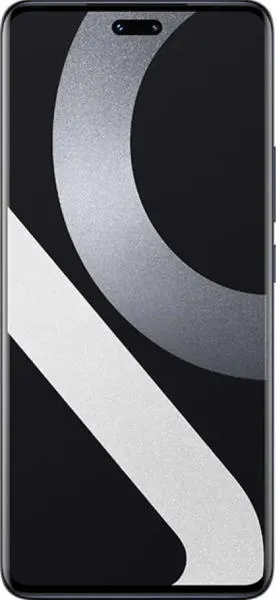
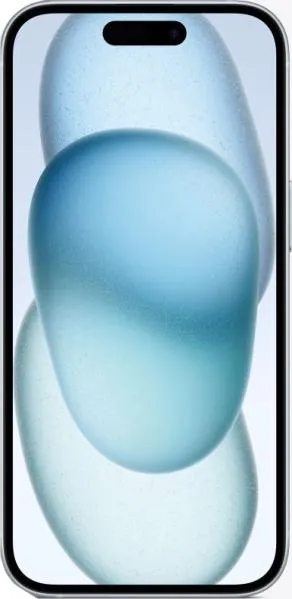
1. Specifications Comparison
| Feature | Xiaomi 13 Lite | Apple iPhone 15 | Practical Impact |
|---|---|---|---|
| Design | |||
| Dimensions (mm) | 159.2 x 72.7 x 7.2 | 147.6 x 71.6 x 7.8 | iPhone 15 is noticeably smaller and slightly thicker. More pocketable, but potentially less comfortable for one-handed use due to width. |
| Weight (g) | 171 | 171 | Identical weight, negating portability differences from dimensions. |
| Build Materials | Not specified | Not specified | Cannot compare build quality and feel. |
| Display | |||
| Display Size (inches) | 6.55 | 6.1 | Xiaomi offers a larger screen for more immersive media consumption but may be less one-hand friendly. |
| Resolution | 1080 x 2400 | 1179 x 2556 | iPhone boasts sharper visuals due to higher pixel density (461 vs 402 PPI). Text and images will appear crisper. |
| Display Type | AMOLED | Super Retina XDR OLED | Both are OLED, offering vibrant colors and deep blacks. iPhone's "Super Retina XDR" branding suggests potential enhancements in brightness and color accuracy. |
| Refresh Rate (Hz) | 120 | Not specified | Higher refresh rate on Xiaomi results in smoother animations and scrolling. Lack of iPhone refresh rate data hinders comparison. |
| Peak Brightness (nits) | 1000 | 2000 | Significantly higher peak brightness on iPhone ensures better visibility in direct sunlight. |
| Performance | |||
| Chipset | Snapdragon 7 Gen 1 | A16 Bionic | A16 is a flagship chip known for superior performance and efficiency compared to the upper mid-range Snapdragon 7 Gen 1. Expect significantly faster processing and smoother gaming on the iPhone. |
| CPU | Octa-core (1x2.4 GHz Cortex-A710 & 3x2.36 GHz Cortex-A710 & 4x1.8 GHz Cortex-A510) | Hexa-core (2x3.46 GHz Everest + 4x2.02 GHz Sawtooth) | iPhone's A16 chip, with its high-performance cores, offers significantly faster processing speeds for demanding tasks. |
| GPU | Adreno 644 | Apple GPU (5-core) | Apple's custom GPU in the A16 delivers superior graphics performance compared to the Adreno 644. Expect significantly better gaming and graphics-intensive application performance on the iPhone. |
| RAM | 8 GB | 6 GB | While Xiaomi has more RAM, iOS's memory management often allows for efficient performance even with less RAM. Real-world multitasking performance differences may be less significant than the numbers suggest. |
| Camera | |||
| Main Camera (MP) | 50 | 48 | Megapixel count is similar. Image quality will depend more on sensor size, processing, and aperture. |
| Aperture (Main) | f/1.8 | f/1.6 | Wider aperture on iPhone allows for better low-light performance and greater depth of field control. |
| Video Recording | Up to 4K@30fps, 720p@960fps | Up to 4K@60fps, 1080p@240fps | iPhone offers higher resolution and frame rate video recording capabilities, including better slow-motion options. |
| Battery | |||
| Capacity (mAh) | 4500 | 3877 (Rumored) | Xiaomi has a larger battery capacity suggesting potentially longer battery life. However, real-world usage depends on various factors including software optimization. Treat iPhone capacity with caution as it's rumored. |
| Fast Charging | 67W | 20W | Xiaomi supports significantly faster charging, minimizing downtime. |
2. Key Differences Analysis
Xiaomi 13 Lite Advantages:
- Larger Display: More immersive for media consumption.
- Faster Refresh Rate: Smoother scrolling and animations.
- Larger Battery: Potentially longer battery life.
- Significantly Faster Charging: Reduced downtime.
Apple iPhone 15 Advantages:
- Significantly Faster Performance: A16 Bionic chip delivers a superior user experience for demanding tasks and gaming.
- Sharper Display: Higher resolution and pixel density provide crisper visuals.
- Brighter Display: Enhanced outdoor visibility.
- Better Camera Features: Superior low-light photography and video recording capabilities.
Trade-offs:
- Xiaomi: Larger display might be less pocketable. Performance significantly trails the iPhone.
- iPhone: Smaller battery capacity may result in shorter battery life. Significantly more expensive. Slower charging speeds.
3. User Profiles & Recommendations
Xiaomi 13 Lite: Suited for budget-conscious users who prioritize a large display, long battery life, and fast charging. Ideal for media consumption, social media, and casual gaming.
Apple iPhone 15: Best for users who demand top-tier performance, a premium camera system, and a vibrant display. Ideal for power users, mobile gamers, photographers, and videographers.
4. Decision Framework
Key Questions:
- What is your budget? The iPhone 15 is considerably more expensive.
- What are your performance needs? For demanding tasks and gaming, the iPhone 15 is significantly better.
- What are your priorities? Larger display and battery vs. performance and camera quality.
My Choice: Apple iPhone 15
While the Xiaomi 13 Lite offers a compelling package for its price, the iPhone 15's superior performance, camera system, and brighter, sharper display are decisive factors for me. The A16 Bionic chip ensures a smooth and responsive user experience for years to come, a crucial aspect for long-term satisfaction. Although the battery capacity is smaller (and rumored), Apple's optimization often mitigates this difference in real-world usage. The faster refresh rate on the Xiaomi is tempting, but the overall performance difference makes the iPhone 15 the better choice for my needs. I prioritize a fluid user experience and high-quality camera, and am willing to pay the premium for the iPhone to achieve that.
