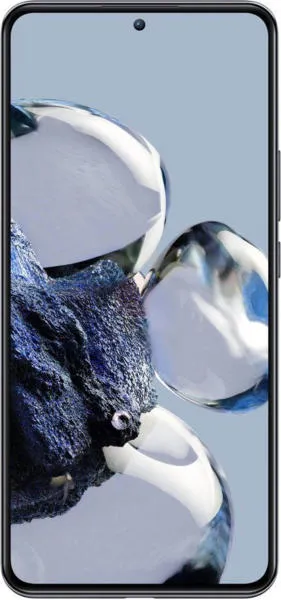

Xiaomi 12T Pro vs. ZTE nubia Z60 Ultra: A Deep Dive for the Discerning Smartphone User
Let's cut through the marketing jargon and dissect the Xiaomi 12T Pro and the ZTE nubia Z60 Ultra, focusing on what truly matters: how these phones perform in the real world. As a tech journalist with an engineering background, I'll break down the specs and translate them into practical insights, helping you choose the perfect device.
1. Specifications Breakdown
| Feature | Xiaomi 12T Pro | ZTE nubia Z60 Ultra | Real-World Implications |
|---|---|---|---|
| Design | |||
| Dimensions (mm) | 163.1 x 75.9 x 8.6 | 164 x 76.4 x 8.8 | Z60 Ultra slightly larger, may feel less comfortable in hand. |
| Weight (g) | 205 | 246 | Z60 Ultra noticeably heavier, potentially impacting one-handed use. |
| Display | |||
| Size (inches) | 6.67 | 6.8 | Z60 Ultra offers a marginally larger screen. |
| Resolution (px) | 1220 x 2712 | 1116 x 2480 | 12T Pro has a sharper display due to higher pixel density, resulting in crisper text and images. |
| Refresh Rate (Hz) | 120 | 120 | Both offer smooth scrolling and animations. |
| Panel Type | AMOLED | AMOLED | Both deliver vibrant colors and deep blacks. |
| Peak Brightness | 900 nits (typ), 1200 nits(peak) | 1500 nits | Z60 Ultra significantly brighter, improving outdoor visibility. |
| Performance | |||
| Chipset | Snapdragon 8+ Gen 1 | Snapdragon 8 Gen 3 | Z60 Ultra boasts a newer, more powerful processor, leading to superior performance and efficiency. |
| RAM (GB) | 8/12 | 8/12/16/24 | Z60 Ultra offers configurations with more RAM for enhanced multitasking. |
| Camera | |||
| Main Sensor (MP) | 200 | 54 | 12T Pro boasts higher megapixel count, Z60 Ultra uses a larger sensor (Sony IMX800) for potentially better low-light performance. |
| Ultrawide (MP) | 8 | 50 | Z60 Ultra offers a significantly more capable ultrawide camera. |
| Battery Life | |||
| Capacity (mAh) | 5000 | 6000 | Z60 Ultra has a larger battery, likely translating to longer usage time. |
| Charging | 125W HyperCharge | 80W | 12T Pro charges significantly faster. |
2. Key Insights
The Xiaomi 12T Pro excels in raw speed of charging and boasts a higher resolution display for incredibly sharp visuals. Its 200MP main camera sensor, while potentially overkill for most users, offers impressive detail capture capabilities. However, its ultrawide camera is a significant weakness compared to the competition.
The ZTE nubia Z60 Ultra shines with its cutting-edge Snapdragon 8 Gen 3 processor, promising a significant performance leap. The larger battery capacity suggests longer endurance, and the inclusion of a much stronger 50MP ultrawide camera addresses a key weakness of the 12T Pro. While it has a lower resolution screen, the superior peak brightness will be a boon for outdoor use. The slower charging speed is a trade-off for the larger battery.
3. User Profiles and Recommendations
Xiaomi 12T Pro: Ideal for users who prioritize a sharp display, blazing-fast charging, and a high-resolution main camera. Content consumers who watch a lot of videos or play graphically demanding games will appreciate the high refresh rate and crisp display.
ZTE nubia Z60 Ultra: Best suited for power users who demand top-tier performance, a brighter display for outdoor use, excellent all-around camera capabilities (including ultrawide), and longer battery life. The extra RAM options cater to heavy multitaskers.
4. Buying Decision Framework
- What is your budget? The Z60 Ultra is generally more expensive.
- Is top-tier performance or faster charging more important? The Z60 Ultra wins on performance, the 12T Pro on charging speed.
- Do you prioritize a sharper display or brighter display? The 12T Pro boasts sharpness, the Z60 Ultra excels in brightness.
My Choice: The ZTE nubia Z60 Ultra
While the Xiaomi 12T Pro impresses with its 200MP camera and incredibly fast charging, I'd choose the ZTE nubia Z60 Ultra. The latest generation Snapdragon processor, coupled with the significantly improved ultrawide camera and larger battery, make it a more compelling overall package for my needs. As a tech enthusiast, I value future-proof performance and a well-rounded camera system, and the Z60 Ultra delivers on both fronts. The brighter screen is also a major plus for outdoor use. While the 12T Pro's faster charging is tempting, the Z60 Ultra's larger battery capacity offsets this for me, as I prioritize all-day endurance over rapid top-ups.
