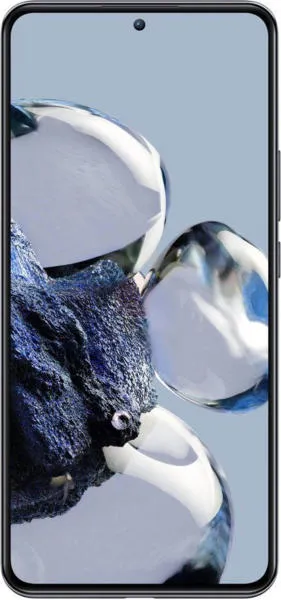
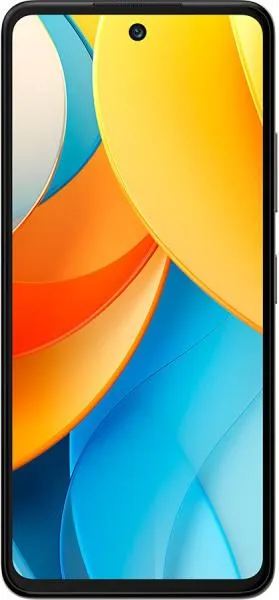
Xiaomi 12T Pro vs. ZTE Blade V60 Design: A Comparative Analysis
The smartphone market offers a dizzying array of choices, and deciding between two seemingly similar devices can be challenging. Today, we'll dissect the Xiaomi 12T Pro and the ZTE Blade V60 Design, two phones targeting different price points and user needs. By examining their specifications and translating them into real-world implications, we'll empower you to choose the device that best fits your lifestyle.
1. Specifications Breakdown
| Feature | Xiaomi 12T Pro | ZTE Blade V60 Design | Real-World Implications |
|---|---|---|---|
| Design | |||
| Dimensions (mm) | 163.1 x 75.9 x 8.6 | 164.2 x 75.3 x 8.6 | Virtually identical in size; both should feel comfortable in hand. |
| Weight (g) | 205 | 198 | Negligible difference in weight; both are relatively light for their size. |
| Build Materials | Glass front, aluminum frame | Plastic back | The 12T Pro offers a more premium feel with its glass and metal construction, while the V60 Design prioritizes affordability with a likely plastic build, potentially impacting durability. |
| Display | |||
| Display Type | AMOLED | IPS LCD | The 12T Pro's AMOLED delivers vibrant colors, deeper blacks, and better power efficiency. The V60 Design's IPS LCD is generally less vibrant and consumes more power. |
| Resolution | 1220 x 2712 | 720 x 1612 | The 12T Pro boasts significantly sharper visuals due to its higher resolution, enhancing media consumption and overall clarity. The V60 Design's lower resolution might appear pixelated in comparison. |
| Refresh Rate | 120Hz | 90Hz | The 12T Pro's 120Hz display provides smoother scrolling and animations, resulting in a more fluid user experience. The V60 Design's 90Hz is also smooth, but not as noticeably so. |
| Performance | |||
| Chipset | Snapdragon 8+ Gen 1 | Unisoc T606 | The 12T Pro's flagship Snapdragon chip delivers significantly faster performance across all tasks, including demanding gaming and multitasking. The V60 Design's Unisoc chip targets basic usage. |
| RAM | 8/12GB | 4/6GB | More RAM in the 12T Pro allows for seamless multitasking and smoother app switching. The V60 Design might experience slowdowns with multiple apps open. |
| Camera | |||
| Main Camera | 200MP | 50MP | While megapixels aren't everything, the 12T Pro's 200MP sensor potentially captures more detail and offers greater flexibility for cropping. The V60 Design's 50MP sensor is decent for everyday shots. |
| Video Recording | 8K@24fps | 1080p@30fps | The 12T Pro offers superior video recording capabilities with much higher resolution and frame rates, resulting in significantly better video quality. |
| Battery Life | |||
| Battery Capacity | 5000mAh | 5000mAh | Similar battery capacities suggest comparable battery life, but the 12T Pro's more efficient AMOLED display and processor could result in longer usage times. |
2. Key Insights
The Xiaomi 12T Pro is a performance-oriented device with a premium display, powerful processor, and impressive camera capabilities. It excels in demanding tasks, gaming, and media consumption.
The ZTE Blade V60 Design, on the other hand, is a budget-friendly option prioritizing affordability over top-tier specifications. It's designed for users with basic needs like calling, texting, web browsing, and light social media usage.
3. User Profiles and Recommendations
Xiaomi 12T Pro: Ideal for power users, gamers, photographers, and videographers who demand top-tier performance, a stunning display, and advanced camera features.
ZTE Blade V60 Design: Suitable for budget-conscious users who prioritize affordability and essential functionality over cutting-edge performance. Good for light users or as a secondary device.
4. Buying Decision Framework
- What is your budget? The 12T Pro sits in the medium price range, while the V60 Design is a low-cost option.
- What are your primary use cases? Demanding tasks and media consumption favor the 12T Pro, while basic communication and light usage align with the V60 Design.
- How important are camera and display quality? The 12T Pro significantly outperforms the V60 Design in both areas.
Scenario: A student on a tight budget needing a phone for communication and occasional social media would find the V60 Design sufficient. A professional photographer, however, would require the 12T Pro's superior camera and processing power.
My Choice: Xiaomi 12T Pro
If I were choosing between these two phones, I'd opt for the Xiaomi 12T Pro. While the ZTE Blade V60 Design offers excellent value for its price, my workflow demands the performance and features that the 12T Pro delivers. The superior display, powerful processor, and advanced camera system are essential for my work as a tech journalist. The smoother refresh rate and overall responsiveness of the 12T Pro would significantly enhance my daily productivity and allow me to seamlessly test and analyze demanding applications. While the price difference is notable, the long-term benefits of a more capable device outweigh the initial cost for my specific needs.
