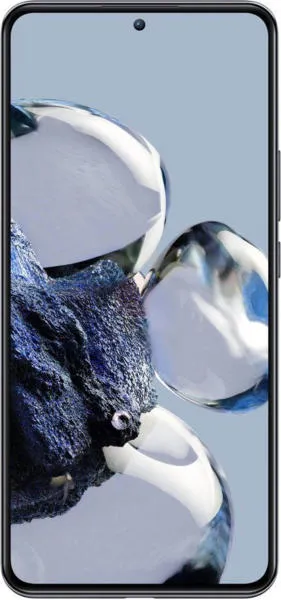
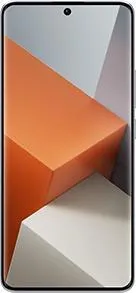
Xiaomi 12T Pro vs. Xiaomi Redmi Note 13 Pro+: A Deep Dive
Let's dissect the Xiaomi 12T Pro and the Redmi Note 13 Pro+, two compelling devices vying for your attention in the mid-range smartphone arena. I'll break down their specs, analyze their real-world performance, and guide you toward the phone that best fits your needs.
1. Specifications Breakdown
| Feature | Xiaomi 12T Pro | Xiaomi Redmi Note 13 Pro+ | Real-World Implications |
|---|---|---|---|
| Design | |||
| Dimensions (mm) | 163.1 x 75.9 x 8.6 | 161.4 x 74.2 x 8.9 | 12T Pro slightly taller and thinner; negligible difference in hand. |
| Weight (g) | 205 | 199 | Virtually identical; both feel substantial without being overly heavy. |
| Display | |||
| Size (inches) | 6.67 | 6.67 | Identical screen real estate. |
| Resolution (px) | 1220 x 2712 | 1220 x 2712 | Same sharp resolution; crisp text and visuals on both. |
| Type | AMOLED | AMOLED C7 Material | Both offer vibrant colors and deep blacks. Redmi Note 13 Pro+ has increased brightness |
| Refresh Rate (Hz) | 120 | 120 | Smooth scrolling and animations on both. |
| Peak Brightness (nits) | 900 | 1800 | Redmi Note 13 Pro+ significantly brighter outdoors. |
| Performance | |||
| Chipset | Snapdragon 8+ Gen 1 | Dimensity 7200 Ultra | 12T Pro boasts flagship-level performance; noticeable in demanding tasks. |
| CPU | Octa-core (1x3.19 GHz Cortex-X2 & 3x2.75 GHz Cortex-A710 & 4x2.0 GHz Cortex-A510) | Octa-core (2x2.8 GHz Cortex-A715 & 6x2.0 GHz Cortex-A510) | 12T Pro has a slight edge in CPU performance due to faster clock speeds and core configuration. |
| GPU | Adreno 730 | Mali-G610 MC4 | 12T Pro offers superior graphics performance for gaming and media consumption. |
| RAM (GB) | 8/12 | 8/12/16 | Both offer ample RAM for multitasking; 13 Pro+ offers a 16GB option for extreme users. |
| Camera | |||
| Main Sensor (MP) | 200 | 200 | High resolution on both; image quality depends on processing and sensor specifics. |
| Main Sensor Model | Samsung ISOCELL HP1 | Samsung ISOCELL HP3 | 13 Pro+ has a newer generation sensor with potential for improved low-light performance and dynamic range. |
| Video | 8K@24fps | 4K@30fps | 12T Pro offers higher resolution video recording. |
| Battery Life | |||
| Capacity (mAh) | 5000 | 5000 | Similar battery capacity; actual battery life depends on usage patterns. |
2. Key Insights
Performance Powerhouse: The 12T Pro, with its Snapdragon 8+ Gen 1, delivers a noticeably smoother and faster experience, especially for gaming, intensive multitasking, and demanding applications. The Redmi Note 13 Pro+'s Dimensity 7200 Ultra is capable, but not in the same league. Think of it like this: the 12T Pro is a sports car built for speed, while the Redmi Note 13 Pro+ is a reliable sedan that gets you where you need to go.
Display Delight: Both phones sport beautiful AMOLED displays with 120Hz refresh rates, ensuring fluid visuals. However, the Redmi Note 13 Pro+ significantly outshines the 12T Pro with its exceptional peak brightness of 1800 nits, making it far more usable in direct sunlight.
Camera Conundrum: Both phones boast 200MP main sensors, but megapixels don't tell the whole story. The Redmi Note 13 Pro+ utilizes a newer generation sensor (Samsung ISOCELL HP3), potentially offering better low-light performance and dynamic range. However, the 12T Pro's proven track record in image processing and its ability to record 8K video give it a competitive edge.
3. User Profiles and Recommendations
Xiaomi 12T Pro: Ideal for power users, gamers, and those who prioritize raw performance and a premium feel. If you frequently edit photos and videos or play graphically demanding games, the 12T Pro's extra horsepower will be well appreciated.
Xiaomi Redmi Note 13 Pro+: Best suited for users who value a bright, vibrant display for media consumption, excellent battery life, and a capable camera system. The exceptionally bright screen makes it perfect for outdoor use.
4. Buying Decision Framework
- What's your budget? While both are mid-range, prices can vary. Consider storage options and factor in any potential discounts.
- What are your primary use cases? Gaming, photography, social media, or general productivity? Each phone caters to different needs.
- How important is raw performance? The 12T Pro offers a significant performance advantage, but if your usage is less demanding, the Redmi Note 13 Pro+'s other strengths might be more appealing.
My Choice: The Xiaomi 12T Pro
While the Redmi Note 13 Pro+'s display brightness and newer main camera sensor are tempting, I'd choose the Xiaomi 12T Pro. As a tech enthusiast who often pushes devices to their limits, the superior performance offered by the Snapdragon 8+ Gen 1 is crucial. I value the smooth, lag-free experience in demanding applications and games. The ability to record 8K video, though rarely used, adds another layer of future-proofing. While the Redmi Note 13 Pro+ offers an exceptional display for media consumption, my priority lies in having a device that can handle anything I throw at it, and the 12T Pro delivers on that promise. The slightly dimmer display is a trade-off I'm willing to make for the significant performance boost.
