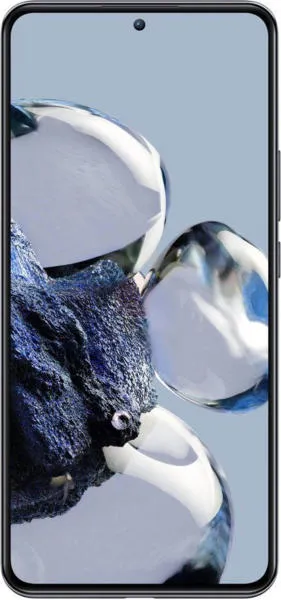
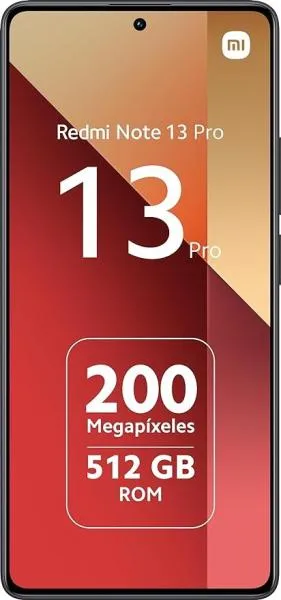
Xiaomi 12T Pro vs. Redmi Note 13 Pro 4G: A Deep Dive
Hello fellow tech explorers! Today, we're dissecting two compelling contenders from Xiaomi: the powerhouse 12T Pro and the value-packed Redmi Note 13 Pro 4G. Let's cut through the marketing fluff and uncover what these phones really offer.
1. Specifications Breakdown
| Feature | Xiaomi 12T Pro | Xiaomi Redmi Note 13 Pro 4G | Real-World Implications |
|---|---|---|---|
| Design | |||
| Dimensions (mm) | 163.1 x 75.9 x 8.6 | 161.1 x 75 x 8 | 12T Pro slightly larger; negligible difference in hand. |
| Weight (g) | 205 | 188 | Redmi Note 13 Pro noticeably lighter for extended use. |
| Display | |||
| Size (inches) | 6.67 | 6.67 | Identical screen real estate. |
| Resolution | 1220 x 2712 (WQHD+) | 1080 x 2400 (FHD+) | 12T Pro sharper, crisper visuals due to higher pixel density. Noticeable in text, images, and videos. |
| Refresh Rate (Hz) | 120 | 120 | Both offer smooth scrolling and animations. |
| Panel Type | AMOLED, Dolby Vision, HDR10+ | AMOLED | Both boast vibrant colors and deep blacks. 12T Pro supports Dolby Vision and HDR10+ for enhanced content. |
| Performance | |||
| Chipset | Snapdragon 8+ Gen 1 | MediaTek Helio G99 Ultra | 12T Pro significantly faster and more powerful for demanding tasks, gaming, and multitasking. |
| CPU | Octa-core (1x3.19 GHz X2 & 3x2.75 GHz A710 & 4x2.0 GHz A510) | Octa-core (2x2.2 GHz A76 & 6x2.0 GHz A55) | 12T Pro's superior CPU architecture delivers substantial performance gains. |
| GPU | Adreno 730 | Mali-G57 MC2 | 12T Pro offers a much more capable GPU for graphically intensive applications. |
| RAM | 8GB/12GB | 8GB/12GB | Comparable RAM options for multitasking. |
| Camera | |||
| Main Sensor | 200MP Samsung HP1 | 200MP Samsung HP3 | Both pack high-resolution sensors, but image quality depends on processing and other factors. |
| Video | 8K@24fps, 4K@60fps with HDR | 1080p@60fps | 12T Pro capable of much higher resolution video recording. |
| Battery Life | |||
| Capacity (mAh) | 5000 | 5000 | Similar battery capacities; actual battery life depends on usage. |
2. Key Insights
The Xiaomi 12T Pro is a clear performance champion, driven by the flagship Snapdragon 8+ Gen 1. It excels in demanding tasks, gaming, and content creation. The WQHD+ display with Dolby Vision and HDR10+ provides a stunning visual experience.
The Redmi Note 13 Pro 4G, while less powerful, offers incredible value. Its Helio G99 is efficient for daily use and casual gaming. The FHD+ AMOLED display, although not as sharp as the 12T Pro's, still delivers vibrant visuals.
3. User Profiles and Recommendations
Xiaomi 12T Pro: Ideal for power users, gamers, content creators, and those seeking top-tier performance and a premium visual experience.
Redmi Note 13 Pro 4G: Perfect for budget-conscious users, casual gamers, social media enthusiasts, and those prioritizing battery life and affordability. Excellent value for everyday tasks.
4. Buying Decision Framework
- What is your budget? The Redmi Note 13 Pro 4G is significantly more affordable.
- What are your primary smartphone uses? Demanding tasks and gaming favor the 12T Pro; everyday use leans towards the Redmi Note 13 Pro 4G.
- How important is display quality and resolution? The 12T Pro offers a noticeable step up in visual fidelity.
My Choice: As Alex Griffin, I would choose the Xiaomi 12T Pro. While the Redmi Note 13 Pro 4G offers incredible value, I prioritize performance and a top-tier display. The Snapdragon 8+ Gen 1 future-proofs the device for demanding tasks and emerging technologies. The superior screen quality enhances my multimedia consumption and content creation workflow. While the price difference is notable, the 12T Pro's performance advantage aligns better with my needs as a tech journalist who often pushes devices to their limits. The ability to capture 8K video is also a significant factor for my work.
