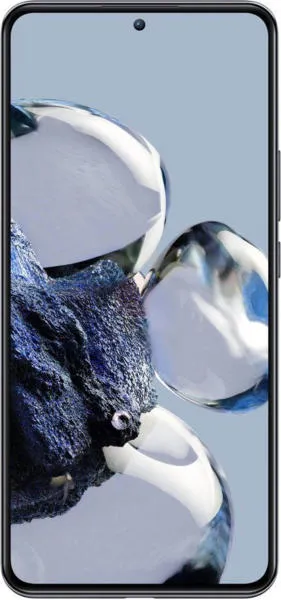
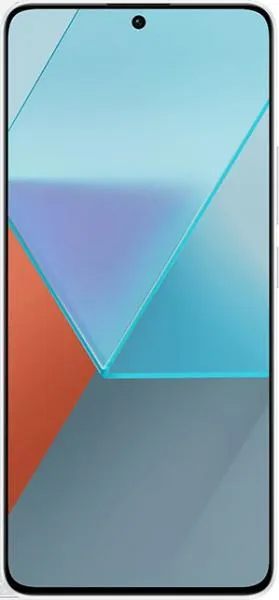
Xiaomi 12T Pro vs. Redmi Note 13 Pro: A Deep Dive
Let's cut through the marketing fluff and dissect the Xiaomi 12T Pro and Redmi Note 13 Pro, focusing on what truly matters: how these phones perform in the real world.
1. Specifications Breakdown
| Feature | Xiaomi 12T Pro | Xiaomi Redmi Note 13 Pro | Real-World Implications |
|---|---|---|---|
| Design | |||
| Dimensions (mm) | 163.1 x 75.9 x 8.6 | 161.2 x 74.2 x 8 | 12T Pro slightly larger, but both are similar in hand feel. Negligible difference in daily use. |
| Weight (g) | 205 | 187 | Redmi Note 13 Pro noticeably lighter, reducing hand fatigue during extended use. |
| Display | |||
| Size (inches) | 6.67 | 6.67 | Identical screen real estate. |
| Resolution | 1220 x 2712 | 1220 x 2712 | Both offer sharp, detailed visuals. |
| Type | AMOLED | AMOLED | Vibrant colors, deep blacks, and excellent contrast on both devices. |
| Refresh Rate (Hz) | 120 | 120 | Smooth scrolling and animations, enhancing responsiveness and gaming experience on both. |
| Peak Brightness | 900 nits (typ), 1200 nits (peak) | 1800 nits (peak) | Redmi Note 13 Pro significantly brighter; better outdoor visibility, HDR content pops more. |
| Performance | |||
| Chipset | Snapdragon 8+ Gen 1 | Snapdragon 7s Gen 2 | 12T Pro boasts flagship-level performance; expect significantly faster speeds, smoother multitasking, and superior gaming capabilities. |
| CPU | Octa-core (1x3.19 GHz Cortex-X2 & 3x2.75 GHz Cortex-A710 & 4x2.0 GHz Cortex-A510) | Octa-core (4x2.4 GHz Cortex-A78 & 4x1.95 GHz Cortex-A55) | 12T Pro's superior CPU architecture and clock speeds translate to noticeably faster app launches, smoother UI, and better handling of demanding tasks. |
| GPU | Adreno 730 | Adreno 710 | 12T Pro offers a more powerful GPU, delivering higher frame rates and smoother gameplay in demanding games. |
| RAM | 8/12 GB | 8/12/16GB | Both offer ample RAM for multitasking; 12/16GB options on the Redmi Note 13 Pro provide headroom for future-proofing. |
| Camera | |||
| Main Sensor | 200MP (Samsung HP1) | 200MP (Samsung HP3) | Both pack high-resolution sensors, but image quality depends on processing; real-world testing needed for definitive comparison. |
| Video Recording | Up to 8K@24fps | Up to 4K@30fps | 12T Pro offers higher resolution video recording, but 4K is generally sufficient for most users. Redmi Note 13 Pro video quality needs further examination. |
2. Key Insights
- Performance Champion: The 12T Pro's Snapdragon 8+ Gen 1 decisively outperforms the Redmi Note 13 Pro's Snapdragon 7s Gen 2. This translates to a smoother, faster experience across the board, especially for demanding tasks and gaming.
- Display Brilliance: While both phones feature AMOLED displays with 120Hz refresh rates, the Redmi Note 13 Pro's significantly higher peak brightness makes a noticeable difference in outdoor readability.
- Camera Showdown: Both boast 200MP main sensors, but sensor generation and image processing will ultimately determine the winner. Real-world image comparisons are crucial. The 12T Pro pulls ahead with its 8K video recording capability.
3. User Profiles and Recommendations
- Xiaomi 12T Pro: Power users, gamers, and anyone prioritizing top-tier performance and a smooth, lag-free experience will appreciate the 12T Pro.
- Redmi Note 13 Pro: Users seeking excellent value, a vibrant display for media consumption, and solid everyday performance without breaking the bank should consider the Redmi Note 13 Pro. Those prioritizing outdoor visibility will also appreciate its brighter screen.
4. Buying Decision Framework
- Is peak performance your priority? If yes, the 12T Pro is the clear winner.
- What's your budget? The Redmi Note 13 Pro offers compelling value for its price.
- Do you frequently use your phone outdoors? The Redmi Note 13 Pro's brighter display might be a deciding factor.
My Choice: Xiaomi 12T Pro
While the Redmi Note 13 Pro offers an enticing price-to-value ratio and a stunningly bright display, I would choose the Xiaomi 12T Pro. As a tech enthusiast and someone who frequently pushes their phone to its limits with demanding apps and multitasking, the superior performance of the Snapdragon 8+ Gen 1 is crucial. The smoother gaming experience and faster overall responsiveness outweigh the Redmi Note 13 Pro's advantages in brightness and price, for my personal needs. I'm also drawn to the 8K video recording capabilities of the 12T Pro, offering greater creative flexibility. Ultimately, the 12T Pro offers a more future-proof and powerful experience that aligns better with my usage patterns.
