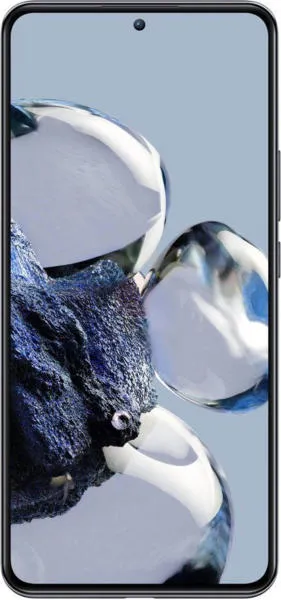
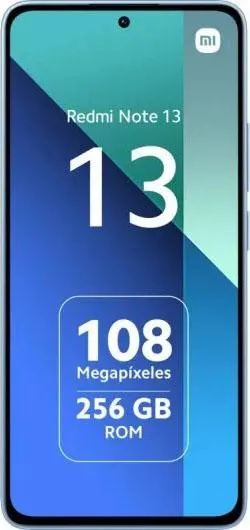
Let's dive into a comparative analysis of the Xiaomi 12T Pro and the Xiaomi Redmi Note 13 4G, dissecting their specifications and translating them into real-world implications for you.
1. Specifications Breakdown
| Feature | Xiaomi 12T Pro | Xiaomi Redmi Note 13 4G | Real-World Implications |
|---|---|---|---|
| Design | |||
| Dimensions (mm) | 163.1 x 75.9 x 8.6 | 162.3 x 75.6 x 8 | 12T Pro slightly taller and thicker. Negligible difference in hand feel for most users. |
| Weight (g) | 205 | 188.5 | Redmi Note 13 noticeably lighter, reducing hand fatigue during extended use. |
| Display | |||
| Size (inches) | 6.67 | 6.67 | Identical screen real estate. |
| Resolution (px) | 1220 x 2712 | 1080 x 2400 | 12T Pro boasts significantly sharper visuals due to higher resolution, especially noticeable in text clarity and image detail. |
| Type | AMOLED | AMOLED | Both offer vibrant colors, deep blacks, and excellent contrast. |
| Refresh Rate (Hz) | 120 | 120 | Both deliver smooth scrolling and animations, enhancing responsiveness and gaming experience. |
| Peak Brightness | 900 nits | 1800 nits | Redmi Note 13 excels in outdoor visibility with a much brighter display. |
| Performance | |||
| Chipset | Snapdragon 8+ Gen 1 | Snapdragon 685 | Massive performance difference. 12T Pro offers flagship-level speed and responsiveness, ideal for demanding tasks and gaming. |
| CPU | Octa-core (1x3.19 GHz Cortex-X2 & 3x2.75 GHz Cortex-A710 & 4x2.0 GHz Cortex-A510) | Octa-core (4x2.8 GHz Cortex-A73 & 4x1.9 GHz Cortex-A53) | 12T Pro's superior CPU architecture translates to significantly faster processing, multitasking, and app loading times. |
| GPU | Adreno 730 | Adreno 610 | 12T Pro's GPU provides a substantial advantage in gaming performance and graphics-intensive applications. |
| RAM (GB) | 8 | 8 | Both offer ample RAM for smooth multitasking, though the 12T Pro's faster processor will handle memory management more efficiently. |
| Camera | |||
| Main Sensor (MP) | 200 | 108 | 12T Pro's higher resolution main sensor potentially captures more detail, particularly in well-lit conditions. |
| Video | 8K@24fps | 1080p@30fps | 12T Pro offers superior video recording capabilities, including 8K resolution and HDR support. |
| Battery Life | |||
| Capacity (mAh) | 5000 | 5000 | Similar battery capacities suggest comparable longevity, though real-world usage will vary depending on individual usage patterns. |
2. Key Insights
Performance: The 12T Pro is a clear winner in terms of raw power, thanks to its flagship Snapdragon 8+ Gen 1 processor. This translates to a significantly smoother and faster experience across all tasks. The Redmi Note 13, with its Snapdragon 685, is more suited for everyday use and less demanding applications.
Display: While both phones feature AMOLED displays with 120Hz refresh rates, the 12T Pro offers a sharper resolution, leading to crisper visuals. Conversely, the Redmi Note 13 boasts significantly higher peak brightness, making it easier to use outdoors in bright sunlight.
Camera: The 12T Pro's 200MP main camera and advanced video recording capabilities position it as the better choice for photography and videography enthusiasts. The Redmi Note 13's 108MP camera is capable, but lacks the high-end features of the 12T Pro.
Price: While both are in the "medium price" range, the 12T Pro generally commands a higher price tag due to its superior specs.
3. User Profiles and Recommendations
Xiaomi 12T Pro: Ideal for power users, gamers, and photography enthusiasts who prioritize top-tier performance, a sharp display, and advanced camera features.
Xiaomi Redmi Note 13 4G: Suited for budget-conscious users who prioritize a vibrant display with excellent outdoor visibility, long battery life, and reliable performance for everyday tasks.
4. Buying Decision Framework
- What is your budget? The 12T Pro is more expensive; determine if the premium features justify the higher cost.
- What are your primary use cases? Gaming and demanding tasks favor the 12T Pro; casual use and media consumption make the Redmi Note 13 a viable option.
- Which features matter most? Prioritize performance and camera? Choose the 12T Pro. Prioritize outdoor visibility and affordability? Opt for the Redmi Note 13.
My Choice: I would choose the Xiaomi 12T Pro. As a tech journalist who frequently uses demanding applications, edits photos and videos, and appreciates a smooth, responsive user experience, the 12T Pro's superior performance, sharper display, and advanced camera capabilities are compelling. While the Redmi Note 13 offers excellent value, the 12T Pro better aligns with my specific needs and priorities. The performance difference between the Snapdragon 8+ Gen 1 and the Snapdragon 685 is significant enough to justify the price difference for my use case.
