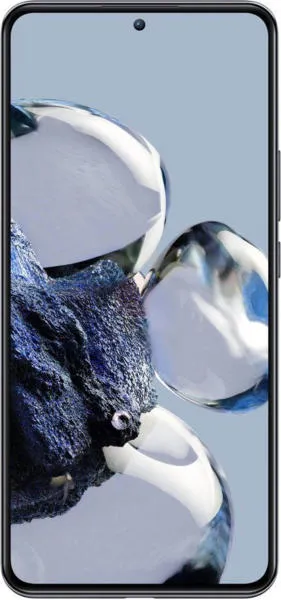
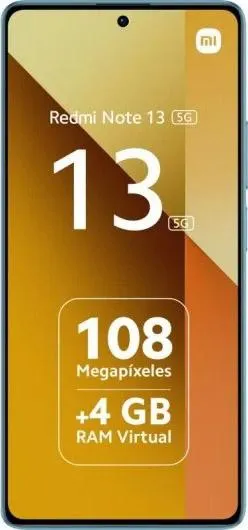
Xiaomi 12T Pro vs. Xiaomi Redmi Note 13: A Deep Dive
Hello fellow tech enthusiasts! Today, we're dissecting two compelling smartphones from Xiaomi: the powerhouse 12T Pro and the value-driven Redmi Note 13. Let's dive deep into their specs, uncover the real-world implications, and see which phone emerges as the champion for different user needs.
1. Specifications Breakdown
| Feature | Xiaomi 12T Pro | Xiaomi Redmi Note 13 | Real-World Implications |
|---|---|---|---|
| Design | |||
| Dimensions (mm) | 163.1 x 75.9 x 8.6 | 161.1 x 75 x 7.6 | 12T Pro slightly larger, but both are large phones. Note 13 is thinner and lighter. |
| Weight (g) | 205 | 174.5 | Note 13 noticeably lighter for one-handed use. |
| Display | |||
| Size | 6.67" | 6.67" | Identical screen sizes. |
| Resolution | 1220 x 2712 (WQHD+) | 1080 x 2400 (FHD+) | 12T Pro sharper, more detailed visuals due to higher resolution. |
| Type | AMOLED, 120Hz, Dolby Vision, HDR10+ | AMOLED, 120Hz | Both offer smooth scrolling and vibrant colors, but 12T Pro boasts superior HDR capabilities. |
| Performance | |||
| Chipset | Snapdragon 8+ Gen 1 | Dimensity 6080 | 12T Pro significantly more powerful for demanding tasks, gaming, and multitasking. |
| CPU | Octa-core (1x3.19 GHz X2 & more) | Octa-core (2x2.4 GHz A76 & more) | 12T Pro's superior core configuration delivers faster processing speeds. |
| GPU | Adreno 730 | Mali-G57 MC2 | 12T Pro offers a much more powerful GPU for enhanced graphics and gaming performance. |
| RAM | 8GB/12GB | 6GB/8GB/12GB | Both offer ample RAM, but 12T Pro's higher configurations enable smoother multitasking. |
| Camera | |||
| Main Sensor | 200MP Samsung HP1 | 108MP Samsung HM6 | 12T Pro boasts higher resolution, potentially capturing more detail. On-sensor binning differs. |
| Video | Up to 8K@24fps | Up to 1080p@30fps | 12T Pro capable of significantly higher resolution video recording. |
| Battery Life | |||
| Capacity | 5000 mAh | 5000 mAh | Identical battery capacity. Real-world battery life depends on usage and optimization. |
2. Key Insights
The Xiaomi 12T Pro is a true flagship contender. Its Snapdragon 8+ Gen 1 processor delivers blazing-fast performance, making it ideal for demanding users and mobile gamers. The stunning WQHD+ AMOLED display with Dolby Vision and HDR10+ support provides an immersive visual experience. While the 200MP camera's real-world benefits over the Note 13's 108MP sensor need further investigation, it promises greater detail capture potential.
The Xiaomi Redmi Note 13, on the other hand, shines in its value proposition. It offers a sleek design, a vibrant AMOLED display with a 120Hz refresh rate, and respectable performance thanks to the Dimensity 6080 chipset. While not a gaming powerhouse, it handles everyday tasks with ease. The 108MP camera, though not as high-resolution as the 12T Pro, still promises impressive image quality for its price range.
3. User Profiles and Recommendations
Xiaomi 12T Pro: Power users, mobile gamers, content creators, and anyone who demands top-tier performance and a premium visual experience.
Xiaomi Redmi Note 13: Budget-conscious users, casual gamers, social media enthusiasts, and those seeking a well-rounded phone with excellent value for money.
4. Buying Decision Framework
- What is your budget? The Redmi Note 13 offers exceptional value in the lower price range, while the 12T Pro commands a premium for its flagship features.
- What are your performance needs? Heavy multitasking, gaming, and demanding apps necessitate the 12T Pro's powerful processor. For everyday tasks, the Note 13 is more than sufficient.
- How important is display quality? While both offer AMOLED and 120Hz, the 12T Pro's higher resolution and HDR capabilities deliver a noticeably superior visual experience.
My Choice: As a tech journalist who pushes devices to their limits and appreciates a premium visual experience, I'd opt for the Xiaomi 12T Pro. The Snapdragon 8+ Gen 1's performance headroom, the brilliant display, and the intriguing 200MP camera are compelling. While the Redmi Note 13 is an excellent value proposition, my workflow demands the raw power and superior display quality of the 12T Pro. The price difference is justified for the significant jump in performance and overall user experience.
