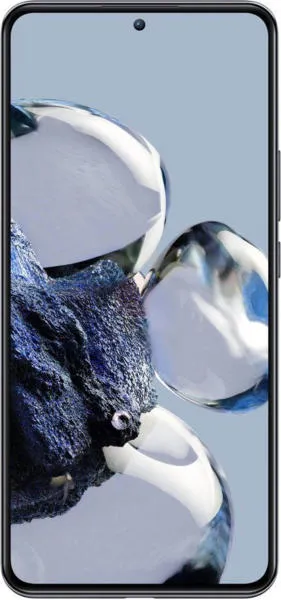
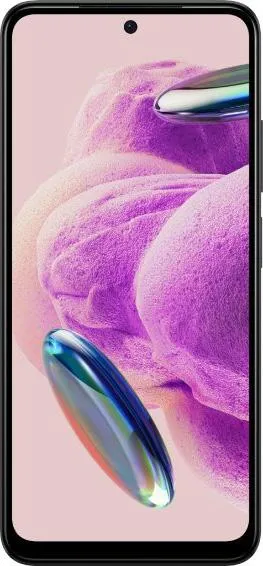
Xiaomi 12T Pro vs. Xiaomi Redmi Note 12S: A Deep Dive
Hello fellow tech enthusiasts! Alex Griffin here, ready to dissect the Xiaomi 12T Pro and the Redmi Note 12S. We'll go beyond the spec sheets to uncover what these phones offer in the real world.
1. Specifications Breakdown
| Feature | Xiaomi 12T Pro | Xiaomi Redmi Note 12S | Real-World Implications |
|---|---|---|---|
| Design | |||
| Dimensions (mm) | 163.1 x 75.9 x 8.6 | 159.9 x 73.9 x 8.1 | 12T Pro slightly larger, but both manageable for one-handed use. |
| Weight (g) | 205 | 176 | Note 12S noticeably lighter, reducing hand fatigue during extended use. |
| Display | |||
| Size (inches) | 6.67 | 6.43 | 12T Pro offers a larger canvas for media consumption and multitasking. |
| Resolution (px) | 1220 x 2712 | 1080 x 2400 | 12T Pro boasts sharper visuals due to higher resolution and pixel density (446 ppi vs 409 ppi). |
| Refresh Rate (Hz) | 120 | 90 | 12T Pro's 120Hz display delivers smoother animations and scrolling, enhancing the overall user experience, particularly in gaming. |
| Display Type | AMOLED | AMOLED | Both offer vibrant colors and deep blacks characteristic of AMOLED technology. 12T Pro supports Dolby Vision and HDR10+ for enhanced video quality. |
| Performance | |||
| Chipset | Snapdragon 8+ Gen 1 | Helio G96 | 12T Pro significantly outperforms the Note 12S in processing power and graphics rendering, enabling demanding tasks and high-end gaming. |
| CPU | Octa-core (3.2 GHz) | Octa-core (2.05 GHz) | 12T Pro's superior CPU architecture and clock speed translates to faster app loading, smoother multitasking, and enhanced responsiveness. |
| GPU | Adreno 730 | Mali-G57 MC2 | 12T Pro's Adreno 730 GPU handles graphically intensive applications and games with greater ease. |
| RAM | 8GB/12GB | 6GB/8GB | 12T Pro offers more RAM options for smoother multitasking and demanding applications. |
| Camera | |||
| Main Camera (MP) | 200 | 108 | 12T Pro's 200MP sensor captures highly detailed images, although real-world performance depends on processing and other factors. |
| Video Recording | 8K@24fps | 1080p@30fps | 12T Pro offers superior video recording capabilities, including 8K resolution and various frame rate options. |
| Battery Life | |||
| Capacity (mAh) | 5000 | 5000 | Similar battery capacities suggest comparable battery life, although real-world usage will vary based on individual usage patterns. |
2. Key Insights
The Xiaomi 12T Pro is a flagship-level device offering top-tier performance, a stunning display, and impressive camera capabilities. Its Snapdragon 8+ Gen 1 processor provides a significant advantage in speed and responsiveness compared to the Redmi Note 12S. The 120Hz AMOLED display with Dolby Vision and HDR10+ support enhances media consumption.
The Redmi Note 12S, on the other hand, is a mid-range contender prioritizing affordability. While it can't match the 12T Pro's raw power, it offers a solid AMOLED display, a competent camera system, and respectable battery life. The lighter weight is a plus for comfortable extended use.
3. User Profiles and Recommendations
Xiaomi 12T Pro: Ideal for power users, gamers, content creators, and anyone who demands top-tier performance and a premium multimedia experience.
Redmi Note 12S: Suitable for budget-conscious users, casual gamers, and those who prioritize everyday tasks like social media, web browsing, and photography over peak performance.
4. Buying Decision Framework
- What is your budget? The 12T Pro commands a higher price reflecting its superior specs.
- What are your primary use cases? Demanding tasks and gaming favor the 12T Pro, while casual usage makes the Note 12S a viable option.
- Do you prioritize performance or value? The 12T Pro excels in performance, while the Note 12S offers a strong balance of features for its price.
My Choice: Xiaomi 12T Pro
If I were choosing, I'd go for the Xiaomi 12T Pro. The significant performance leap offered by the Snapdragon 8+ Gen 1, coupled with the stunning 120Hz AMOLED display, makes it a compelling package. While the Redmi Note 12S is a solid mid-ranger, I prioritize a smooth and responsive user experience, especially for multitasking and occasional mobile gaming. The future-proofing aspect of the 12T Pro, thanks to its powerful hardware, also resonates with my preference for long-term device usage. While the price difference is noticeable, the substantial upgrade in performance and overall user experience justifies the investment for my needs.
