
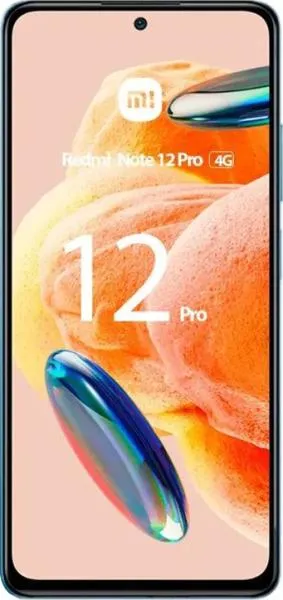
Xiaomi 12T Pro vs. Xiaomi Redmi Note 12 Pro 4G: A Deep Dive
Let's dissect the Xiaomi 12T Pro and Redmi Note 12 Pro 4G, two compelling devices vying for your attention in the mid-range smartphone arena. I'll break down their specs, analyze their real-world performance, and guide you toward the phone that best fits your needs.
1. Specifications Breakdown
| Feature | Xiaomi 12T Pro | Xiaomi Redmi Note 12 Pro 4G | Real-World Implications |
|---|---|---|---|
| Design | |||
| Dimensions (mm) | 163.1 x 75.9 x 8.6 | 164.2 x 76.1 x 8.1 | 12T Pro is slightly smaller, potentially offering a better one-handed grip. |
| Weight (g) | 205 | 201.8 | Negligible weight difference; both feel substantial in hand. |
| Display | |||
| Size | 6.67" | 6.67" | Identical screen sizes provide ample viewing space. |
| Resolution | 1220 x 2712 | 1080 x 2400 | 12T Pro boasts a sharper, more detailed display due to higher pixel density (446 vs. 395 ppi). |
| Refresh Rate | 120Hz | 120Hz | Both offer smooth scrolling and animations. |
| Panel Type | AMOLED | AMOLED | Vibrant colors, deep blacks, and excellent contrast on both devices. |
| Performance | |||
| Chipset | Snapdragon 8+ Gen 1 | Snapdragon 732G | 12T Pro significantly outperforms in processing power and graphics rendering, enabling demanding tasks and gaming. |
| CPU | Octa-core (3.19 GHz) | Octa-core (2.2 GHz) | 12T Pro's superior CPU architecture delivers faster speeds and smoother multitasking. |
| RAM | 8GB | 8GB | Both offer ample RAM for smooth day-to-day performance. |
| Camera | |||
| Main Sensor | 200MP | 108MP | 12T Pro's higher resolution sensor potentially captures more detail, particularly in good lighting. Redmi relies on pixel binning for low light. |
| Video Recording | 8K@24fps | 4K@30fps | 12T Pro allows for higher resolution video recording. |
| Battery Life | |||
| Capacity | 5000mAh | 5000mAh | Similar battery capacities suggest comparable longevity. Real-world usage will depend on individual habits and software optimization. |
2. Key Insights
The Xiaomi 12T Pro is the clear powerhouse here, flexing its muscles with the flagship Snapdragon 8+ Gen 1 processor. This translates to a noticeably smoother experience, especially when gaming or running demanding applications. Its sharper display also enhances media consumption. The 200MP camera, while not necessarily twice as good as the Redmi's 108MP sensor, offers more detail and flexibility.
The Redmi Note 12 Pro 4G, while less powerful, holds its own with a vibrant AMOLED display and a respectable 108MP camera that performs well in various conditions. It caters to users prioritizing affordability without compromising core features.
3. User Profiles and Recommendations
- Power Users & Gamers: The 12T Pro is your weapon of choice. Its superior processing power and sharper display cater to demanding tasks and immersive gaming experiences.
- Budget-Conscious Users: The Redmi Note 12 Pro 4G provides excellent value for its price. It's suitable for everyday tasks, social media, and casual photography.
- Photography Enthusiasts: While both phones boast impressive camera specs, the 12T Pro's 200MP sensor and 8K video recording offer a higher ceiling for detail and creative flexibility.
4. Buying Decision Framework
- What's your budget? The Redmi Note 12 Pro 4G is significantly more affordable.
- How important is raw performance? For gaming and demanding tasks, the 12T Pro is essential.
- What are your photography needs? Casual users will be satisfied with either, but serious photographers might prefer the 12T Pro's capabilities.
My Choice: Xiaomi 12T Pro
While the Redmi Note 12 Pro 4G is a solid contender for its price, I would choose the Xiaomi 12T Pro. As a tech enthusiast who values a smooth, responsive experience and future-proofing, the Snapdragon 8+ Gen 1 is a compelling factor. The sharper display and more advanced camera system sweeten the deal. I'm willing to invest in the performance headroom and the enhanced capabilities the 12T Pro offers. It's a device that can handle anything I throw at it, ensuring a frustration-free experience for years to come. The difference in price is justified by the significant leap in performance and overall user experience.
