
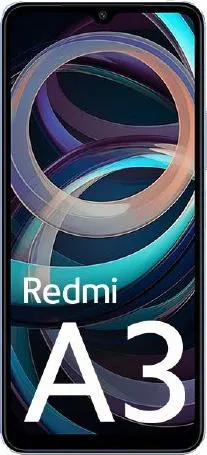
Xiaomi 12T Pro vs. Xiaomi Redmi A3: A Deep Dive
Let's dissect the Xiaomi 12T Pro and the Redmi A3, two phones targeting distinctly different user segments. My analysis will cut through the marketing jargon and focus on what these specs truly mean for your daily life.
1. Specifications Breakdown
| Feature | Xiaomi 12T Pro | Xiaomi Redmi A3 | Real-World Implications |
|---|---|---|---|
| Design | |||
| Dimensions (mm) | 163.1 x 75.9 x 8.6 | 168.3 x 76.3 x 8.3 | 12T Pro is slightly more compact. |
| Weight (g) | 205 | 193 | Negligible difference in weight. |
| Display | |||
| Type | AMOLED, 120Hz, Dolby Vision, HDR10+ | IPS LCD, 90Hz | 12T Pro boasts vibrant colors, deeper blacks, and smoother scrolling thanks to AMOLED and 120Hz. Redmi A3 is more basic. |
| Resolution | 1220 x 2712 | 720 x 1650 | Significantly sharper and more detailed visuals on the 12T Pro. Redmi A3's resolution is less crisp. |
| PPI | 446 | 268 | Noticeably higher pixel density on the 12T Pro translates to a clearer, more refined image. |
| Performance | |||
| Chipset | Snapdragon 8+ Gen 1 (4 nm) | Mediatek Helio G36 (12 nm) | Massive performance gap. 12T Pro offers flagship-level speed and responsiveness for demanding tasks and gaming. Redmi A3 is entry-level. |
| CPU | Octa-core (1x3.19 GHz Cortex-X2 & ...) | Octa-core (4x2.2 GHz Cortex-A53 &...) | 12T Pro's CPU architecture is significantly more powerful and efficient. |
| GPU | Adreno 730 | PowerVR GE8320 | 12T Pro's GPU delivers superior graphics performance for gaming and visually intensive applications. |
| RAM | 8GB/12GB | 3GB/4GB/6GB | More RAM in the 12T Pro allows for smoother multitasking and handling of demanding applications. |
| Camera | |||
| Main Camera | 200MP, Samsung ISOCELL HP1 | 8MP | Huge difference in resolution. 12T Pro offers vastly superior detail, low-light performance, and overall image quality. |
| Video | 8K@24fps, 4K@60fps | 1080p@30fps | 12T Pro allows for significantly higher resolution video recording with more advanced features. |
| Battery Life | |||
| Capacity | 5000 mAh | 5000 mAh | Similar battery capacities, but real-world usage will vary greatly due to the 12T Pro's more power-hungry components. |
2. Key Insights
The Xiaomi 12T Pro is a powerhouse designed for demanding users. Its flagship processor, stunning AMOLED display, and high-resolution camera system deliver a premium experience. However, this performance comes at a higher price point.
The Xiaomi Redmi A3, on the other hand, prioritizes affordability. It offers basic functionality for everyday tasks like calling, texting, and browsing. While not a performance beast, it delivers respectable battery life and essential features for budget-conscious consumers.
3. User Profiles and Recommendations
Xiaomi 12T Pro: Ideal for power users, gamers, content creators, and anyone who demands top-tier performance and a premium multimedia experience.
Xiaomi Redmi A3: Suitable for budget-conscious users, students, or seniors who prioritize basic functionality, affordability, and long battery life over cutting-edge performance.
4. Buying Decision Framework
- What is your budget? The 12T Pro sits in the medium price range while the Redmi A3 is a budget offering.
- What are your primary smartphone needs? Heavy gaming, photography, and multitasking favor the 12T Pro. Basic communication and light browsing suit the Redmi A3.
- Do you prioritize performance or affordability? The 12T Pro delivers flagship performance, while the Redmi A3 offers excellent value for its price.
My Choice: Xiaomi 12T Pro
If I were choosing, I'd go for the Xiaomi 12T Pro. As a tech journalist, I need a device that can handle demanding tasks, capture high-quality photos and videos, and provide a smooth, responsive user experience. The 12T Pro's powerful processor, stunning display, and advanced camera system are essential for my work. While the Redmi A3 is a great budget option, it wouldn't meet my needs for performance and multimedia capabilities. The price difference is justified by the substantial leap in quality and features. I value the long-term investment in a device that will remain capable and relevant for longer.
