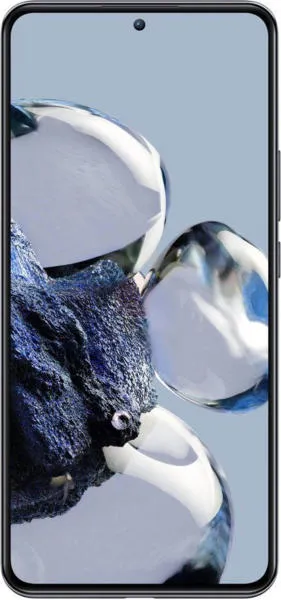
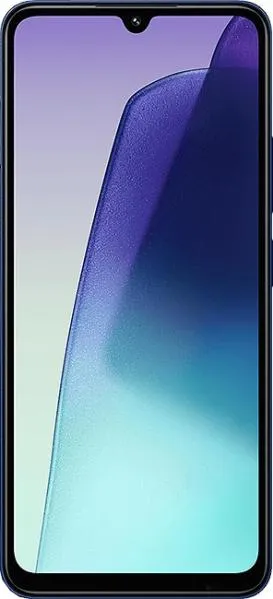
Xiaomi 12T Pro vs. Xiaomi Redmi 14C: A Deep Dive Comparison
The Xiaomi 12T Pro and Redmi 14C represent two distinct approaches to the smartphone experience, catering to different priorities and budgets. Let's dissect their specifications and uncover what these differences truly mean for users.
1. Specifications Breakdown
| Feature | Xiaomi 12T Pro | Xiaomi Redmi 14C | Real-World Implications |
|---|---|---|---|
| Design | |||
| Dimensions (mm) | 163.1 x 75.9 x 8.6 | 171.9 x 77.8 x 8.2 | 12T Pro is slightly more compact. 14C is taller and wider. |
| Weight (g) | 205 | 211 | Negligible difference in weight; both feel substantial in hand. |
| Build Materials | Glass front, aluminum frame | Plastic body | 12T Pro feels more premium and durable. |
| Display | |||
| Type | 6.67" AMOLED, 120Hz | 6.88" IPS LCD, 120Hz | 12T Pro offers richer colors, deeper blacks, and better viewing angles. |
| Resolution | 1220 x 2712 (446 ppi) | 720 x 1640 (260 ppi) | 12T Pro is significantly sharper; 14C's display is noticeably less crisp. |
| HDR | Dolby Vision, HDR10+ | None | 12T Pro delivers a more dynamic and vibrant viewing experience for compatible content. |
| Performance | |||
| Chipset | Snapdragon 8+ Gen 1 (4 nm) | MediaTek Helio G81 Ultra | 12T Pro offers flagship-level performance; expect significantly faster speeds and smoother multitasking. |
| CPU | Octa-core (up to 3.19 GHz) | Octa-core (up to 2.0 GHz) | 12T Pro handles demanding tasks and games with ease. 14C is suitable for basic use. |
| RAM | 8GB/12GB | 4GB/6GB/8GB | 12T Pro's larger RAM options enable better multitasking and smoother performance. |
| Camera | |||
| Main Sensor | 200MP, f/1.69, Samsung HP1 | 50MP, f/1.8 | 12T Pro boasts higher resolution and potentially better low-light performance. |
| Video Recording | Up to 8K@24fps | Up to 1080p@30fps | 12T Pro offers significantly higher video resolution and frame rates. |
| Battery Life | |||
| Capacity | 5000 mAh | 5160 mAh | 14C has a slightly larger battery, but 12T Pro's efficient chipset might result in comparable battery life. |
2. Key Insights
- Performance: The 12T Pro is a performance powerhouse, ideal for demanding users and mobile gamers. The Redmi 14C, on the other hand, prioritizes affordability and basic functionality.
- Display: The AMOLED display on the 12T Pro is a clear winner, offering vibrant visuals and superior clarity. The 14C's LCD panel is adequate for everyday use but lacks the punch and sharpness of the 12T Pro.
- Camera: The 12T Pro's 200MP camera system promises superior detail and low-light performance, along with advanced video recording capabilities. The 14C's 50MP camera is likely sufficient for casual photography but won't match the 12T Pro's versatility.
- Value Proposition: The Redmi 14C offers excellent value for its price, providing essential features and long battery life. The 12T Pro commands a higher price but justifies it with flagship-level performance and a premium experience.
3. User Profiles and Recommendations
- Xiaomi 12T Pro: Power users, mobile gamers, photography enthusiasts, content creators, anyone seeking a premium and powerful smartphone experience.
- Xiaomi Redmi 14C: Budget-conscious users, casual users primarily focused on communication and basic tasks, those seeking long battery life.
4. Buying Decision Framework
- What is your budget? The Redmi 14C is significantly more affordable.
- What are your primary smartphone needs? For basic tasks, the 14C suffices. For demanding applications and multimedia consumption, the 12T Pro excels.
- How important is display quality and camera performance? The 12T Pro offers a significant advantage in both areas.
My Choice: Xiaomi 12T Pro
While the Redmi 14C offers impressive value for its price, I would choose the Xiaomi 12T Pro. As a tech journalist who frequently uses demanding applications, captures photos and videos, and values a premium user experience, the 12T Pro's superior performance, stunning display, and advanced camera system are compelling. The Snapdragon 8+ Gen 1 ensures smooth multitasking and effortless handling of any task I throw at it. The brilliant AMOLED display provides an immersive viewing experience, crucial for reviewing multimedia content. While the price is higher, the long-term benefits of a more powerful and feature-rich device outweigh the initial cost for my specific needs. I appreciate having a phone that can keep up with my workflow and provide a high-quality experience across the board.
