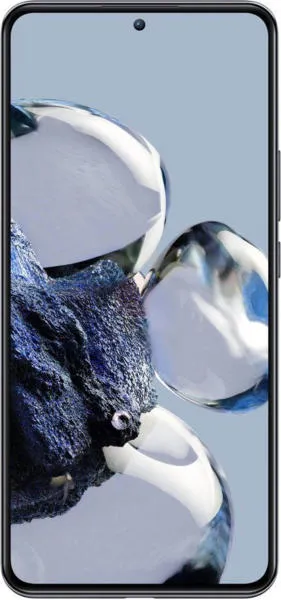
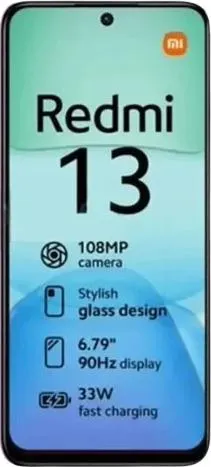
Xiaomi 12T Pro vs. Xiaomi Redmi 13: A Deep Dive
Let's dissect the Xiaomi 12T Pro and the Redmi 13, cutting through the spec sheet to uncover what truly matters for you, the user.
1. Specifications Breakdown
| Feature | Xiaomi 12T Pro | Xiaomi Redmi 13 | Real-World Implications |
|---|---|---|---|
| Design | |||
| Dimensions (mm) | 163.1 x 75.9 x 8.6 | 168.6 x 76.3 x 8.3 | 12T Pro is slightly more compact. Redmi 13 might feel larger in hand. |
| Weight (g) | 205 | 205 | Negligible weight difference. |
| Display | |||
| Type | AMOLED | IPS LCD | 12T Pro offers deeper blacks, vibrant colors, and better power efficiency. |
| Size | 6.67" | 6.79" | Redmi 13 has a marginally larger screen. |
| Resolution | 1220 x 2712 | 1080 x 2460 | 12T Pro boasts significantly sharper visuals due to higher resolution (446 ppi vs. 396 ppi). |
| Refresh Rate | 120Hz | 90Hz | Smoother animations and scrolling on the 12T Pro. |
| Performance | |||
| Chipset | Snapdragon 8+ Gen 1 (4nm) | Helio G91 Ultra (12nm) | 12T Pro delivers significantly faster processing speeds and superior graphics performance. |
| CPU | Octa-core (up to 3.19 GHz) | Octa-core (up to 2.05 GHz) | Noticeably faster app launches, multitasking, and demanding tasks on the 12T Pro. |
| RAM | 8GB/12GB | 6GB/8GB | 12T Pro offers more RAM options for smoother multitasking. |
| Camera | |||
| Main Sensor | 200MP Samsung HP1 | 108MP ISOCELL | 12T Pro offers higher resolution, potentially capturing more detail. Real-world results depend on processing. |
| Video | Up to 8K@24fps | Up to 1080p@30fps | 12T Pro supports significantly higher video resolution and frame rates. |
| Battery Life | |||
| Capacity | 5000 mAh | 5030 mAh | Negligible difference in battery capacity. Real-world battery life depends on usage patterns. |
| Other | |||
| Price Range | Medium | Low | Redmi 13 is significantly more affordable. |
2. Key Insights
The Xiaomi 12T Pro is a flagship-level device from late 2022, boasting a powerful Snapdragon 8+ Gen 1 processor, a stunning AMOLED display with a 120Hz refresh rate, and a high-resolution 200MP camera. This translates to a premium user experience: blazing-fast performance, smooth visuals, and potentially excellent photography.
The Redmi 13, on the other hand, is a budget-friendly option with a focus on affordability. While it offers a large display and a decent battery, its performance and camera capabilities are a step below the 12T Pro due to the mid-range Helio G91 processor and less advanced camera system.
3. User Profiles and Recommendations
Xiaomi 12T Pro: Ideal for power users, gamers, photography enthusiasts, and anyone who demands top-tier performance and a premium multimedia experience.
Redmi 13: Suitable for budget-conscious users, casual gamers, and those primarily using their phones for everyday tasks like browsing, social media, and communication. It's a great value proposition for its price.
4. Buying Decision Framework
- What is your budget? The Redmi 13 offers excellent value if you're on a tight budget.
- What are your performance needs? For demanding tasks and gaming, the 12T Pro's superior processor is crucial.
- How important is camera quality? The 12T Pro's 200MP camera and advanced video capabilities offer a clear advantage for photography enthusiasts.
My Choice: Xiaomi 12T Pro
While the Redmi 13 presents fantastic value, I'd choose the Xiaomi 12T Pro. The significantly improved performance, the beautiful AMOLED display with 120Hz, and the advanced camera system are compelling. As someone who values a smooth and responsive user experience, the Snapdragon 8+ Gen 1 is a major selling point. While the price premium exists, the 12T Pro offers a tangible leap in quality that justifies the cost for my needs. The longevity provided by the more powerful processor also makes it a smarter long-term investment in my opinion. I often push my devices with multitasking, photography, and occasional gaming, so the 12T Pro aligns better with my usage pattern.
