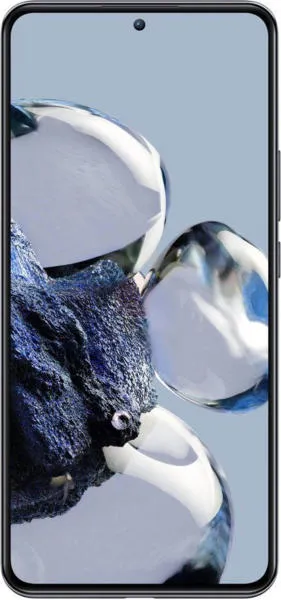
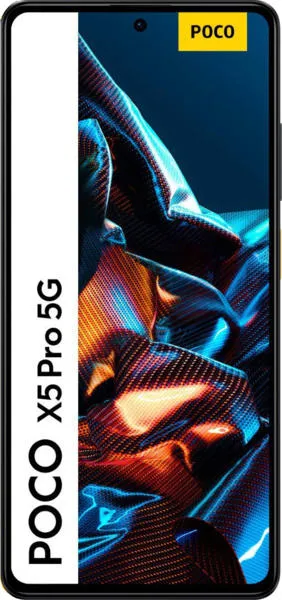
Xiaomi 12T Pro vs. Xiaomi Poco X5 Pro: A Deep Dive for the Discerning User
Hello fellow tech enthusiasts! Alex Griffin here, ready to dissect the Xiaomi 12T Pro and the Poco X5 Pro. These two phones offer compelling features at attractive price points, but which one reigns supreme? Let's dive into the nitty-gritty details and uncover the real-world implications of their specifications.
1. Specifications Breakdown
| Feature | Xiaomi 12T Pro | Xiaomi Poco X5 Pro | Real-World Implications |
|---|---|---|---|
| Design | |||
| Dimensions (mm) | 163.1 x 75.9 x 8.6 | 162.9 x 76 x 7.9 | Poco X5 Pro is slightly thinner and lighter, enhancing one-handed usability. |
| Weight (g) | 205 | 181 | Noticeable difference in weight; Poco X5 Pro will feel less bulky in pockets and during extended use. |
| Display | |||
| Size | 6.67" | 6.67" | Identical screen sizes offer ample real estate for media consumption and multitasking. |
| Resolution | 1220 x 2712 | 1080 x 2400 | 12T Pro boasts a sharper display with higher pixel density, resulting in crisper text and images. |
| Refresh Rate | 120Hz | 120Hz | Both offer smooth scrolling and fluid animations, enhancing the overall user experience. |
| Display Type | AMOLED | AMOLED | Both feature vibrant colors, deep blacks, and excellent contrast. |
| Performance | |||
| Chipset | Snapdragon 8+ Gen 1 | Snapdragon 778G 5G | 12T Pro's flagship processor delivers significantly faster performance for demanding tasks and gaming. |
| CPU | Octa-core (1x3.19 GHz Cortex-X2 & 3x2.75 GHz Cortex-A710 & 4x2.0 GHz Cortex-A510) | Octa-core (1x2.4 GHz Cortex-A78 & 3x2.2 GHz Cortex-A78 & 4x1.9 GHz Cortex-A55) | 12T Pro's superior CPU architecture provides a substantial performance advantage in multitasking and heavy applications. |
| GPU | Adreno 730 | Adreno 642L | 12T Pro's GPU offers a significant edge in graphics processing, translating to smoother gameplay and faster rendering times. |
| RAM | 8GB | 8GB | Both phones have 8GB of RAM, sufficient for smooth multitasking in most scenarios. |
| Camera | |||
| Main Camera | 200MP | 108MP | 12T Pro's higher resolution main camera potentially captures more detail, but real-world performance depends on image processing. |
| Video | 8K@24fps | 4K@30fps | 12T Pro offers 8K video recording for incredibly detailed footage. |
| Battery Life | |||
| Capacity | 5000mAh | 5000mAh | Identical battery capacities suggest similar battery life, but actual usage will vary depending on individual usage patterns. |
2. Key Insights
The Xiaomi 12T Pro is a powerhouse, flexing its flagship Snapdragon 8+ Gen 1 processor and a stunning 200MP camera. It's designed for users who demand top-tier performance and cutting-edge technology. The sharper display enhances media consumption, while the powerful hardware ensures smooth sailing even with the most demanding applications.
The Xiaomi Poco X5 Pro, on the other hand, offers excellent value for money. While its Snapdragon 778G 5G processor isn't as powerful as the 12T Pro's, it still delivers a solid performance for everyday tasks. Its lighter weight and slimmer profile make it more comfortable for extended use.
3. User Profiles and Recommendations
Xiaomi 12T Pro: Ideal for power users, gamers, and photography enthusiasts who prioritize performance and cutting-edge features.
Xiaomi Poco X5 Pro: A great choice for budget-conscious users who want a well-rounded phone with a good display, solid performance, and all-day battery life.
4. Buying Decision Framework
- What is your budget? The Poco X5 Pro is generally more affordable.
- What is your primary use case? For demanding tasks and gaming, the 12T Pro excels. For everyday use, the Poco X5 Pro is sufficient.
- How important is camera quality? The 12T Pro offers a higher resolution sensor and 8K video recording.
My Choice: Xiaomi 12T Pro
While the Poco X5 Pro offers excellent value, I'd choose the Xiaomi 12T Pro. The significant performance difference offered by the Snapdragon 8+ Gen 1 is a game-changer for my workflow. As a tech journalist, I often juggle multiple applications, edit photos and videos, and need a phone that can keep up without a hitch. The superior display and camera capabilities of the 12T Pro further solidify its position as the winner for my needs. The slightly higher price is justified by the tangible benefits in performance and user experience. I value the future-proofing that the 12T Pro's powerful hardware provides.
