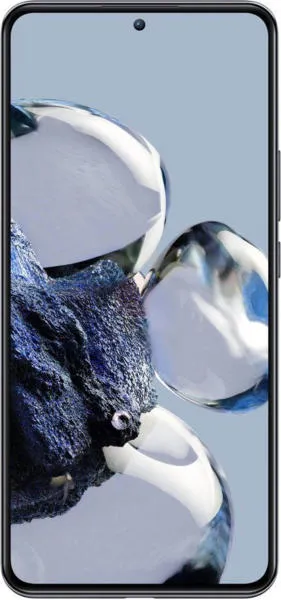
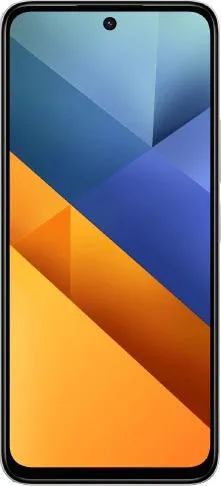
Let's dissect the Xiaomi 12T Pro and the Poco M6 4G, two phones occupying distinct tiers in the Xiaomi ecosystem. This analysis will go beyond the spec sheet, translating those numbers into real-world experiences.
1. Specifications Breakdown
| Feature | Xiaomi 12T Pro | Xiaomi Poco M6 4G | Real-World Implications |
|---|---|---|---|
| Design | |||
| Dimensions (mm) | 163.1 x 75.9 x 8.6 | 168.6 x 76.3 x 8.3 | 12T Pro slightly more compact. |
| Weight (g) | 205 | 205 | Nearly identical weight; average for this size. |
| Build Materials | Glass front, aluminum frame | Plastic back, glass front | 12T Pro feels more premium. Poco M6 4G potentially more durable against drops due to plastic back |
| Display | |||
| Type | AMOLED | IPS LCD | 12T Pro: Richer blacks, vibrant colors, better outdoor visibility. Poco M6 4G: good color accuracy |
| Size | 6.67" | 6.79" | Poco M6 4G slightly larger screen real estate. |
| Resolution | 1220 x 2712 | 1080 x 2460 | 12T Pro: Sharper, more detailed visuals. |
| Refresh Rate | 120Hz | 90Hz | 12T Pro: Smoother animations, scrolling, and gaming. |
| Performance | |||
| Chipset | Snapdragon 8+ Gen 1 | Mediatek Helio G91 Ultra | 12T Pro: Significantly faster CPU and GPU, handles demanding tasks and gaming with ease. |
| RAM | 8GB/12GB | 6GB/8GB | 12T Pro: Better multitasking, smoother performance with demanding apps. |
| Storage | 128GB/256GB | 128GB/256GB | Comparable storage options. |
| Camera | |||
| Main Camera | 200MP Samsung HP1 | 50MP Samsung HM6 | 12T Pro: Higher resolution, potentially better detail and low-light performance (needs real-world testing). |
| Video | 8K@24fps, 4K@60fps | 1080p@30fps | 12T Pro: Superior video recording capabilities. |
| Battery Life | |||
| Capacity | 5000mAh | 5030mAh | Negligibly different battery capacities; real-world usage will vary significantly based on other factors. |
2. Key Insights
The Xiaomi 12T Pro is a flagship-level device offering top-tier performance, a stunning AMOLED display, and advanced camera technology. Its Snapdragon 8+ Gen 1 chip ensures blazing-fast speeds for any task, while the 120Hz display delivers a buttery-smooth visual experience.
The Poco M6 4G, on the other hand, is a budget-friendly option prioritizing value. While its Helio G91 Ultra processor isn't as powerful, it's still capable for everyday use. The larger IPS LCD screen is decent, although it lacks the vibrancy and contrast of the 12T Pro's AMOLED panel. The 50MP main camera promises decent image quality but is unlikely to match the 12T Pro's versatility and overall photographic prowess.
3. User Profiles and Recommendations
Xiaomi 12T Pro: Ideal for power users, gamers, photography enthusiasts, and anyone who demands top-of-the-line performance and a premium experience. If you edit videos, play graphically intensive games, or value a vibrant display, the 12T Pro is worth the investment.
Poco M6 4G: Suited for budget-conscious users who prioritize essential features like calling, texting, social media, and light gaming. Students, casual users, and those seeking a large-screen experience without breaking the bank will find the Poco M6 4G a compelling option.
4. Buying Decision Framework
- What's your budget? The 12T Pro sits in a higher price bracket than the Poco M6 4G.
- What are your primary use cases? Demanding tasks and multimedia consumption favor the 12T Pro; basic usage favors the Poco M6 4G.
- How important are camera quality and display technology? The 12T Pro significantly outperforms the Poco M6 4G in these areas.
My Choice
Personally, I would choose the Xiaomi 12T Pro. While the Poco M6 4G offers excellent value, my workflow demands the raw power and premium features of the 12T Pro. The superior processor, stunning AMOLED display with a 120Hz refresh rate, and advanced camera system are crucial for my productivity and creative pursuits. I appreciate the responsiveness and fluidity a flagship chip provides, especially when multitasking and running demanding applications. The investment in the 12T Pro aligns better with my long-term needs and usage patterns.
