
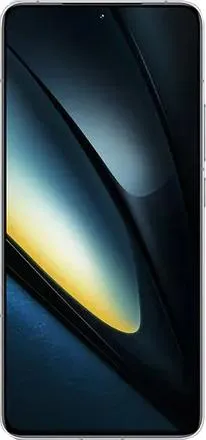
Xiaomi 12T Pro vs. Xiaomi Poco F6 Pro: A Deep Dive
Let's dissect the Xiaomi 12T Pro and the Poco F6 Pro, two compelling devices vying for your attention in the mid-range smartphone arena. I'll break down their specs, analyze their real-world performance, and guide you toward the phone that best fits your needs.
1. Specifications Breakdown
| Feature | Xiaomi 12T Pro | Xiaomi Poco F6 Pro | Real-World Implications |
|---|---|---|---|
| Design | |||
| Dimensions (mm) | 163.1 x 75.9 x 8.6 | 160.9 x 75 x 8.2 | Poco F6 Pro is slightly more compact. |
| Weight (g) | 205 | 209 | Negligible difference in weight. |
| Display | |||
| Size (inches) | 6.67 | 6.67 | Identical screen size. |
| Resolution (px) | 1220 x 2712 | 1440 x 3200 | Poco F6 Pro boasts sharper visuals due to higher resolution (and pixel density). |
| Type | AMOLED | AMOLED | Both offer vibrant colors and deep blacks. |
| Refresh Rate (Hz) | 120 | 120 | Smooth scrolling and animations on both. |
| Peak Brightness | 900 nits (typical), 1200 nits (peak) | 1200 nits (HBM) 4000 nits(peak) | Poco F6 Pro significantly brighter, enhancing outdoor visibility. |
| Performance | |||
| Chipset | Snapdragon 8+ Gen 1 | Snapdragon 8 Gen 2 | Poco F6 Pro features a newer, more powerful, and efficient processor. |
| CPU | Octa-core (X2, A710, A510) | Octa-core (X3, A715, A710, A510) | Poco F6 Pro's CPU architecture offers performance and efficiency gains. |
| GPU | Adreno 730 | Adreno 740 | Poco F6 Pro's GPU delivers improved graphics performance for demanding games and apps. |
| RAM (GB) | 8/12 | 12/16 | Poco F6 Pro offers larger RAM options for better multitasking and future-proofing. |
| Camera | |||
| Main Sensor (MP) | 200 | 50 | 12T Pro boasts higher megapixel count, Poco F6 Pro uses a larger sensor (1/1.55"). |
| Sensor Size | 1/1.22" | 1/1.55" | Poco F6 Pro with better low light performance and dynamic range due to larger sensor |
| Battery Life | |||
| Capacity (mAh) | 5000 | 5000 | Identical battery capacity. Real-world battery life will depend on usage and efficiency. |
2. Key Insights
The Xiaomi 12T Pro impresses with its high-resolution 200MP main camera sensor, but using pixel binning technology by default means it outputs 12MP photos. The Poco F6 Pro, while having a lower resolution 50MP sensor on paper, utilizes a larger sensor size (1/1.55" vs 1/1.22"), which likely translates to superior low-light performance and dynamic range. Think of it this way: imagine catching rain in buckets. The 200MP sensor is like having many tiny buckets, while the 50MP sensor is like having fewer, larger buckets. In a light drizzle, the many tiny buckets might collect more, but in a downpour, the larger buckets will fill up faster and more efficiently.
Performance-wise, the Poco F6 Pro's Snapdragon 8 Gen 2 chip provides a noticeable advantage in speed, efficiency, and graphics rendering compared to the 12T Pro's Snapdragon 8+ Gen 1. This translates to smoother gaming, faster app loading, and better overall responsiveness. The F6 Pro also gets the edge in display brightness, making it a clear winner for outdoor use.
3. User Profiles and Recommendations
Xiaomi 12T Pro: Suits users prioritizing a high megapixel camera, who often take photos in well-lit conditions and prefer zooming capabilities, and who are looking for a solid overall performer at a potentially lower price point.
Xiaomi Poco F6 Pro: Ideal for users who demand top-tier performance, value a brighter display for outdoor use, prioritize low light camera performance, and future-proof their device with the latest hardware. Gamers and power users will appreciate the F6 Pro's extra horsepower.
4. Buying Decision Framework
- What is your budget? The 12T Pro might offer better value if pricing is a primary concern.
- Is top-tier performance crucial? If speed and gaming are priorities, the Poco F6 Pro is the clear winner.
- What are your camera needs? The 12T Pro boasts a higher megapixel count for detailed zoomed shots in good lighting, while the Poco F6 Pro likely excels in low light and delivers a more natural look.
My Choice: Xiaomi Poco F6 Pro
While the 200MP sensor of the 12T Pro initially seems appealing, I value real-world performance and future-proofing. The Poco F6 Pro's Snapdragon 8 Gen 2, brighter display, larger main camera sensor, and increased RAM make it a more compelling package for my needs. I prioritize a smooth, responsive user experience, excellent low-light photography, and a phone that will remain competitive for longer. The Poco F6 Pro delivers on all fronts. It's a device built for speed, efficiency, and longevity, making it the clear winner for me.
