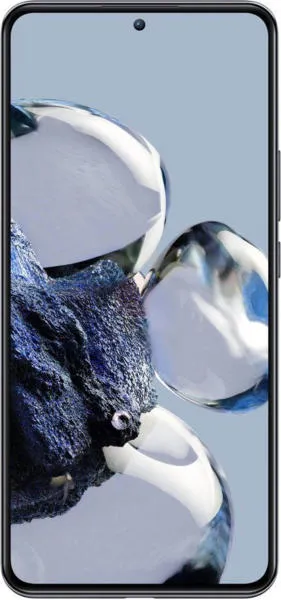
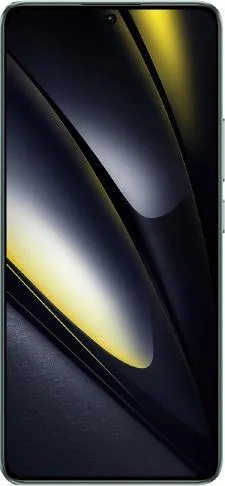
Xiaomi 12T Pro vs. Xiaomi Poco F6: A Deep Dive
Hello fellow tech enthusiasts! Alex Griffin here, ready to dissect the Xiaomi 12T Pro and the Poco F6. We'll go beyond the spec sheets to uncover what these phones really offer in day-to-day use. Let's get started!
1. Specifications Breakdown
| Feature | Xiaomi 12T Pro | Xiaomi Poco F6 | Real-World Implications | |
|---|---|---|---|---|
| Design | ||||
| Dimensions (mm) | 163.1 x 75.9 x 8.6 | 160.5 x 74.5 x 8.0 | Poco F6 slightly smaller and lighter, potentially more pocketable | |
| Weight (g) | 205 | 179 | Noticeable difference in hand; Poco F6 feels less bulky | |
| Display | ||||
| Size (inches) | 6.67 | 6.67 | Identical screen real estate | |
| Resolution (px) | 1220 x 2712 | 1220 x 2712 | Same sharp resolution on both; crisp text and images | |
| Refresh Rate (Hz) | 120 | 120 | Smooth scrolling and animations on both | |
| Peak Brightness | 900 nits | 2400 nits | Poco F6 significantly brighter; excellent outdoor visibility | |
| Performance | ||||
| Chipset | Snapdragon 8+ Gen 1 | Snapdragon 8s Gen 3 | Poco F6 has a newer, slightly faster processor | |
| CPU | Cortex-X2, A710, A510 | Cortex-X4, A720, A520 | Both powerful, but architectural differences in Poco F6 may impact sustained performance | |
| GPU | Adreno 730 | Adreno 735 | Minor GPU upgrade in Poco F6; slight gaming advantage | |
| RAM | 8/12GB | 8/12GB | Ample RAM for multitasking on both | |
| Camera | ||||
| Main Sensor (MP) | 200 | 50 | 12T Pro boasts higher resolution; Poco F6 uses a potentially better sensor (IMX882) | |
| Video | 8K@24fps | 4K@60fps | 12T Pro offers higher resolution video, Poco F6 better frame rates at 4K | |
| Battery Life | ||||
| Capacity (mAh) | 5000 | 5000 | Same battery capacity; real-world usage will determine winner |
2. Key Insights
- Performance: While benchmarks might favor the Poco F6's newer Snapdragon 8s Gen 3, the 8+ Gen 1 in the 12T Pro is no slouch. In real-world use, both will handle demanding tasks and gaming with ease. The architectural differences in the CPU cores, however, might give the Poco F6 an edge in sustained performance, preventing throttling under heavy load.
- Display: The standout difference is peak brightness. The Poco F6's 2400 nits obliterates the 12T Pro's 900 nits, making it far more usable in direct sunlight.
- Camera: The megapixel count might tempt you towards the 12T Pro's 200MP sensor. However, megapixels aren't everything. The Poco F6's 50MP Sony IMX882 sensor is known for its excellent image quality, particularly in low light. Consider your priorities: sheer resolution or overall image quality. The lack of an 8K option on the Poco F6 may be a dealbreaker for some content creators.
- Software: The Poco F6 ships with Android 14 and is guaranteed updates for a longer period, giving it a clear advantage in terms of software support and longevity.
3. User Profiles and Recommendations
- Xiaomi 12T Pro: Best for users who prioritize a high-resolution main camera and the option to shoot 8K video.
- Xiaomi Poco F6: Best for users who value a brighter display, slightly improved performance, latest software, lighter weight, and potentially better overall image quality from the main camera.
4. Buying Decision Framework
- Is outdoor visibility crucial? If yes, the Poco F6's brighter display is a significant advantage.
- Do you need the absolute highest resolution photos and 8K video? If so, the 12T Pro is the clear choice.
- How important is long-term software support? The Poco F6, with newer software and longer update guarantee, wins here.
My Choice:
If I were choosing between these two, I'd lean towards the Poco F6. The significantly brighter display, coupled with the newer, potentially better performing processor and longer software support outweigh the 12T Pro's advantages for me. While the 200MP camera is intriguing, I prioritize overall image quality and a great user experience, areas where the Poco F6 potentially excels. The lighter weight and guaranteed software updates are the icing on the cake. However, if 8K video recording is a must-have, the 12T Pro becomes the only viable option.
