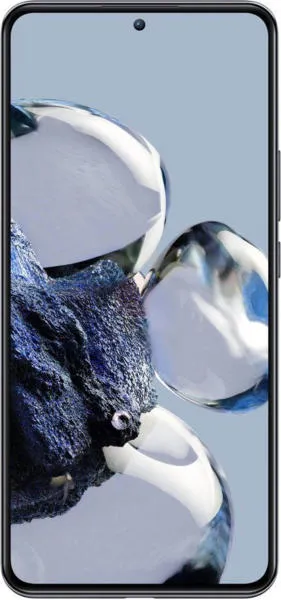
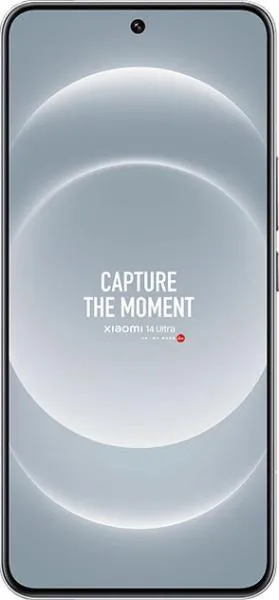
Xiaomi 12T Pro vs. Xiaomi 14 Ultra: A Deep Dive
Hello, fellow tech enthusiasts! Alex Griffin here, ready to dissect the Xiaomi 12T Pro and the Xiaomi 14 Ultra. We'll go beyond the spec sheet to uncover what these phones truly offer in the real world.
1. Specifications Breakdown
| Feature | Xiaomi 12T Pro | Xiaomi 14 Ultra | Real-World Implications |
|---|---|---|---|
| Design | |||
| Dimensions (mm) | 163.1 x 75.9 x 8.6 | 161.4 x 75.3 x 9.2 | 14 Ultra slightly shorter and narrower, but thicker. Negligible difference in hand feel for most users. |
| Weight (g) | 205 | 229.5 | 14 Ultra noticeably heavier. Could impact one-handed use and pocket comfort. |
| Display | |||
| Size (inches) | 6.67 | 6.73 | 14 Ultra offers a marginally larger screen. |
| Resolution (px) | 1220 x 2712 | 1440 x 3200 | 14 Ultra boasts significantly higher resolution resulting in sharper text and images. Noticeable difference in clarity for detail-oriented tasks. |
| Refresh Rate (Hz) | 120 | 120 | Both offer smooth scrolling and animations. |
| Peak Brightness(nits) | 900 | 3000 | 14 Ultra dramatically brighter, ensuring excellent outdoor visibility even in direct sunlight. |
| LTPO | No | Yes | 14 Ultra's LTPO display allows for dynamic refresh rate adjustment, potentially saving battery life. |
| Performance | |||
| Chipset | Snapdragon 8+ Gen 1 | Snapdragon 8 Gen 3 | 14 Ultra features a newer, more powerful processor, leading to faster app loading, smoother multitasking, and improved gaming performance. |
| RAM (GB) | 8/12 | 16 | 14 Ultra offers significantly more RAM, enabling better multitasking and preventing app closures in the background. |
| Camera | |||
| Main Sensor (MP) | 200 | 50 | 12T Pro boasts higher megapixel count, but 14 Ultra uses a larger 1-inch sensor, potentially capturing more light and detail. |
| Sensor Size | 1/1.22" | 1" | 14 Ultra's larger sensor allows for better low-light performance and depth of field. |
| Lenses | Triple | Quadruple | 14 Ultra offers an additional telephoto lens for greater zoom versatility. |
| DxOMark Score | 129 | 149 | 14 Ultra scores significantly higher in DxOMark tests, indicating superior overall camera quality. |
| Battery Life | |||
| Capacity (mAh) | 5000 | 5000 | Both phones have the same battery capacity. Real-world battery life will depend on usage and optimization. |
2. Key Insights
- Performance: The 14 Ultra, with its Snapdragon 8 Gen 3 and 16GB RAM, significantly outperforms the 12T Pro. This translates to a noticeably smoother and more responsive user experience across the board.
- Display: The 14 Ultra's higher resolution, LTPO display, and dramatically higher peak brightness make it a clear winner in the display department.
- Camera: While the 12T Pro boasts a 200MP sensor, the 14 Ultra's larger 1-inch sensor and Leica-tuned optics suggest superior image quality, especially in challenging lighting conditions. The additional telephoto lens provides more flexibility for zoom photography.
- Battery: Both phones have the same 5000mAh battery, but the 14 Ultra's more efficient processor and LTPO display could potentially lead to longer battery life.
3. User Profiles and Recommendations
- Xiaomi 12T Pro: Best suited for budget-conscious users who prioritize a good display and solid performance for everyday tasks. The 200MP camera is a compelling feature for those who enjoy capturing high-resolution images.
- Xiaomi 14 Ultra: Ideal for power users, photographers, and videographers who demand the best possible performance, display, and camera system. The premium price tag is justified by the significant upgrades.
4. Buying Decision Framework
- What is your budget? The 12T Pro offers excellent value for its price, while the 14 Ultra is a premium flagship with a higher cost.
- What are your primary use cases? For everyday tasks and casual photography, the 12T Pro is sufficient. For demanding workloads, mobile gaming, and professional-grade photography/videography, the 14 Ultra is the better choice.
- How important is future-proofing? The 14 Ultra's newer processor and more advanced features will likely offer better longevity and performance sustained over time.
My Choice: If I were choosing between these two, I'd go for the Xiaomi 14 Ultra. While the price is significantly higher, the leap in performance, the stunning display, and the superior camera system are compelling. As a tech enthusiast who pushes his devices to their limits, I value the future-proofing offered by the latest generation technology. The improved image quality and zoom versatility of the 14 Ultra's camera are also significant factors for me. The slightly heavier weight is a minor trade-off for the substantial gains in overall performance and capabilities.
