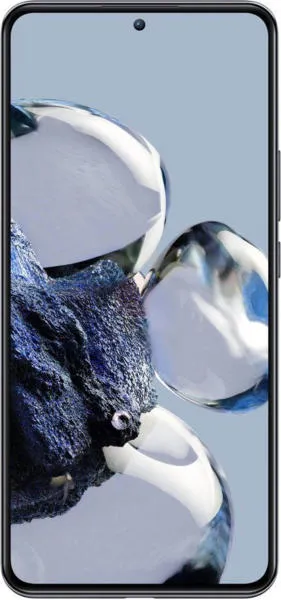
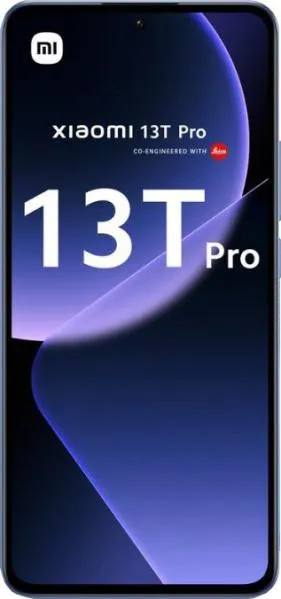
Xiaomi 12T Pro vs. Xiaomi 13T Pro: A Deep Dive Comparison
The Xiaomi T series has consistently offered impressive hardware at competitive prices. The 12T Pro and 13T Pro continue this tradition, but with distinct differences that cater to varying user needs. Let's dissect these two powerhouses to see which reigns supreme.
1. Specifications Breakdown
| Feature | Xiaomi 12T Pro | Xiaomi 13T Pro | Real-World Implications |
|---|---|---|---|
| Design | |||
| Dimensions (mm) | 163.1 x 75.9 x 8.6 | 162.2 x 75.7 x 8.5 | Negligibly different; both feel substantial in hand. |
| Weight (g) | 205 | 200 | Virtually identical; neither will feel noticeably heavier. |
| Display | |||
| Size | 6.67" | 6.67" | Identical screen real estate. |
| Resolution | 1220 x 2712 | 1220 x 2712 | Same sharp resolution; excellent detail and clarity. |
| Refresh Rate | 120Hz | 144Hz | Smoother scrolling and animations on the 13T Pro, especially noticeable in gaming and fast-paced content. |
| Peak Brightness | 900 nits | 2600 nits | Significantly brighter display on the 13T Pro; superior outdoor visibility. |
| Display Type | AMOLED | AMOLED (TCL Huaxing C7) | Both offer vibrant colors and deep blacks; 13T Pro potentially uses a newer panel generation, implying improvements in color accuracy, response times, or power efficiency |
| Performance | |||
| Chipset | Snapdragon 8+ Gen 1 | Dimensity 9200+ | Both are flagship-level processors; benchmarks suggest the 9200+ might have a slight edge in CPU and GPU performance. |
| CPU | Octa-core (1x3.19 GHz Cortex-X2 & 3x2.75 GHz Cortex-A710 & 4x2.0 GHz Cortex-A510) | Octa-core (1x3.35 GHz Cortex-X3 & 3x3.0 GHz Cortex-A715 & 4x2.0 GHz Cortex-A510) | Both offer excellent multi-core performance; 13T Pro's newer Cortex cores may provide efficiency gains and architectural advantages. |
| GPU | Adreno 730 | Immortalis-G715 MC11 | Both are powerful GPUs; gaming performance should be excellent on both, with potential advantages for the 13T Pro. |
| RAM | 8/12GB | 12/16GB | More RAM options on the 13T Pro, beneficial for heavy multitasking and future-proofing. |
| Camera | |||
| Main Sensor | 200MP (Samsung HP1) | 50MP (Sony IMX707) | 12T Pro boasts higher resolution; 13T Pro uses a renowned Sony sensor known for excellent low-light performance and dynamic range. Likely better image quality on the 13T Pro despite lower resolution. |
| Telephoto | N/A | 50MP (OmniVision OV50D40) | Dedicated telephoto lens on the 13T Pro enables optical zoom and improved portrait capabilities. |
| Battery Life | |||
| Capacity | 5000mAh | 5000mAh | Identical battery capacity; real-world battery life will depend on software optimization and usage patterns. |
2. Key Insights
- Performance: While benchmarks might give a slight edge to the 13T Pro, both phones deliver blazing-fast performance for demanding tasks and gaming. The real-world difference will likely be minimal for most users.
- Display: The 13T Pro's significantly brighter display and higher refresh rate are major advantages, especially for outdoor use and gaming.
- Camera: The 12T Pro's 200MP sensor is a marketing highlight, but the 13T Pro's Sony IMX707 sensor and dedicated telephoto lens likely deliver superior overall image quality and versatility.
- Software: The 13T Pro ships with Android 13 and is guaranteed longer software updates, offering better long-term value.
3. User Profiles and Recommendations
- Xiaomi 12T Pro: Suitable for users seeking a powerful, affordable flagship with a high-resolution main camera. Its lower price point makes it a compelling option for budget-conscious consumers.
- Xiaomi 13T Pro: Ideal for users prioritizing the best possible display, longer software support, a more versatile camera system with a telephoto lens, and the latest hardware. Gamers will appreciate the 144Hz refresh rate.
4. Buying Decision Framework
- Is a brighter display and higher refresh rate crucial? If yes, the 13T Pro is the clear winner.
- Do you prioritize camera versatility and overall image quality over sheer megapixel count? If so, the 13T Pro's camera system is likely more appealing.
- How important is long-term software support and the latest Android version? The 13T Pro offers a longer update cycle and ships with a newer OS.
My Choice: Xiaomi 13T Pro
If I were choosing between these two phones, I'd opt for the Xiaomi 13T Pro. While the 12T Pro offers compelling value, the 13T Pro's superior display, more versatile camera system with a dedicated telephoto lens, longer software support, and newer, more powerful hardware make it a more compelling overall package. I prioritize a smooth, bright display for consuming media and gaming, and the 13T Pro delivers in spades. The improved camera system, especially the addition of a telephoto lens, also aligns better with my photography preferences. Finally, the peace of mind offered by longer software updates ensures the device remains relevant and secure for an extended period. The slight price premium is justified by these tangible benefits.
