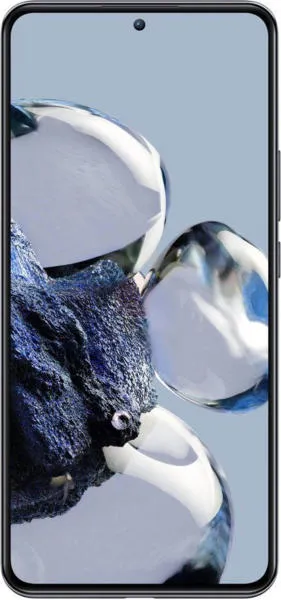
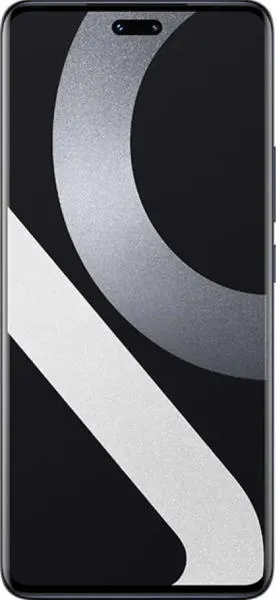
Xiaomi 12T Pro vs. Xiaomi 13 Lite: A Deep Dive for the Discerning User
Hello, fellow tech enthusiasts! Today, we're dissecting two compelling contenders from Xiaomi: the powerhouse 12T Pro and the sleek 13 Lite. Let's cut through the marketing fluff and explore what these phones really offer.
1. Specifications Breakdown
| Feature | Xiaomi 12T Pro | Xiaomi 13 Lite | Real-World Implications |
|---|---|---|---|
| Design | |||
| Dimensions (mm) | 163.1 x 75.9 x 8.6 | 159.2 x 72.7 x 7.2 | 13 Lite is noticeably more compact and lighter, enhancing one-handed usability. |
| Weight (g) | 205 | 171 | Significant weight difference; 13 Lite will feel less bulky in pockets and during extended use. |
| Display | |||
| Size (inches) | 6.67 | 6.55 | Negligible difference in screen real estate. |
| Resolution | 1220 x 2712 | 1080 x 2400 | 12T Pro boasts a sharper display with higher pixel density, resulting in crisper text and images. |
| Type | AMOLED | AMOLED | Both offer vibrant colors, deep blacks, and excellent contrast. |
| Refresh Rate (Hz) | 120 | 120 | Both provide smooth scrolling and animations, enhancing responsiveness. |
| Performance | |||
| Chipset | Snapdragon 8+ Gen 1 | Snapdragon 7 Gen 1 | 12T Pro significantly outperforms in raw processing power, ideal for demanding tasks and gaming. 7 Gen 1 is still very capable. |
| CPU | Octa-core (1x3.19 GHz Cortex-X2 & 3x2.75 GHz Cortex-A710 & 4x2.0 GHz Cortex-A510) | Octa-core (1x2.4 GHz Cortex-A710 & 3x2.36 GHz Cortex-A710 & 4x1.8 GHz Cortex-A510) | 12T Pro's superior CPU architecture and clock speeds translate to faster app loading, smoother multitasking, and better gaming. |
| RAM (GB) | 8/12 | 8 | 12T Pro offers a 12GB RAM option for even more aggressive multitasking. |
| Camera | |||
| Main Sensor (MP) | 200 | 50 | 12T Pro boasts a higher resolution main sensor, potentially capturing more detail. However, sensor size and processing matter more. |
| Selfie Camera (MP) | 20 | 32 + 8 (depth) | 13 Lite offers a higher resolution selfie camera with a dedicated depth sensor for portrait mode effects. |
| Battery Life | |||
| Capacity (mAh) | 5000 | 4500 | 12T Pro likely offers longer battery life due to the larger capacity. Real-world usage will vary. |
2. Key Insights
The Xiaomi 12T Pro is a performance beast. Its Snapdragon 8+ Gen 1 chip provides a noticeable advantage in speed and responsiveness compared to the 13 Lite. If you're a mobile gamer, power user, or someone who demands top-tier performance, the 12T Pro is the clear winner. Its sharper display further enhances the multimedia experience.
The Xiaomi 13 Lite, on the other hand, prioritizes portability and design. It's significantly lighter and more compact, making it ideal for users who prefer a more manageable phone. While not as powerful as the 12T Pro, the Snapdragon 7 Gen 1 is no slouch and can handle most everyday tasks with ease. The 13 Lite also shines in the selfie department with its dual front-facing cameras.
3. User Profiles and Recommendations
Xiaomi 12T Pro: Power users, mobile gamers, content creators, those seeking top-tier performance and a long-lasting battery.
Xiaomi 13 Lite: Users prioritizing portability, design, selfie quality, those seeking a balance of performance and ease of use. Excellent choice for social media enthusiasts.
4. Buying Decision Framework
- What is your budget? The 12T Pro typically sits in a higher price bracket than the 13 Lite.
- What are your performance needs? For demanding tasks and gaming, the 12T Pro excels. For everyday use and social media, the 13 Lite is sufficient.
- What matters more: portability or screen sharpness? The 13 Lite is lighter and more compact, while the 12T Pro has a sharper display.
My Choice:
If I were choosing between these two, I would lean towards the Xiaomi 12T Pro. While I appreciate the 13 Lite's portability, I prioritize performance and a long-lasting battery. The Snapdragon 8+ Gen 1 offers a significant performance leap that would greatly benefit my workflow, especially with multitasking and content creation. The sharper display is also a plus for media consumption. While the 13 Lite is a great device, the 12T Pro's superior performance and battery life align better with my needs as a tech journalist who frequently uses demanding applications.
