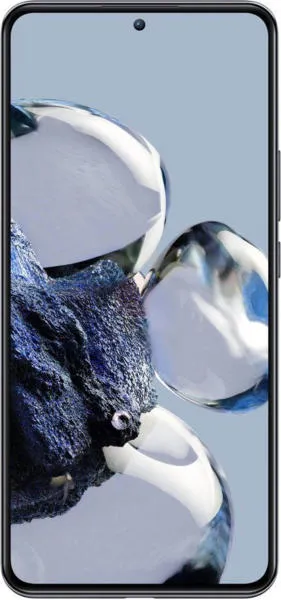
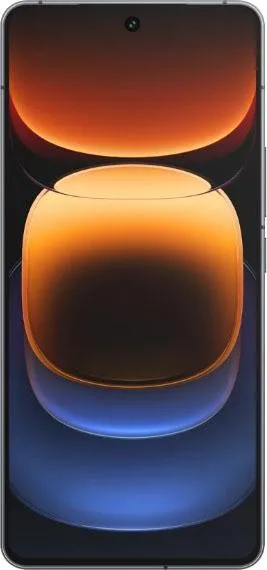
Xiaomi 12T Pro vs. vivo iQOO 12: A Deep Dive for the Discerning Smartphone User
Hello fellow tech enthusiasts! Alex Griffin here, ready to dissect the Xiaomi 12T Pro and the vivo iQOO 12. We'll go beyond the spec sheets to uncover what these phones really offer in terms of daily performance and user experience. Let's get started!
1. Specifications Breakdown
| Feature | Xiaomi 12T Pro | vivo iQOO 12 | Real-World Implications |
|---|---|---|---|
| Design | |||
| Dimensions (mm) | 163.1 x 75.9 x 8.6 | 163.2 x 75.9 x 8.1 | iQOO 12 slightly thinner. Negligible difference in hand feel. |
| Weight (g) | 205 | 198.5 | iQOO 12 marginally lighter. |
| Display | |||
| Size | 6.67" | 6.78" | iQOO 12 offers a slightly larger viewing area. |
| Resolution | 1220 x 2712 | 1260 x 2800 | Both sharp; iQOO 12 slightly sharper due to higher pixel density. |
| Type | AMOLED | LTPO AMOLED | iQOO 12's LTPO panel allows for dynamic refresh rate adjustment, potentially saving battery. |
| Refresh Rate | 120Hz | 144Hz | iQOO 12 boasts smoother scrolling and animations; noticeable in gaming and fast-paced content. |
| Peak Brightness | 900 nits | 3000 nits | iQOO 12 significantly brighter, crucial for outdoor visibility. |
| Performance | |||
| Chipset | Snapdragon 8+ Gen 1 | Snapdragon 8 Gen 3 | iQOO 12 features a newer, more powerful processor, resulting in faster performance. |
| CPU | Octa-core (X2, A710, A510) | Octa-core (X4, A720, A520) | iQOO 12's newer CPU architecture offers improved efficiency and performance. |
| GPU | Adreno 730 | Adreno 750 | iQOO 12's upgraded GPU delivers better gaming and graphics performance. |
| RAM | 8/12GB | 12/16GB | iQOO 12 offers higher RAM configurations for better multitasking. |
| Camera | |||
| Main Sensor | 200MP (Samsung HP1) | 50MP (Omnivision OV50H) | Xiaomi boasts higher resolution; real-world image quality depends on processing. |
| Telephoto | No | 64MP (Omnivision OV64B) | iQOO 12 offers optical zoom for better distant shots. |
| Ultrawide | 8MP | 50MP (Samsung JN1) | iQOO 12's ultrawide offers significantly higher resolution for detailed wide shots. |
| Battery Life | |||
| Capacity | 5000mAh | 5000mAh | Similar battery capacities; actual battery life depends on usage and optimization. |
2. Key Insights
- Performance: The iQOO 12's Snapdragon 8 Gen 3 gives it a clear edge in processing power, making it ideal for demanding tasks and gaming.
- Display: The iQOO 12's LTPO AMOLED display with a 144Hz refresh rate and significantly higher peak brightness provides a superior visual experience.
- Camera: While the Xiaomi 12T Pro boasts a 200MP main sensor, the iQOO 12 offers a more versatile camera system with a dedicated telephoto lens and a high-resolution ultrawide.
- Software: The iQOO 12 ships with a newer version of Android, promising longer software support.
3. User Profiles and Recommendations
- Xiaomi 12T Pro: Best for budget-conscious users who prioritize a high-resolution main camera and solid performance.
- vivo iQOO 12: Ideal for power users, gamers, and those seeking the latest technology with top-tier performance, display, and a versatile camera system.
4. Buying Decision Framework
- What's your budget? The Xiaomi 12T Pro is generally more affordable.
- What are your primary use cases? For gaming and demanding tasks, the iQOO 12 is superior. For casual use and photography focused on the main lens, the 12T Pro might suffice.
- How important is future-proofing? The iQOO 12, with its newer processor and software, offers better longevity.
My Choice: The vivo iQOO 12
While the Xiaomi 12T Pro offers impressive value, I'd choose the vivo iQOO 12. The superior processor, stunning display with a 144Hz refresh rate and incredible peak brightness, versatile camera system, and newer software make it a more compelling package for my needs. I value future-proofing and a top-tier user experience, and the iQOO 12 delivers on both fronts. The price difference is justifiable for the significant jump in performance and features. I appreciate the inclusion of a dedicated telephoto lens, a feature I find myself using frequently. The iQOO 12 feels like a more complete flagship experience.
