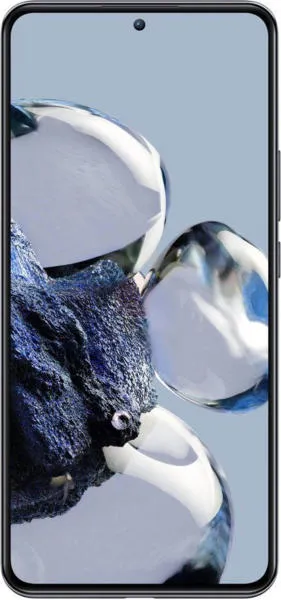
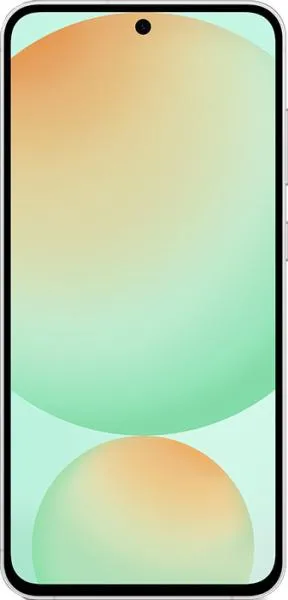
Xiaomi 12T Pro vs. Samsung Galaxy S24 FE: A Deep Dive
Let's dissect the Xiaomi 12T Pro and the Samsung Galaxy S24 FE, two compelling contenders in the mid-range smartphone arena. We'll go beyond the spec sheets to uncover what these numbers really mean for you.
1. Specifications Breakdown
| Feature | Xiaomi 12T Pro | Samsung Galaxy S24 FE | Real-World Implications |
|---|---|---|---|
| Design | |||
| Dimensions (mm) | 163.1 x 75.9 x 8.6 | 162 x 77.3 x 8 | S24 FE slightly narrower, thinner. Negligible difference in hand feel. |
| Weight (g) | 205 | 213 | S24 FE slightly heavier, but unlikely to be noticeable in daily use. |
| Display | |||
| Size (inches) | 6.67 | 6.7 | Virtually identical screen real estate. |
| Resolution (px) | 1220 x 2712 | 1080 x 2340 | 12T Pro sharper due to higher pixel density; noticeable in fine details. |
| Refresh Rate (Hz) | 120 | 120 | Both offer smooth scrolling and animations. |
| Peak Brightness | 900 nits (typ), 1200 nits (peak) | 1900 nits (peak) | S24 FE significantly brighter outdoors. |
| Performance | |||
| Chipset | Snapdragon 8+ Gen 1 | Exynos 2400e | 8+ Gen 1 generally considered more powerful, especially in sustained tasks. |
| CPU | Octa-core (up to 3.19 GHz) | 10-core (up to 3.1 GHz) | Core configuration differs; real-world performance depends on optimization. |
| GPU | Adreno 730 | Xclipse 940 | Adreno 730 has a proven track record; Xclipse 940 performance is yet to be fully tested in real-world scenarios. |
| RAM (GB) | 8/12 | 8 | 12GB option on 12T Pro offers better multitasking for power users. |
| Camera | |||
| Main Sensor (MP) | 200 | 50 | 12T Pro boasts higher resolution; S24 FE uses a larger sensor (GN3) potentially offering better low-light performance. |
| Ultrawide (MP) | 8 | 13 | S24 FE has a slightly higher resolution ultrawide. |
| Telephoto (MP) | N/A | 8 | S24 FE offers optical zoom, a significant advantage for versatility. |
| Battery Life | |||
| Capacity (mAh) | 5000 | 4700 | 12T Pro has a larger battery, potentially translating to longer usage time. |
| Charging | 120W HyperCharge | No details given | 12T Pro's exceptionally fast charging is a standout feature. |
2. Key Insights
- Performance: The 12T Pro, with its Snapdragon 8+ Gen 1, likely holds an edge in raw processing power, especially for demanding tasks like gaming and video editing. The Exynos 2400e in the S24 FE is newer but its real-world performance remains to be seen.
- Camera: The 12T Pro's massive 200MP sensor grabs headlines, but the S24 FE's 50MP GN3 sensor with a larger physical size could deliver superior image quality, particularly in low light. The S24 FE's dedicated telephoto lens adds crucial versatility.
- Display: Both offer vibrant AMOLED displays with 120Hz refresh rates. However, the S24 FE's significantly higher peak brightness makes it a clear winner for outdoor visibility. The 12T Pro offers a sharper display due to its higher resolution.
- Battery: While the 12T Pro has a slightly larger battery, the S24 FE's efficiency could level the playing field. The 12T Pro's 120W fast charging is a game-changer, delivering incredibly quick top-ups.
3. User Profiles and Recommendations
- Xiaomi 12T Pro: Ideal for power users, gamers, and those prioritizing raw performance and incredibly fast charging. Its sharper display will also appeal to those who value clarity and detail.
- Samsung Galaxy S24 FE: Best suited for users who value a bright display for outdoor use, a versatile camera system with optical zoom, and the latest Android experience.
4. Buying Decision Framework
- What are your performance needs? Heavy gaming or demanding tasks? Lean towards the 12T Pro. General use and multitasking? The S24 FE will likely suffice.
- Is camera versatility important? If optical zoom and potentially better low-light performance are priorities, the S24 FE is the better choice. If you prioritize resolution, the 12T Pro's 200MP sensor might appeal.
- How important is fast charging? The 12T Pro's 120W charging is unmatched. If quick top-ups are crucial, it's the clear winner.
My Choice: Samsung Galaxy S24 FE
While the Xiaomi 12T Pro boasts impressive specs on paper, the Samsung Galaxy S24 FE aligns better with my priorities. The combination of a bright display, versatile camera system with a telephoto lens, the latest Android OS, and the promise of a more refined overall experience (typical of Samsung's FE line) make it the more compelling device for me. The larger sensor on the main camera, known for better low light performance, also heavily influences my decision. Although I will miss the blazing-fast charging of the 12T Pro, I value the other features more in my daily usage.
