
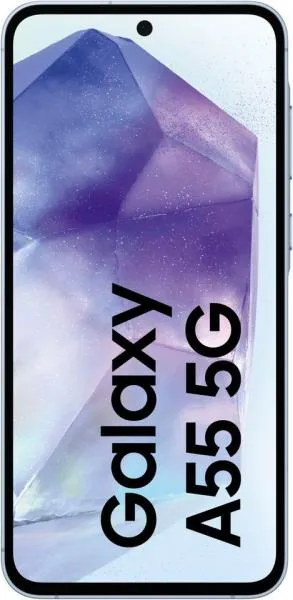
Xiaomi 12T Pro vs. Samsung Galaxy A55: A Deep Dive
Let's dissect the Xiaomi 12T Pro and the Samsung Galaxy A55, two compelling mid-range contenders vying for your attention. We'll go beyond the spec sheets to uncover what these numbers truly mean for your daily life.
1. Specifications Breakdown
| Feature | Xiaomi 12T Pro | Samsung Galaxy A55 | Real-World Implications |
|---|---|---|---|
| Design | |||
| Dimensions (mm) | 163.1 x 75.9 x 8.6 | 161.1 x 77.4 x 8.2 | A55 slightly shorter and thinner; negligible difference in daily use. |
| Weight (g) | 205 | 213 | Both feel substantial in hand; minimal weight difference. |
| Build Materials | Glass front/back | N/A | 12T Pro's glass build generally feels more premium; durability depends on A55's undisclosed material. |
| Display | |||
| Size (inches) | 6.67 | 6.6 | Virtually identical screen real estate. |
| Resolution | 1220 x 2712 | 1080 x 2340 | 12T Pro noticeably sharper due to higher pixel density (446 vs. 403 ppi). Images and text crisper. |
| Type | AMOLED | Super AMOLED | Both offer vibrant colors and deep blacks; Super AMOLED often boasts slightly improved outdoor visibility. |
| Refresh Rate (Hz) | 120 | 120 | Smooth scrolling and animations on both. |
| Performance | |||
| Chipset | Snapdragon 8+ Gen 1 | Exynos 1480 | 12T Pro boasts significantly more powerful CPU and GPU, translating to smoother multitasking and gaming. |
| CPU | Octa-core (1x3.19 GHz Cortex-X2 & 3x2.75 GHz Cortex-A710 & 4x2.0 GHz Cortex-A510) | Octa-core (4x2.75 GHz Cortex-A78 & 4x2.0 GHz Cortex-A55) | 12T Pro's flagship-grade CPU offers superior performance across the board. |
| RAM (GB) | 8/12 | 8/12 | Both offer ample RAM for smooth multitasking; 12GB option provides future-proofing. |
| Camera | |||
| Main Sensor (MP) | 200 | 50 | 12T Pro's massive sensor captures highly detailed images; A55 emphasizes a balanced approach. |
| Video Recording | 8K@24fps | 4K@30fps | 12T Pro offers higher resolution video recording. |
| Battery Life | |||
| Capacity (mAh) | 5000 | 5000 | Similar battery capacities; real-world endurance depends on optimization. |
2. Key Insights
- Performance Powerhouse: The 12T Pro's Snapdragon 8+ Gen 1 decimates the Exynos 1480 in raw power. This translates to a noticeably smoother experience, especially in demanding tasks like gaming and video editing.
- Display Delight: While both phones offer 120Hz AMOLED displays, the 12T Pro's higher resolution provides a tangible sharpness advantage.
- Camera Conundrum: The 12T Pro boasts a 200MP main sensor, promising incredible detail. However, megapixels aren't everything. The A55's 50MP sensor, paired with Sony's IMX906, likely delivers excellent image quality in various conditions. Real-world camera comparisons are crucial here.
- Software and Updates: The A55, being a newer release, ships with Android 14 and promises longer software support, crucial for security and new features. The 12T Pro, while upgradable to Android 14, may reach its end-of-life sooner.
3. User Profiles and Recommendations
- Xiaomi 12T Pro: Ideal for power users, gamers, and those who prioritize raw performance and a stunning display. The high-resolution screen and top-tier chipset deliver a premium experience.
- Samsung Galaxy A55: Suitable for users seeking a well-rounded phone with long-term software support and a reliable camera. A good choice for everyday tasks, social media, and casual photography.
4. Buying Decision Framework
- What are your performance needs? Heavy gamer or multitasker? The 12T Pro is your clear winner.
- How important is software longevity? Prioritize future updates? The A55's longer support cycle makes it a safer bet.
- What's your budget? While both are mid-range, price differences might sway your decision.
My Choice: As Alex Griffin, I would choose the Xiaomi 12T Pro. While the A55 offers respectable features and longer software updates, my workflow demands the raw horsepower and stunning display that the 12T Pro provides. The superior performance for demanding tasks like video editing and mobile gaming, coupled with the sharper screen, outweighs the benefits of the A55 for my specific needs. I'm also comfortable navigating the sometimes less predictable update cycle of Xiaomi devices.
