Xiaomi 12T Pro vs. Samsung Galaxy A25: A Deep Dive
Let's dissect the Xiaomi 12T Pro and Samsung Galaxy A25, two compelling mid-range contenders, and see how they stack up against each other.
1. Specifications Breakdown
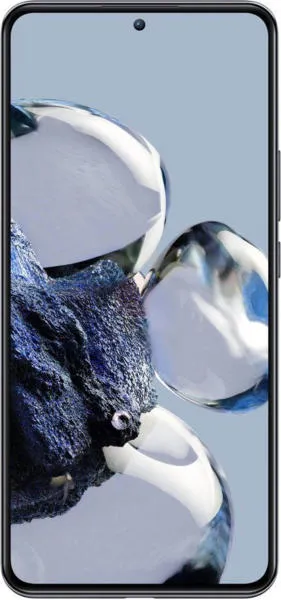
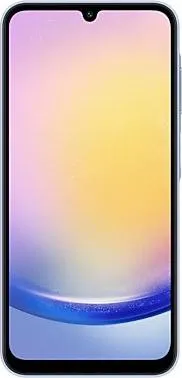
| Feature | Xiaomi 12T Pro | Samsung Galaxy A25 | Real-World Implications |
|---|---|---|---|
| Design | |||
| Dimensions (mm) | 163.1 x 75.9 x 8.6 | 161 x 76.5 x 8.3 | A25 slightly smaller, potentially better for one-handed use |
| Weight (g) | 205 | 197 | Negligible difference in weight |
| Display | |||
| Size (inches) | 6.67 | 6.5 | 12T Pro offers a larger viewing area |
| Resolution | 1220 x 2712 | 1080 x 2340 | Sharper, more detailed visuals on the 12T Pro |
| Refresh Rate (Hz) | 120 | 120 | Both offer smooth scrolling and animations |
| Display Type | AMOLED, Dolby Vision, HDR10+ | Super AMOLED | 12T Pro supports wider HDR formats for richer visuals in compatible content |
| Peak Brightness | 900 nits (typical), 1200 nits (peak) | 1000 nits (HBM) | 12T Pro likely brighter in direct sunlight, enhancing outdoor visibility |
| Performance | |||
| Chipset | Snapdragon 8+ Gen 1 | Exynos 1280 | Significant performance advantage for the 12T Pro in demanding tasks and gaming |
| CPU | Octa-core (1x3.19 GHz X2 & 3x2.75 GHz A710 & 4x2.0 GHz A510) | Octa-core (2x2.4 GHz A78 & 6x2.0 GHz A55) | 12T Pro's superior CPU architecture delivers faster processing speeds |
| GPU | Adreno 730 | Mali-G68 | 12T Pro offers a more powerful GPU for smoother gaming and graphics-intensive applications |
| RAM | 8/12GB | 6/8GB | More RAM in the 12T Pro enables better multitasking and app performance |
| Camera | |||
| Main Camera (MP) | 200 | 50 | Much higher resolution on the 12T Pro, potentially capturing more detail |
| Video Recording | 8K@24fps | 4K@30fps | 12T Pro capable of recording significantly higher resolution video |
| DXOMark Score | 129 | 92 | Substantially higher camera quality on the 12T Pro according to DXOMark's benchmarks |
| Battery Life | |||
| Capacity (mAh) | 5000 | 5000 | Similar battery capacity |
| Charging | 120W HyperCharge | Unspecified (likely 15-25W) | Dramatically faster charging on the 12T Pro, minimizing downtime |
2. Key Insights
The Xiaomi 12T Pro clearly boasts superior performance with its flagship-level Snapdragon 8+ Gen 1 processor, outclassing the Galaxy A25's Exynos 1280. This translates to a noticeably smoother experience in demanding applications, gaming, and multitasking. The 12T Pro also shines with its impressive 200MP camera, promising significantly greater detail and higher resolution video recording compared to the A25's 50MP sensor. The 12T Pro's display, while marginally larger, also supports Dolby Vision and HDR10+ for a superior visual experience. Finally, the 120W HyperCharge capability of the 12T Pro is a game-changer, offering incredibly fast charging speeds.
The Galaxy A25, however, holds its own in areas like display refresh rate (both are 120Hz) and battery capacity (both have 5000mAh batteries). It also comes in at a lower price point, making it a potentially more budget-friendly option.
3. User Profiles and Recommendations
- Xiaomi 12T Pro: Power users, gamers, photography enthusiasts, content creators, anyone who prioritizes top-tier performance and a premium camera experience.
- Samsung Galaxy A25: Budget-conscious users, casual gamers, social media users, those who prioritize battery life and a smooth display over raw processing power.
4. Buying Decision Framework
- What is your budget? The 12T Pro commands a higher price due to its superior specs.
- What are your primary use cases? If you need peak performance for gaming or professional tasks, the 12T Pro is essential. For casual use, the A25 is sufficient.
- How important is camera quality? The 12T Pro offers a substantially better camera experience.
My Choice: Xiaomi 12T Pro
While the Samsung Galaxy A25 is a respectable mid-range phone, the Xiaomi 12T Pro is the clear winner for me. As a tech journalist who often pushes devices to their limits, I value the sheer power and speed offered by the Snapdragon 8+ Gen 1. The exceptional camera capabilities are also crucial for capturing high-quality photos and videos for my work. The incredibly fast charging is a huge bonus, ensuring minimal downtime. While the A25 offers a more affordable option, the 12T Pro's significant performance and camera advantages justify the higher price for my needs. I'd happily pay a premium for the significant boost in overall user experience. It's a device that can effortlessly handle demanding tasks, capture stunning visuals, and keep up with my fast-paced lifestyle.
