
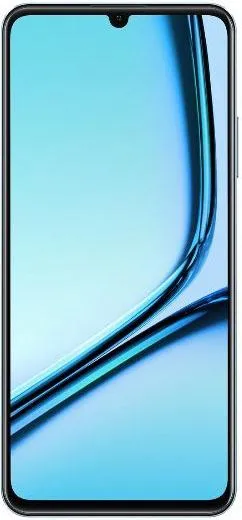
Xiaomi 12T Pro vs. Realme Note 50: A Deep Dive Comparison
Let's dissect the Xiaomi 12T Pro and Realme Note 50, two smartphones targeting different segments of the market. I'll break down their specs, analyze their real-world performance, and guide you toward the phone that best fits your needs.
1. Specifications Breakdown
| Feature | Xiaomi 12T Pro | Realme Note 50 | Real-World Implications |
|---|---|---|---|
| Design | |||
| Dimensions (mm) | 163.1 x 75.9 x 8.6 | 167.2 x 76.7 x 8.0 | 12T Pro is slightly more compact. Note 50 is taller and wider. |
| Weight (g) | 205 | 186 | Note 50 is noticeably lighter, improving one-handed use. |
| Build Materials | Glass, Aluminum | Plastic Frame | 12T Pro feels more premium due to its glass back. Note 50's plastic build may feel less durable |
| Display | |||
| Type | AMOLED | IPS LCD | 12T Pro offers deeper blacks, vibrant colors, and better power efficiency. Note 50's LCD is less impressive in terms of contrast and color accuracy. |
| Size | 6.67" | 6.74" | Note 50 has a slightly larger screen. |
| Resolution | 1220 x 2712 | 720 x 1600 | 12T Pro boasts a significantly sharper display (446 ppi vs. 260 ppi), resulting in crisper text and images. Note 50's display will appear pixelated in comparison |
| Refresh Rate | 120Hz | 90Hz | 12T Pro provides smoother scrolling and animations. While 90Hz is good, 120Hz offers a noticeable jump in fluidity. |
| Performance | |||
| Chipset | Snapdragon 8+ Gen 1 | Unisoc Tiger T612 | 12T Pro's flagship processor delivers significantly faster performance across all tasks, including demanding games and multitasking. Note 50 is meant for basic usage. |
| RAM | 8GB/12GB | 4GB | 12T Pro offers more RAM for smoother multitasking and app switching. Note 50 might struggle with heavy multitasking |
| Storage | 128GB/256GB | 128GB | Both offer ample storage for average users. |
| Camera | |||
| Main Camera | 200MP | 13MP | 12T Pro's 200MP sensor captures significantly more detail. Note 50's 13MP camera is basic and suitable for casual photography. |
| Video Recording | 8K@24fps | 1080p@30fps | 12T Pro offers vastly superior video recording capabilities. |
| Battery Life | |||
| Capacity | 5000mAh | 5000mAh | Similar battery capacities suggest comparable battery life, though real-world usage will depend on software optimization and user habits. 12T Pro's brighter screen may use more power. |
2. Key Insights
- Performance: The Xiaomi 12T Pro is a performance powerhouse thanks to its Snapdragon 8+ Gen 1 chip. The Realme Note 50, with its Unisoc Tiger T612, is designed for essential tasks and light gaming.
- Display: The 12T Pro's AMOLED display with a 120Hz refresh rate delivers a superior visual experience compared to the Note 50's 90Hz IPS LCD.
- Camera: The 12T Pro's 200MP camera system offers significantly better image quality and video recording capabilities. The Note 50's camera is basic and meant for casual use.
- Price: The Realme Note 50 is positioned as a budget-friendly device, while the Xiaomi 12T Pro falls in the mid-range segment, reflecting its more powerful hardware.
3. User Profiles and Recommendations
- Xiaomi 12T Pro: Ideal for power users, gamers, photography enthusiasts, and those who prioritize a premium display and overall performance.
- Realme Note 50: Suitable for users on a tight budget who primarily use their phones for basic tasks like calling, texting, browsing, and social media.
4. Buying Decision Framework
- What is your budget? The Realme Note 50 is significantly cheaper.
- What are your primary phone usage patterns? For demanding tasks, the 12T Pro is essential. For basic use, the Note 50 suffices.
- Do you prioritize display and camera quality? The 12T Pro offers a vastly superior experience in both areas.
My Choice: Xiaomi 12T Pro
If I were choosing between these two, I'd go with the Xiaomi 12T Pro. While it's more expensive, the significant jump in performance, the stunning AMOLED display, and the advanced camera system are compelling. I value a smooth, responsive user experience, high-quality visuals, and the ability to capture detailed photos and videos. The 12T Pro delivers on all fronts, offering a future-proof device that can handle demanding tasks and provide an enjoyable multimedia experience. The Realme Note 50 is a solid budget option, but the compromises in performance and display are too significant for my personal preferences.
