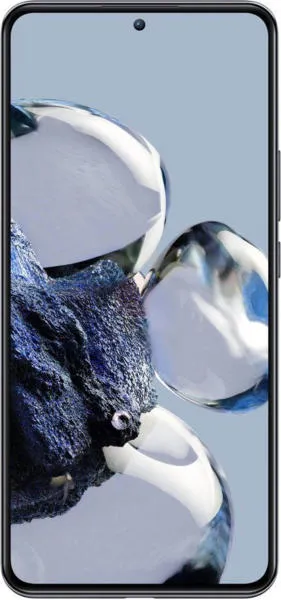
Xiaomi 12T Pro vs. realme 8: A Tech Dive into Practical Performance
Hello, fellow tech explorers! Today, we're dissecting the Xiaomi 12T Pro and the realme 8, two intriguing contenders in the mid-range smartphone arena. Let's cut through the marketing fluff and uncover what these devices really offer in terms of real-world performance.
1. Specifications Breakdown
| Feature | Xiaomi 12T Pro | realme 8 | Real-World Implications |
|---|---|---|---|
| Design | |||
| Dimensions (mm) | 163.1 x 75.9 x 8.6 | 162 x 75.1 x 8.7 | realme 8 slightly shorter, both similar in hand feel. |
| Weight (g) | 205 | 191 | realme 8 noticeably lighter for extended use. |
| Display | |||
| Size (inches) | 6.67 | 6.78 | realme 8 offers slightly larger screen real estate. |
| Resolution (px) | 1220 x 2712 | 1264 x 2780 | Both sharp, realme 8 marginally higher pixel density. |
| Display Type | AMOLED, 120Hz | LTPO AMOLED, 120Hz | Both offer vibrant colors and smooth scrolling, realme 8 potentially with better battery efficiency due to LTPO. |
| Color Depth | 68B | 1B | realme 8 boasts significantly more color detail, noticeable in HDR content. |
| Peak Brightness (nits) | 900 (typical), 1200 (peak) | 1000 (typical), 6000 (peak) | realme 8 has significantly higher peak brightness for improved outdoor visibility. |
| Performance | |||
| Chipset | Snapdragon 8+ Gen 1 | Snapdragon 7+ Gen 3 | 12T Pro with a flagship-level processor, expecting significantly better performance in demanding tasks and gaming. |
| CPU | Octa-core (Cortex-X2, A710, A510) | Octa-core (Cortex-X4, A720, A520) | 12T Pro's CPU architecture likely to offer superior multi-core performance. |
| GPU | Adreno 730 | Adreno 732 | While similar on paper, 12T Pro's GPU likely performs better due to the more powerful overall chip. |
| RAM | 8GB/12GB | 12GB | Both offer ample RAM for multitasking, but 12T Pro offers 8GB option for potentially lower price. |
| Camera | Data incomplete for realme 8 | ||
| Main Camera (MP) | 200 | N/A | 12T Pro boasts a high-resolution sensor. |
| Battery Life | |||
| Capacity (mAh) | 5000 | 5500 | realme 8 offers slightly larger battery. |
2. Key Insights
The Xiaomi 12T Pro shines with its flagship-level Snapdragon 8+ Gen 1 processor, promising blistering performance for demanding tasks, gaming, and content creation. Its 200MP main camera also grabs attention, although real-world image quality depends on factors beyond megapixel count.
The realme 8, despite having a newer release date, boasts a less powerful Snapdragon 7+ Gen 3. However, it compensates with a potentially more power-efficient LTPO AMOLED display with a wider color gamut and significantly brighter peak brightness. Its larger battery also hints at longer endurance. The lack of camera details for the realme 8 hinders a complete comparison.
3. User Profiles and Recommendations
Xiaomi 12T Pro: Power users, gamers, and photography enthusiasts seeking top-tier performance and a high-resolution camera will find the 12T Pro appealing.
realme 8: Users prioritizing battery life, a vibrant display for media consumption, and potentially a more affordable price point might lean towards the realme 8. However, without camera specifics, it's hard to make a definitive recommendation.
4. Buying Decision Framework
- What's your performance priority? If raw power for demanding tasks is crucial, the 12T Pro is the clear winner. If balanced performance with good battery life is sufficient, the realme 8 might be a good fit.
- How important is display quality? The realme 8's LTPO AMOLED with 1B colors and higher peak brightness offers a potential advantage for media consumption.
- What's your budget? While pricing data is incomplete, the realme 8 with a less powerful processor might be positioned at a more accessible price point.
My Choice: As Alex Griffin, I value performance and cutting-edge technology. I would choose the Xiaomi 12T Pro. The Snapdragon 8+ Gen 1 provides a significant performance advantage that, for my workflow, outweighs the realme 8's benefits in display and battery. The 200MP camera, while needing further real-world testing, also intrigues me. However, I eagerly await more details about the realme 8's camera capabilities before making a final verdict. If the realme 8 delivered a competitive camera system, the decision would be much tougher.
