
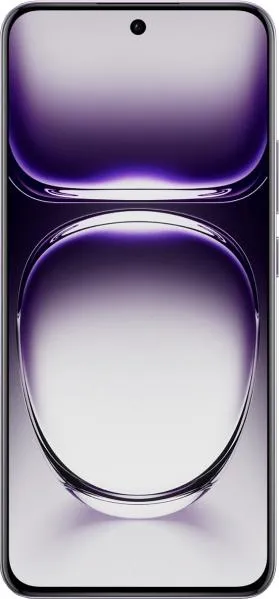
Xiaomi 12T Pro vs. Oppo Reno12 Pro: A Deep Dive for the Discerning Smartphone User
Hello fellow tech enthusiasts! Alex Griffin here, ready to dissect the Xiaomi 12T Pro and the Oppo Reno12 Pro. We'll go beyond the spec sheets to understand what these numbers truly mean for your daily life. Let's get started!
1. Specifications Breakdown
| Feature | Xiaomi 12T Pro | Oppo Reno12 Pro | Real-World Implications |
|---|---|---|---|
| Design | |||
| Dimensions (mm) | 163.1 x 75.9 x 8.6 | 161.5 x 74.8 x 7.4 | Reno12 Pro is noticeably thinner and slightly lighter, making it more pocketable. |
| Weight (g) | 205 | 180 | Lighter weight enhances one-handed use and reduces fatigue. |
| Display | |||
| Size (inches) | 6.67 | 6.7 | Negligible difference in screen real estate. |
| Resolution | 1220 x 2712 | 1080 x 2412 | Xiaomi boasts a sharper display due to higher pixel density, resulting in crisper text and images. Oppo's lower resolution might show slight pixelation. |
| Type | AMOLED | AMOLED | Both offer vibrant colors, deep blacks, and excellent contrast. |
| Refresh Rate (Hz) | 120 | 120 | Both ensure smooth scrolling and fluid animations. |
| Peak Brightness | 900 nits | 1200 nits | Oppo's superior peak brightness provides better visibility in direct sunlight. |
| Performance | |||
| Chipset | Snapdragon 8+ Gen 1 | Dimensity 7300 | Xiaomi's Snapdragon chip offers significantly higher performance for demanding tasks like gaming and video editing. Expect smoother multitasking and faster app launches. |
| CPU | Octa-core (X2, A710, A510) | Octa-core (A78, A55) | Xiaomi's Cortex-X2 core provides a substantial performance boost for single-threaded tasks. |
| RAM | 8GB/12GB | 12GB | While both offer ample RAM for multitasking, Xiaomi offers an 8GB variant for a potentially lower price point. |
| Camera | |||
| Main Sensor | 200MP (Samsung HP1) | 50MP (Sony LYT-600) | Xiaomi's massive sensor offers potentially higher detail and resolution, especially in well-lit conditions. Oppo focuses on a larger sensor size for low-light performance. |
| Video | 8K@24fps | 4K@30fps | Xiaomi supports higher resolution video recording. |
| Battery | |||
| Capacity (mAh) | 5000 | 5000 | Similar battery capacities suggest comparable battery life, but real-world usage will vary. |
2. Key Insights
The Xiaomi 12T Pro is a powerhouse focused on raw performance and cutting-edge camera technology. Its Snapdragon 8+ Gen 1 chip provides a noticeable advantage in speed and responsiveness. The 200MP camera, while potentially overwhelming for casual users, offers incredible detail for enthusiasts.
The Oppo Reno12 Pro prioritizes a sleek design, a bright display, and a more balanced approach to performance. It's no slouch, but its Dimensity chip targets efficiency over peak power. The camera system, while less resolution-focused, aims for versatility and strong low-light capabilities.
3. User Profiles and Recommendations
Xiaomi 12T Pro: Ideal for power users, gamers, and photography enthusiasts who demand top-tier performance and cutting-edge camera technology.
Oppo Reno12 Pro: Suitable for users who value a slim and stylish design, a vibrant display, and all-around solid performance for everyday tasks. A good choice for those prioritizing aesthetics and portability.
4. Buying Decision Framework
- What is your budget? The Xiaomi 12T Pro offers more performance for the dollar.
- What are your primary use cases? Heavy gaming and content creation lean towards Xiaomi; everyday use, social media, and casual photography favor Oppo.
- Do you prioritize absolute performance or a more balanced experience? Xiaomi is the performance king, while Oppo offers a blend of style, features and sufficient performance.
My Choice: Xiaomi 12T Pro
If I were choosing, I'd go with the Xiaomi 12T Pro. While I appreciate the Oppo Reno12 Pro's sleek design, I prioritize performance and a cutting-edge camera. The Snapdragon 8+ Gen 1 is a game-changer for demanding tasks, and the potential of the 200MP camera is too intriguing to ignore. I'm willing to sacrifice a bit of thinness and lightness for the significant performance gains and imaging capabilities. Plus, the Xiaomi often comes at a more competitive price point, making it a compelling value proposition for a tech enthusiast like myself.
