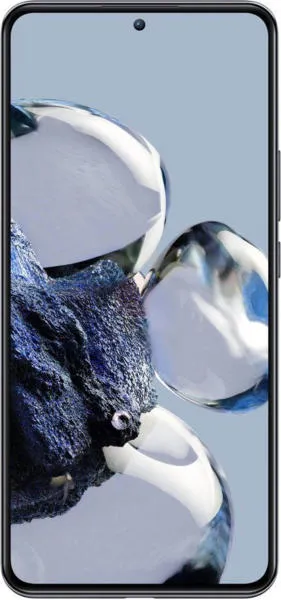
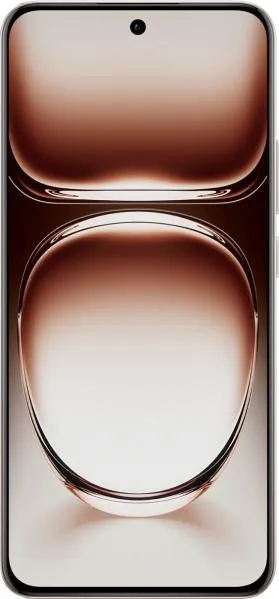
Xiaomi 12T Pro vs. Oppo Reno12: A Deep Dive for the Discerning Smartphone User
Hello, fellow tech explorers! Alex Griffin here, ready to dissect the Xiaomi 12T Pro and the Oppo Reno12. We'll go beyond the spec sheets to uncover what these phones really offer in terms of real-world performance and daily usability. Let's dive in!
1. Specifications Breakdown
| Feature | Xiaomi 12T Pro | Oppo Reno12 | Real-World Implications |
|---|---|---|---|
| Design | |||
| Dimensions (mm) | 163.1 x 75.9 x 8.6 | 161.4 x 74.1 x 7.6 | Reno12 is slightly smaller and thinner, potentially more pocketable. |
| Weight (g) | 205 | 177 | Reno12 is noticeably lighter, reducing hand fatigue during extended use. |
| Display | |||
| Size (inches) | 6.67 | 6.7 | Virtually identical screen real estate. |
| Resolution | 1220 x 2712 | 1080 x 2412 | 12T Pro boasts a sharper display with higher pixel density (446 ppi vs 394 ppi), resulting in crisper text and images. |
| Refresh Rate (Hz) | 120 | 120 | Both offer smooth scrolling and animations. |
| Display Type | AMOLED | AMOLED | Both deliver vibrant colors and deep blacks. However, the Reno12's 1B color depth surpasses the 12T Pro's 68B, offering a wider color gamut and potentially more accurate color reproduction. |
| Peak Brightness (nits) | 900 | 1200 | Reno12 can get significantly brighter, improving outdoor visibility. |
| Performance | |||
| Chipset | Snapdragon 8+ Gen 1 | Dimensity 7300 | 12T Pro's Snapdragon 8+ Gen 1 offers significantly higher performance in demanding tasks like gaming and video editing. |
| CPU | Octa-core (1x3.19 GHz X2 & 3x2.75 GHz A710 & 4x2.0 GHz A510) | Octa-core (4x2.5 GHz A78 & 4x2.0 GHz A55) | 12T Pro's CPU architecture, featuring the powerful Cortex-X2 core, delivers superior single-core and multi-core performance compared to the Reno12. |
| GPU | Adreno 730 | Mali-G615 MC2 | 12T Pro's Adreno 730 significantly outperforms the Mali-G615 in graphics-intensive applications. |
| RAM | 8/12GB | 12GB | Both offer ample RAM for multitasking, but the 12T Pro has a lower RAM configuration available. |
| Camera | |||
| Main Camera (MP) | 200 | 50 | 12T Pro boasts a significantly higher resolution main sensor, potentially capturing more detail. However, megapixel count isn't everything; image quality depends on sensor size, processing, and other factors. |
| Video | 8K@24fps | 4K@30fps | 12T Pro offers 8K video recording, though 4K is sufficient for most users. |
| Battery Life | |||
| Capacity (mAh) | 5000 | 5000 | Both have the same battery capacity, but real-world battery life depends on usage patterns and optimization. |
2. Key Insights
- Performance Powerhouse: The Xiaomi 12T Pro, fueled by the Snapdragon 8+ Gen 1, is a clear winner in performance. This translates to smoother gaming, faster app loading, and effortless multitasking.
- Display Dilemma: Both phones offer excellent AMOLED displays with 120Hz refresh rates. However, the 12T Pro boasts a sharper resolution, while the Reno12 offers a wider color gamut and higher peak brightness.
- Camera Considerations: The 12T Pro's 200MP main camera sensor is impressive on paper, but real-world image quality needs further examination. The Reno12 opts for a more conventional 50MP sensor, likely focusing on overall image quality and processing.
- Lightweight Champion: The Oppo Reno12 is significantly lighter, making it more comfortable for extended use.
3. User Profiles and Recommendations
- Power Users: Gamers, content creators, and those who demand top-tier performance should lean towards the Xiaomi 12T Pro.
- Everyday Users: Individuals prioritizing a lightweight design, excellent battery life, and a vibrant display might prefer the Oppo Reno12. The Reno12 also offers a larger base storage option (512GB) for those who need ample space for photos and videos.
4. Buying Decision Framework
- What is your budget? Both fall in the mid-range, but specific pricing will vary.
- What are your performance needs? Heavy gaming or content creation favors the 12T Pro.
- What do you value most in a phone? Prioritize display sharpness (12T Pro), lightweight design (Reno12), or wider color gamut (Reno12).
My Choice: Xiaomi 12T Pro
While the Oppo Reno12 is a compelling device with its lightweight design and vibrant display, I would choose the Xiaomi 12T Pro. As a tech enthusiast and someone who frequently uses demanding applications, the superior performance offered by the Snapdragon 8+ Gen 1 is crucial. The sharper display is also a significant advantage for me. While the Reno12 has its merits, the 12T Pro's raw power and crisp visuals align better with my usage patterns and preferences. I'm willing to trade off a slightly heavier device for the significant performance gains.
