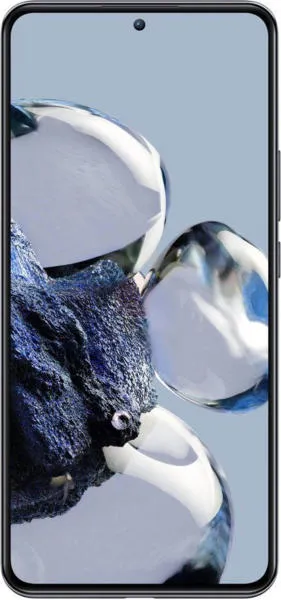
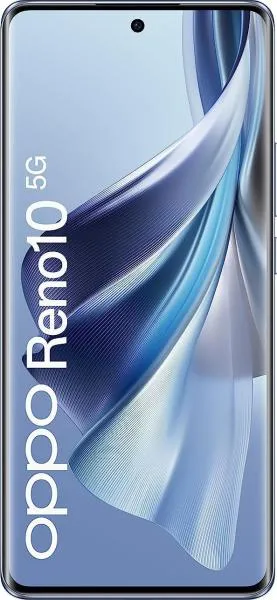
Xiaomi 12T Pro vs. Oppo Reno10: A Comparative Deep Dive
The mid-range smartphone market is fiercely competitive, with devices vying for attention through a blend of performance, features, and affordability. Today, we dissect two contenders: the Xiaomi 12T Pro and the Oppo Reno10. Both promise a compelling user experience, but a closer look at their specifications reveals crucial distinctions that cater to different needs and preferences. Let's dive into a detailed comparison to uncover which phone reigns supreme.
1. Specifications Breakdown
| Feature | Xiaomi 12T Pro | Oppo Reno10 | Real-World Implications |
|---|---|---|---|
| Design | |||
| Dimensions (mm) | 163.1 x 75.9 x 8.6 | 162.4 x 74.2 x 8 | Xiaomi is slightly larger; both are relatively slim and lightweight for their screen sizes. |
| Weight (g) | 205 | 185 | Oppo feels noticeably lighter in hand, enhancing one-handed usability. |
| Display | |||
| Type | AMOLED, 120Hz, Dolby Vision, HDR10+ | AMOLED, 120Hz, HDR10+ | Both offer vibrant colors, smooth scrolling, and excellent HDR support for immersive media consumption. |
| Resolution | 1220 x 2712 (446 ppi) | 1080 x 2412 (394 ppi) | Xiaomi boasts a sharper display due to higher resolution, noticeable in fine text and detailed images. |
| Peak Brightness | 900 nits (typical), 1200 nits (peak) | 950 nits (peak) | Xiaomi's superior peak brightness ensures better visibility outdoors and in bright conditions. |
| Performance | |||
| Chipset | Snapdragon 8+ Gen 1 | MediaTek Dimensity 7050 | Xiaomi significantly outperforms in demanding tasks, gaming, and multitasking due to its flagship-level processor. |
| CPU | Octa-core (up to 3.19 GHz) | Octa-core (up to 2.6 GHz) | Xiaomi's higher clock speeds translate to faster app loading, smoother animations, and superior responsiveness. |
| GPU | Adreno 730 | Mali-G68 MC4 | Xiaomi offers a more powerful GPU, resulting in higher frame rates and improved graphics in games. |
| RAM | 8GB/12GB | 8GB | Both offer sufficient RAM for smooth multitasking, though the 12GB option on Xiaomi provides more headroom for future-proofing. |
| Camera | |||
| Main Sensor | 200MP Samsung HP1 | 64MP Omnivision OV64B | Xiaomi's massive sensor promises exceptional detail and low-light performance; real-world results depend on image processing. |
| Telephoto | None | 32MP Sony IMX709 | Oppo includes a dedicated telephoto lens for optical zoom, lacking in the Xiaomi. |
| Battery Life | |||
| Capacity | 5000 mAh | 5000 mAh | Similar battery capacities suggest comparable endurance, though real-world usage will vary based on optimization. |
2. Key Insights
The Xiaomi 12T Pro is a performance powerhouse, driven by the Snapdragon 8+ Gen 1. It excels in demanding tasks, gaming, and content creation. The 200MP camera sensor is a standout feature, promising incredible detail. However, the lack of a telephoto lens might be a drawback for some users.
The Oppo Reno10, while not as powerful, offers a well-rounded experience with a sleek design, a vibrant AMOLED display, and a versatile camera system including a telephoto lens. It represents a compelling option for users prioritizing a balanced approach over raw performance.
3. User Profiles and Recommendations
Xiaomi 12T Pro: Ideal for power users, gamers, and photography enthusiasts who demand top-tier performance and cutting-edge camera technology.
Oppo Reno10: Suitable for users seeking a stylish, reliable device with a versatile camera system and all-around solid performance for everyday tasks and social media.
4. Buying Decision Framework
Questions to Consider:
- What is your budget? While both are mid-range, the 12T Pro typically sits at a slightly higher price point.
- What are your primary use cases? Gaming, photography, or general everyday use?
- Do you prioritize raw performance or a balanced feature set?
My Choice: Xiaomi 12T Pro
While the Oppo Reno10 presents a compelling package, the Xiaomi 12T Pro's superior performance is the deciding factor for me. As a tech enthusiast, I value a phone that can handle anything I throw at it, from demanding games to resource-intensive applications. The Snapdragon 8+ Gen 1 delivers a noticeably smoother and more responsive experience compared to the Dimensity 7050. While the lack of a dedicated telephoto lens is a minor drawback, the potential of the 200MP main sensor and the overall performance优势 outweigh this for my personal needs. I also appreciate the brighter, sharper display on the 12T Pro for media consumption. Essentially, I prioritize a future-proof powerhouse over a balanced package.
