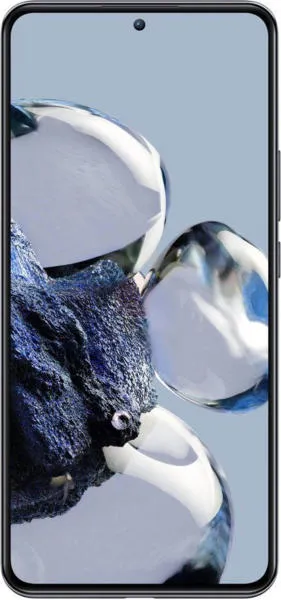
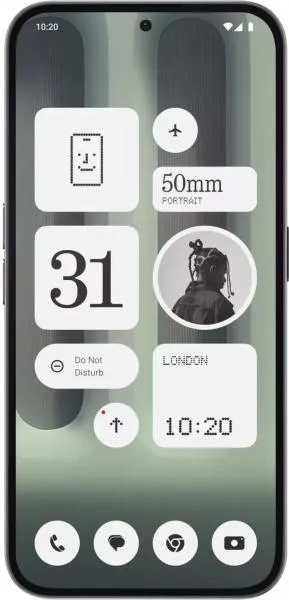
Xiaomi 12T Pro vs. Nothing Phone (2a) Plus: A Deep Dive
Let's dissect these two intriguing contenders in the mid-range smartphone arena, the Xiaomi 12T Pro and the Nothing Phone (2a) Plus. We'll go beyond the spec sheet to uncover what these numbers really mean for you.
1. Specifications Breakdown
| Feature | Xiaomi 12T Pro | Nothing Phone (2a) Plus | Real-World Implications |
|---|---|---|---|
| Design | |||
| Dimensions (mm) | 163.1 x 75.9 x 8.6 | 161.7 x 76.3 x 8.5 | Virtually identical in hand feel. |
| Weight (g) | 205 | 190 | Nothing Phone (2a) Plus is slightly lighter. |
| Build Materials | Glass/Aluminum | Glass/Aluminum | Similar premium feel. |
| Display | |||
| Size (inches) | 6.67 | 6.7 | Negligible difference in screen real estate. |
| Resolution | 1220 x 2712 | 1080 x 2412 | Sharper, more detailed visuals on the 12T Pro. |
| Type | AMOLED | AMOLED | Vibrant colors and deep blacks on both. |
| Refresh Rate | 120Hz | 120Hz | Smooth scrolling and animations on both. |
| Peak Brightness | 1200 nits | 1600 nits | Noticeably brighter outdoors on the Nothing Phone. |
| Performance | |||
| Chipset | Snapdragon 8+ Gen 1 | Dimensity 9000+ | Significant performance advantage for the 12T Pro. |
| CPU | Octa-core (1x3.19 GHz Cortex-X2 & 3x2.75 GHz Cortex-A710 & 4x2.0 GHz Cortex-A510) | Octa-core (4x2.85 GHz Cortex-A710 & 4x1.8 GHz Cortex-A510) | Faster, more responsive performance on the 12T Pro. |
| GPU | Adreno 730 | Mali-G710 MC10 | Smoother gaming and graphics-intensive tasks on the 12T Pro. |
| RAM | 8/12GB | 12GB | Ample memory for multitasking on both, edge to Nothing Phone |
| Camera | |||
| Main Sensor | 200MP (Samsung HP1) | 50MP (Sony IMX890) | Higher resolution on the 12T Pro, but Sony sensor is known for quality. Real-world image comparison needed. |
| Ultrawide | 8MP | 50MP | Significantly wider field of view and higher resolution on the Nothing Phone. |
| Macro | 2MP | N/A | Dedicated macro on the 12T Pro, but quality may be limited. |
| Battery Life | |||
| Capacity | 5000mAh | 5000mAh | Similar battery capacity, real-world usage will determine longevity. |
2. Key Insights
- Performance Powerhouse: The Xiaomi 12T Pro, with its Snapdragon 8+ Gen 1, is the clear winner in raw performance. This translates to smoother gaming, faster app loading, and a more responsive overall experience.
- Display Delight: While both phones boast beautiful AMOLED displays with 120Hz refresh rates, the Nothing Phone (2a) Plus pulls ahead with its superior peak brightness, making it more legible in direct sunlight. The 12T Pro, however, boasts a sharper resolution.
- Camera Conundrum: The 12T Pro boasts a massive 200MP main sensor, but megapixels don't tell the whole story. The Nothing Phone's 50MP Sony IMX890 sensor, combined with its superior 50MP ultrawide, could deliver better overall image quality. Real-world testing is crucial to determine the winner.
3. User Profiles and Recommendations
- Power User: For demanding tasks like gaming, video editing, or heavy multitasking, the Xiaomi 12T Pro's superior performance is essential.
- Everyday User with a Focus on Visuals: The Nothing Phone (2a) Plus, with its vibrant display and potentially strong camera system, caters to users who prioritize multimedia consumption and casual photography.
4. Buying Decision Framework
- What's your performance priority? If speed and responsiveness are paramount, the 12T Pro is your choice.
- How important is outdoor visibility? If you frequently use your phone in bright sunlight, the Nothing Phone's brighter display is a significant advantage.
- What's your budget? Consider the price difference between the two models and weigh it against the features that matter most to you.
My Choice: I would personally lean towards the Xiaomi 12T Pro. While the Nothing Phone (2a) Plus has a tempting display and a compelling camera setup on paper, I prioritize raw performance and a lag-free experience above all else. The Snapdragon 8+ Gen 1's significant advantage in processing power, coupled with the sharper display, makes the 12T Pro the more compelling device for my needs. I'm willing to compromise slightly on peak brightness for the noticeable boost in overall speed and responsiveness. However, I'd eagerly await real-world camera comparisons to solidify my decision.
