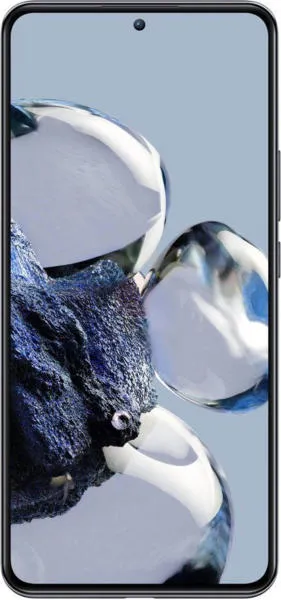
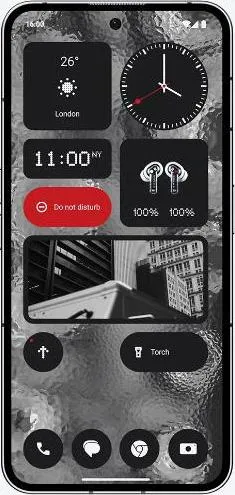
Xiaomi 12T Pro vs. Nothing Phone (2): A Deep Dive
Let's dissect the Xiaomi 12T Pro and the Nothing Phone (2), two compelling contenders in the mid-range smartphone arena. We'll go beyond the spec sheets to uncover what these numbers truly mean for your daily life.
1. Specifications Breakdown
| Feature | Xiaomi 12T Pro | Nothing Phone (2) | Real-World Implications |
|---|---|---|---|
| Design | |||
| Dimensions (mm) | 163.1 x 75.9 x 8.6 | 162.1 x 76.4 x 8.6 | Virtually identical in size; pocketability should be similar. |
| Weight (g) | 205 | 201.2 | Negligible difference in weight; both feel substantial in hand. |
| Build Materials | Glass front, aluminum frame | Glass front/back, aluminum frame | Nothing Phone (2)'s glass back might be more prone to scratches but offers a more premium feel. Xiaomi's plastic back is arguably more durable. |
| Display | |||
| Size (inches) | 6.67 | 6.7 | Both offer large, immersive displays suitable for media consumption and gaming. |
| Resolution | 1220 x 2712 | 1080 x 2412 | Xiaomi boasts a sharper display (446 ppi vs. 394 ppi), resulting in crisper text and images. However, the difference might not be noticeable to all. |
| Refresh Rate | 120Hz | 120Hz | Both offer smooth scrolling and fluid animations. Nothing Phone (2) utilizes LTPO for more granular refresh rate control, potentially saving battery. |
| Display Type | AMOLED | LTPO OLED | Both offer vibrant colors and deep blacks. LTPO allows for dynamic refresh rate adjustment, potentially improving battery life on the Nothing Phone (2). |
| Peak Brightness | 900 nits (typ), 1200 nits (peak) | 1600 nits (peak) | Nothing Phone (2) gets significantly brighter, ensuring better visibility outdoors. |
| Performance | |||
| Chipset | Snapdragon 8+ Gen 1 | Snapdragon 8+ Gen 1 | Identical chipsets promise flagship-level performance on both devices. Clock speeds vary slightly, but real-world difference should be minimal. |
| CPU | Octa-core (up to 3.19 GHz) | Octa-core (up to 3.0 GHz) | Xiaomi has a slight edge in CPU clock speed but in practice, performance will be very similar. |
| GPU | Adreno 730 | Adreno 730 | Same GPU ensures comparable gaming capabilities. |
| RAM | 8GB/12GB | 8GB/12GB | Both offer ample RAM for multitasking. |
| Camera | |||
| Main Sensor | 200MP Samsung HP1 | 50MP Sony IMX890 | Xiaomi's massive sensor aims for detail, while Nothing Phone (2) focuses on a balanced approach. Real-world image quality will depend on processing. |
| Ultrawide | 8MP | 50MP | Nothing Phone (2) has a significantly better ultrawide sensor. |
| Battery Life | |||
| Capacity | 5000 mAh | 4700 mAh | Xiaomi has a larger battery, potentially offering longer usage time. However, Nothing Phone (2)'s LTPO display might offset this difference. |
2. Key Insights
- Performance Parity: Both phones pack the same powerful Snapdragon 8+ Gen 1 processor, ensuring smooth performance for demanding tasks and gaming.
- Display Dilemma: The Xiaomi 12T Pro boasts a sharper display, while the Nothing Phone (2) offers a higher peak brightness and more efficient LTPO technology.
- Camera Clash: Xiaomi emphasizes megapixels with its 200MP main sensor, but real-world image quality will hinge on processing. Nothing Phone (2) takes a more balanced approach with a focus on its dual 50MP sensors for versatility.
- Battery Battle: Xiaomi's larger battery suggests longer endurance, but Nothing Phone (2)'s LTPO display could level the playing field. Real-world battery life will depend on usage patterns.
3. User Profiles and Recommendations
- Xiaomi 12T Pro: Best for users prioritizing a sharp display, potentially longer battery life, and a high-megapixel main camera. Ideal for media consumption, mobile gaming, and users who capture a lot of photos.
- Nothing Phone (2): Suitable for those who value a bright, outdoor-friendly display, a more versatile camera system including a good ultrawide lens, and a unique design with the Glyph Interface. A good choice for content creators and users who prioritize software updates.
4. Buying Decision Framework
- Are you a stickler for screen sharpness or outdoor visibility? Xiaomi wins on sharpness, Nothing Phone (2) on brightness.
- Do you prioritize a high-resolution main camera or a more versatile setup? Xiaomi offers a high megapixel count; Nothing Phone (2) focuses on balanced performance across lenses.
- How important is software support and unique features? Nothing Phone (2) promises longer OS updates and boasts the distinctive Glyph Interface.
My Choice: The Nothing Phone (2)
While the Xiaomi 12T Pro offers a compelling package, I'd choose the Nothing Phone (2). The combination of its unique design, versatile camera system with a superior ultrawide lens, bright LTPO display, and longer software support makes it a more compelling option for me. I value the refined user experience and the promise of future updates, making the Nothing Phone (2) a more future-proof investment in my opinion. While benchmark numbers might slightly favor the 12T Pro, the Nothing Phone (2) offers a more well-rounded package that aligns with my priorities. The Glyph Interface, while perhaps gimmicky to some, adds a layer of personality and functionality I find appealing.
