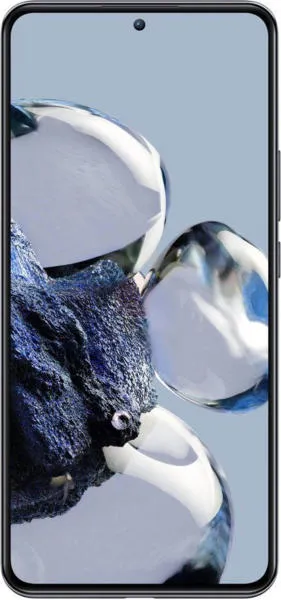
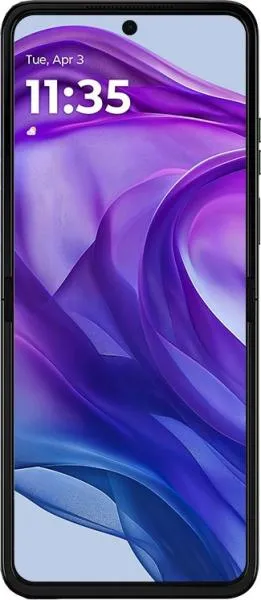
Xiaomi 12T Pro vs. Motorola Razr 50 Ultra: A Deep Dive
The smartphone landscape is constantly evolving, offering a diverse range of devices to cater to various needs and preferences. Today, we'll dissect two compelling contenders: the Xiaomi 12T Pro, a powerhouse focused on performance and value, and the Motorola Razr 50 Ultra, a foldable flagship pushing the boundaries of design.
1. Specifications Breakdown
| Feature | Xiaomi 12T Pro | Motorola Razr 50 Ultra | Real-World Implications |
|---|---|---|---|
| Design | |||
| Dimensions (mm) | 163.1 x 75.9 x 8.6 | 171.4 x 74 x 7.1 (Unfolded) | Razr 50 Ultra is significantly more compact when folded. |
| Weight (g) | 205 | 189 | Razr 50 Ultra is noticeably lighter. |
| Foldable | No | Yes | Razr 50 Ultra offers unique portability and a secondary display. |
| Display | |||
| Size (inches) | 6.67 | 6.9 (Main), 3.6 (Cover) | Razr 50 Ultra boasts a larger main display and a usable cover display. |
| Type | AMOLED | Foldable LTPO AMOLED | Razr's foldable display enables new form factors and use cases. |
| Refresh Rate (Hz) | 120 | 165 | Smoother animations and scrolling on the Razr 50 Ultra. |
| Resolution (px) | 1220 x 2712 | 1080 x 2640 | Sharper image on the 12T Pro due to higher pixel density. |
| Performance | |||
| Chipset | Snapdragon 8+ Gen 1 | Snapdragon 8s Gen 3 | Razr 50 Ultra has a slightly newer, more efficient processor. |
| RAM (GB) | 8/12 | 12 | More RAM on Razr 50 Ultra enables better multitasking. |
| Camera | |||
| Main Camera (MP) | 200 | 50 | Xiaomi emphasizes high resolution; Motorola focuses on sensor quality. |
| Selfie Camera (MP) | 20 | 32 | Higher resolution selfie camera on the Razr 50 Ultra. |
| Battery Life | |||
| Capacity (mAh) | 5000 | 4000 | Larger battery capacity on the 12T Pro suggests longer battery life. |
2. Key Insights
The Xiaomi 12T Pro excels in raw performance and value. Its Snapdragon 8+ Gen 1, coupled with ample RAM, delivers a blazing-fast experience. The 200MP camera, while potentially overkill for some, offers incredible detail for enthusiasts. The larger battery promises extended usage without frequent recharges.
The Motorola Razr 50 Ultra shines in innovation and portability. Its foldable design is a conversation starter and provides a unique user experience. The larger cover display is genuinely useful for quick interactions. The newer Snapdragon 8s Gen 3 offers potential efficiency gains, though real-world performance differences might be subtle.
3. User Profiles and Recommendations
Xiaomi 12T Pro: Ideal for power users, gamers, and photography enthusiasts who prioritize performance, battery life, and a large, high-resolution display. Its competitive price point makes it a compelling value proposition.
Motorola Razr 50 Ultra: Perfect for trendsetters, early adopters, and those who value portability and a unique design. The foldable form factor and functional cover display cater to a specific niche.
4. Buying Decision Framework
- Do you prioritize cutting-edge design and portability above all else? If yes, the Razr 50 Ultra is your choice.
- Is raw performance, a long-lasting battery, and a traditional smartphone experience more important? The 12T Pro delivers on these fronts.
- What's your budget? The Razr 50 Ultra commands a premium for its foldable technology. The 12T Pro offers excellent value.
My Choice: The Xiaomi 12T Pro
While the Razr 50 Ultra's foldable design is undeniably cool, the Xiaomi 12T Pro aligns better with my needs and priorities. As a tech journalist, I demand consistent performance, long battery life, and a fantastic display for consuming content and reviewing media. The 12T Pro's superior battery capacity, higher resolution display, and powerful processor, combined with its more affordable price, make it the clear winner for me. While I appreciate the innovation of the Razr, the practical benefits of the 12T Pro outweigh the novelty factor of a foldable phone for my daily workflow.
